

Ever noticed how in most organizations the leaders rarely join workshops and training events. They will sit at the back, doing their email. That signals to the team that they do not need to learn all this, but they are joining the workshop just to encourage the team. This is patronizing and tells the participants, the new ideas will not be implemented because the leaders have not accepted their own need to learn and accept new ideas.Even now, in most organizations, the learning opportunities are segmented by hierarchy rather than learning needs. The seniors feel embarrassed to attend the same workshop that their team members are attending. It’s a sign of an antiquated mindset when leaders project themselves to be “beyond learning”. They will not be the role models employees need to stay curious and humble — two qualities that help a person to learn.

"68% employees want to learn at the workplace. They can learn at their own pace and they also want to learn what they can put to use in solving a workplace problem. In a world where skills take time to learn and yet keep becoming obsolete, the talent developers have to balance the needs for today and future. The organizations survival depends on that." Soft skill development is done better by face to face interactions - not on devices. Soft skills need other human beings to be learned. So don't expect changes by putting all employees through some e-learning course or stuff taught through a device.

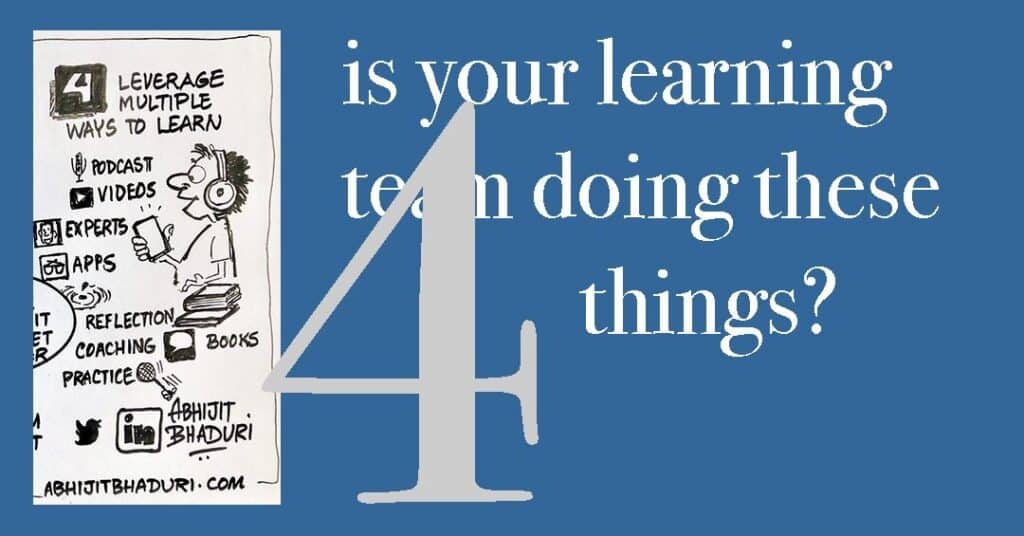
Formal training is like the conducted tour of a city you can take. Informal learning is like the experience of sauntering around a city’s by-lanes exploring, stopping to talk to strangers and sampling what strikes your fancy. L&D teams can do both. They do not have to choose.

If you want to be an Algorithm Mechanic for a bank, who will tweak the logic behind algorithms, you will need “skills in risk management, service design, and financial literacy, rather than technological proficiency.” Problems are becoming too complex to be solved by one individual or one discipline. That may provide a clue to what can trigger "hot streaks" in any career - especially in a world of algorithms.

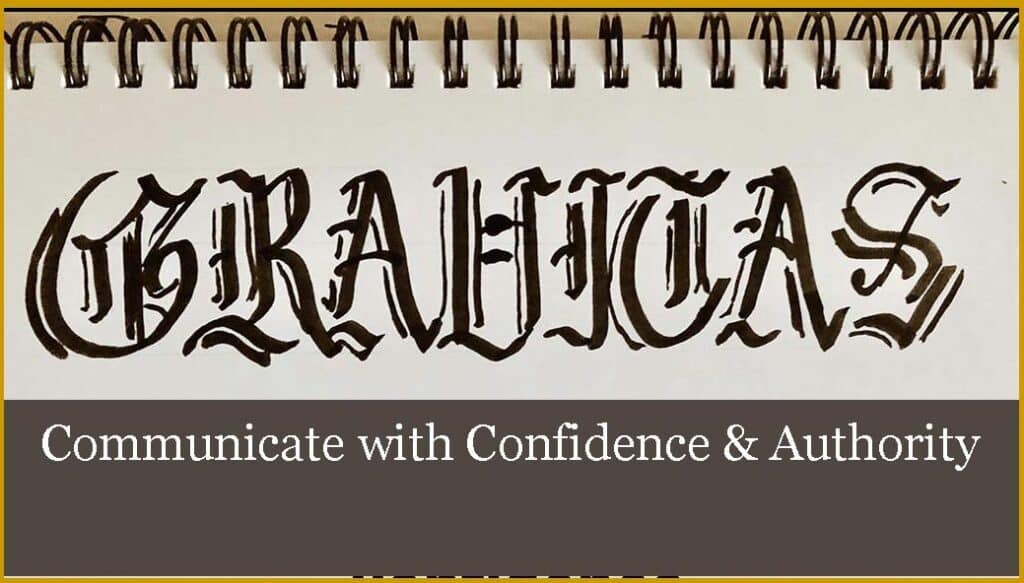
Gravitas was one of the virtues that "Romans of good character were expected to exemplify and pass on through the generations." Gravitas came from the word gravity and was used to mean a sense of the importance of the matter at hand; responsibility, and being earnest. Firms coach senior leaders in building their executive presence. Gravitas is an important element of Executive Presence. Can it be learned? ...
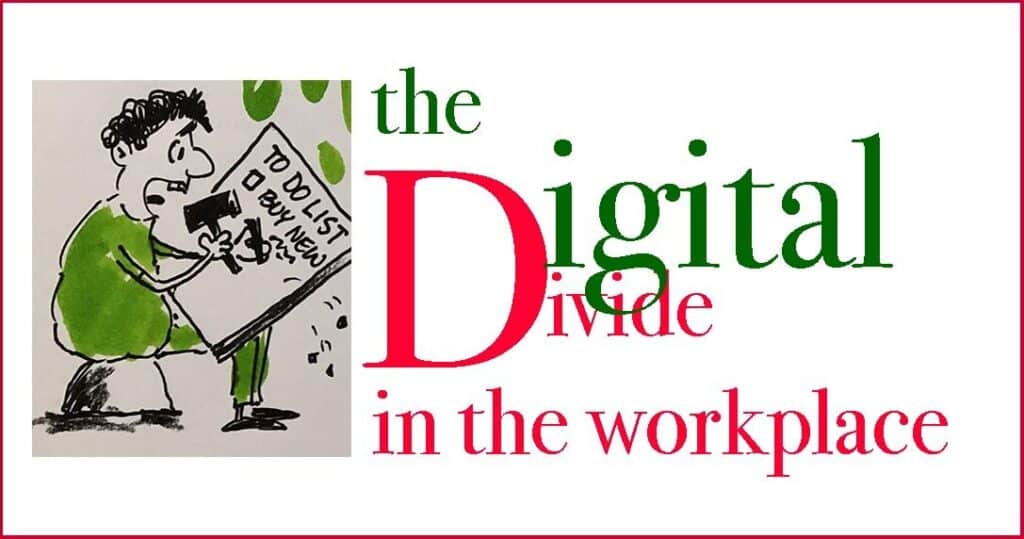
As the workers get more connected in their life outside the organization, they get used to better apps, faster connectivity and delightful experience. Most of the apps where the people spend time like Facebook, Instagram, Snapchat etc have been designed by the best User Experience designers of the world. Coming into the workplace can feel like a serious downgrade...
Creating low end jobs is not going to be sustainable. Machines will outperform us every time. It may be hard to build the capability at scale to build techies with deep expertise in Artificial Intelligence. As machines take over from humans, all that is left is creativity and the ability to manage human relationships. That is what India excels at. Instead, India needs to leverage the strengths that it has. It is a culture where relations matter. This is not to take away from the need to build deep tech skills, but to supplement it with something that we may have an advantage in. How do we handle the impact of the 3 factors? Read on...
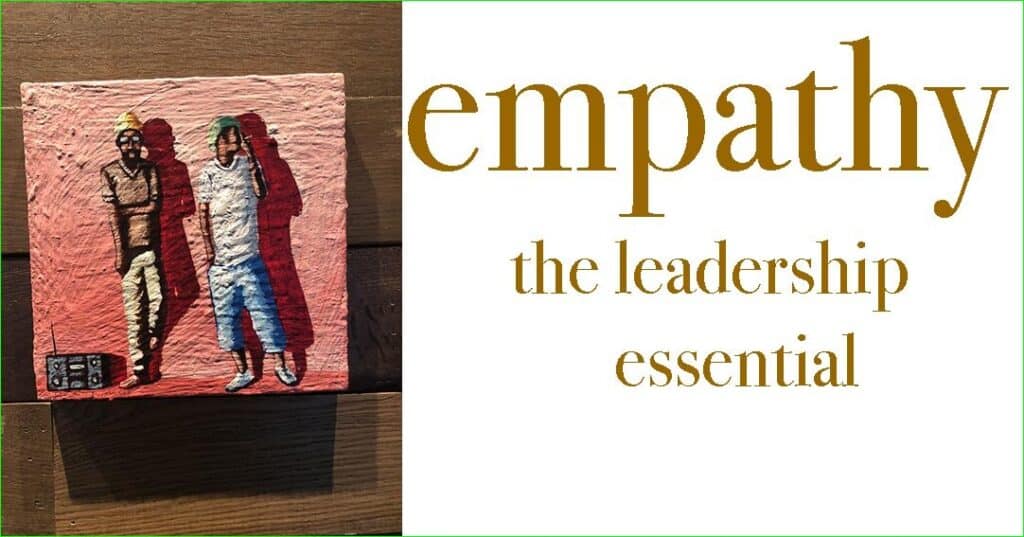
A few weeks ago, the McKinsey Global Institute released a report on skill shift, automation and the future of the workforce. They spoke about the major reskilling challenge that lies ahead. The strongest growth in demand will be for technological skills. The next big surge will be for social and emotional skills such as leadership and managing others. In the technology-charged world of work, empathy is the leadership essential...


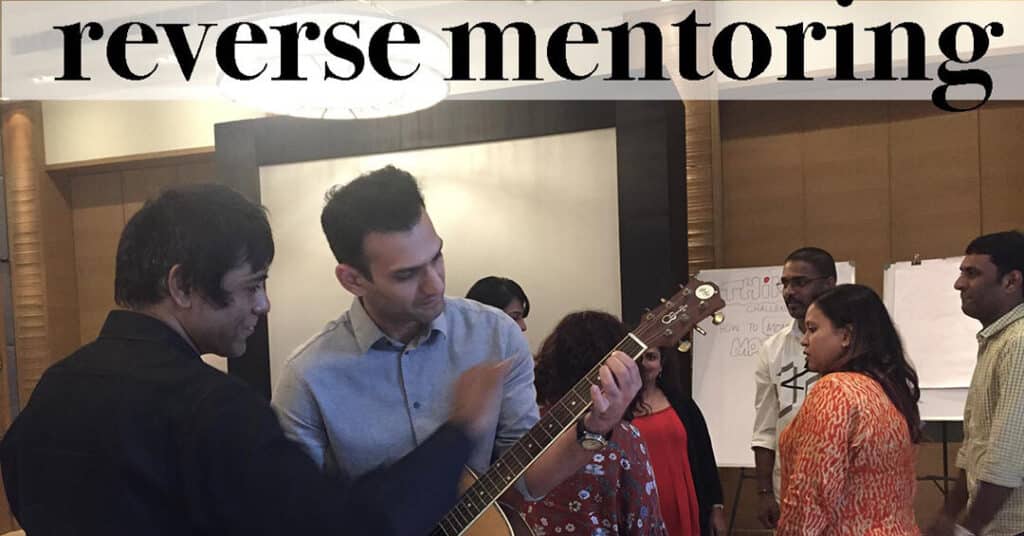
Have you tried reverse mentoring? Learning from someone younger in age and experience. I have. I learn from a 12 year old. There is something new to learn every day. I met him when he was three. I was not too sure if I should hang around with a three year old. But I did ...