I have picked 4 ideas that I liked to read less and still be better informed. My top pick:CONSUME LESS BUT BETTER DATA - I have exited almost all the WhatsApp groups & stopped reading or responding to anyone who forwards junk. It takes away your time and mind space.
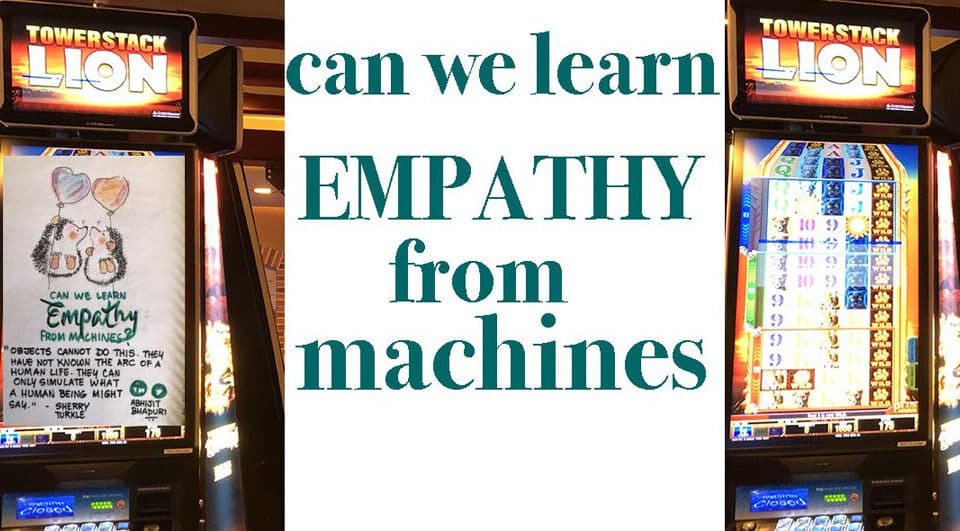
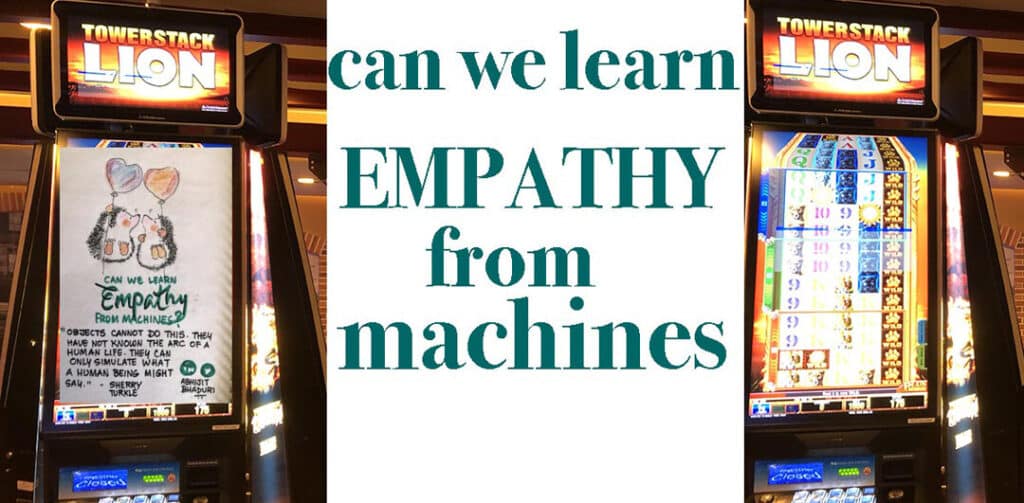
"With people, things go best if you pay close attention and know how to put yourself in someone else’s shoes. Real people demand responses to what they are feeling in that moment. And not just any response." Read more ...
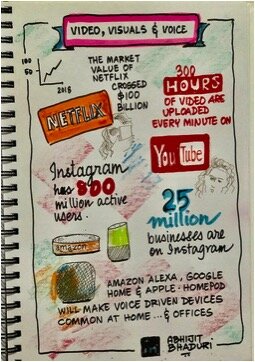
Imagine being able to ask your voice assistant to find out if there are jobs you should apply to. Better still, “Tell me a job that I will be good at.” Or “Will I be successful as a sales manager at xxx company?” Your voice assistant could scan the internet and tell you if a certain online course is being offered for free or at a discounted price.
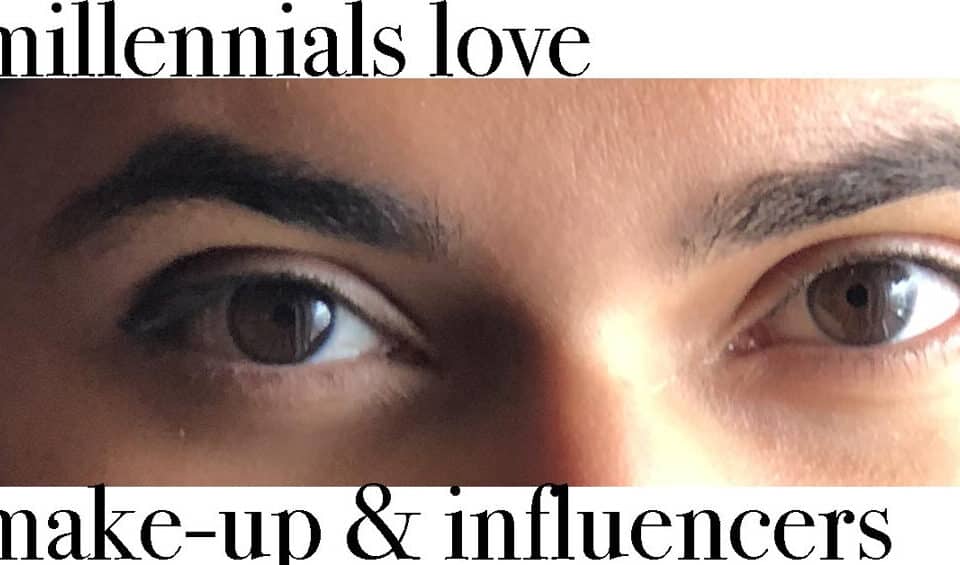
The media consuming habits of millennials is heavily tilted in favor of visual communication - but not every form of visuals matter. #Millennials get bored watching a 30 second commercial but can spend hours on YouTube video tutorials for make up. They spend hours on Instagram. Learning to communicate on Instagram (it has a different grammar, trust me) will be useful.
We filter all the feedback we receive. We filter it based on what we believe is the motive of the person giving feedback. Feedback from a loved one or a trusted person impacts us disproportionately. Even a stranger’s feedback can have sharp impact when we know that the person giving the feedback has no axe to grind.When people receive 360-degree feedback (much of which is anonymous), we spend time figuring out who could have said what. That is just human nature. It helps us put the feedback in context. Anonymous feedback does not drive change in individuals. It works for organisations. But that is not Sarahah’s target audience. It is aimed at colleagues and friends
The podcast explores more provocative questions. With all the data that we are giving freely to Facebook and Amazon etc, one day they will be able to predict our tastes better than loved ones and maybe even better than what we can. What happens then?We have to look at the issue of job losses not from one country's perspective but from multiple perspectives. If the technology developed in say US, leads to job losses of factory in Bangladesh, who should compensate whom and by how much? Who will determine the level of compensation? How will AI impact the way schools are designed and structured? And of course, what happens when techno-religions gather more followers?
Mastery is an endless pathway that you can use to stay motivated regardless of the work you do. A barista could build further expertise by learning about different recipes of coffee. Or about the rituals around coffee in different parts of the world. And become a storyteller who tells a new story involving coffee to a customer. Maybe you could have storytelling sessions about all the interesting people who love coffee. The day you can discover that the opportunities for mastery in your field, whatever that might be, is really endless, you will stop dreading the beginning of the work week.
Women’s Day is an opportunity to think about how to make conscious choices to build a more inclusive workplace. That means we should look at policies that allow for flexibility in when, where, and how work is done. Today technology enables us to dis-aggregate work and distribute it across the world to anyone who is capable of doing it. Progressive organizations are rethinking not only maternity benefits but also recraft their parental leave policies.