What makes someone an effective hire boils down to three characteristics. Do they have the knowledge to do the job? Are they motivated to work hard (on their own)? Do they have social skills that will make it easy for them to work with others?
Eshna Kutty woke up one morning in September to learn that the world was looking for her. This is the video that had crashed the Net. I spoke to her to understand what made her suddenly hit the spotlight. This 'overnight sensation' has been preparing for this moment for the past ten years.
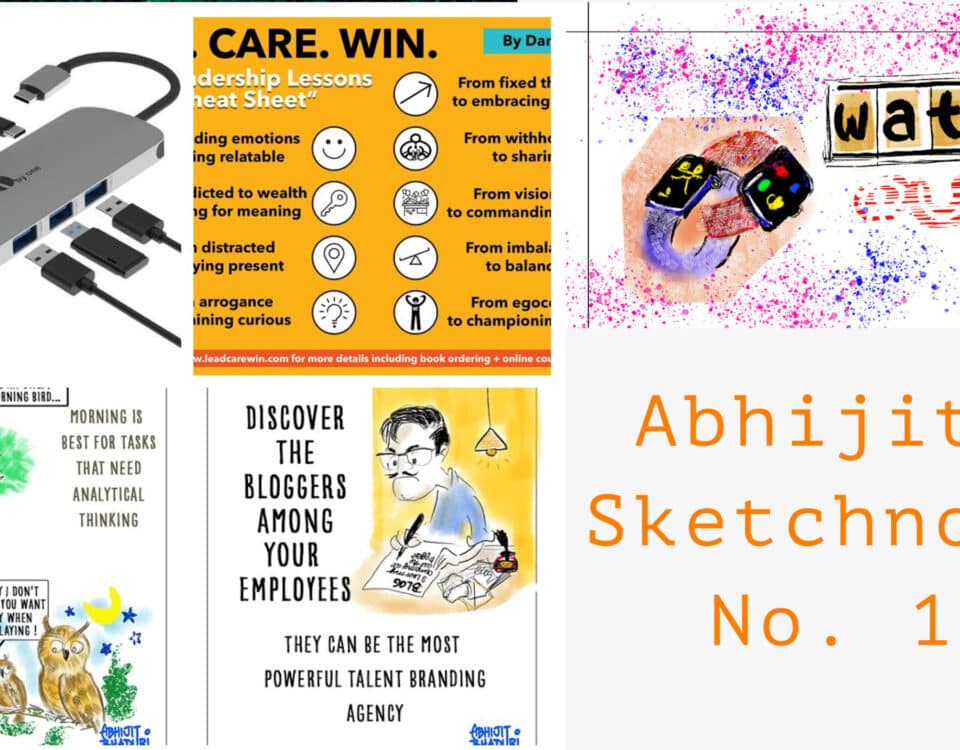
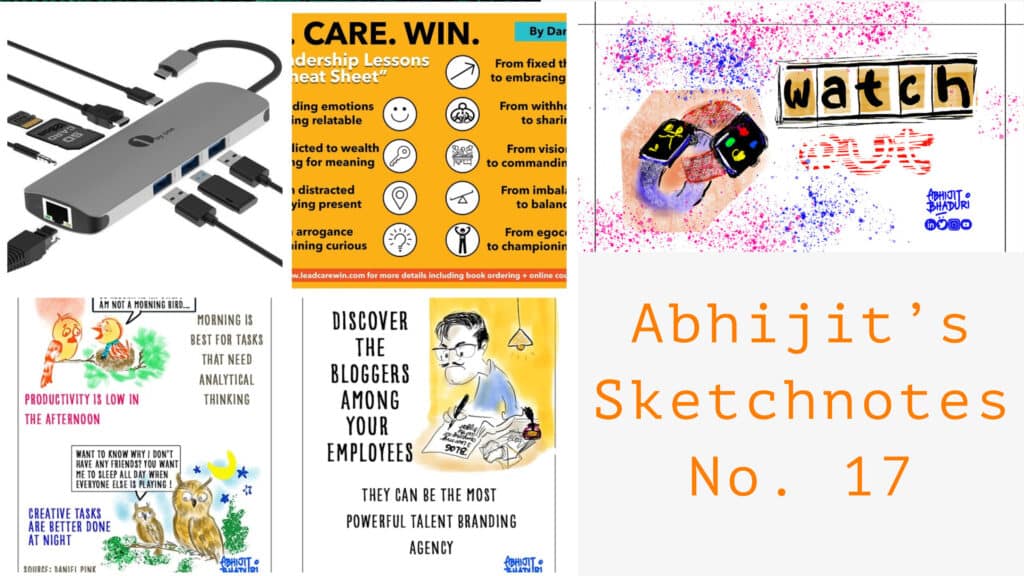
If you’re a morning person, you should do your analytical work early when you’re at peak alertness; your routine tasks around lunchtime in your trough; and your creative work in the late afternoon or evening when you’re more likely to do nonlinear thinking. The reverse holds true if you are a night owl.
I was once talking to the founder of a startup who wanted to build the culture of Google in his firm. He wanted to benchmark the ‘best practices’ of Google’s culture of innovation and that is how he implemented this policy in his 50-person startup. Every employee in that tiny startup had to work on a personal project. Two months later a few employees came to the founder and asked for permission to work from home so that they could work together undisturbed on a secret project they had come up with.
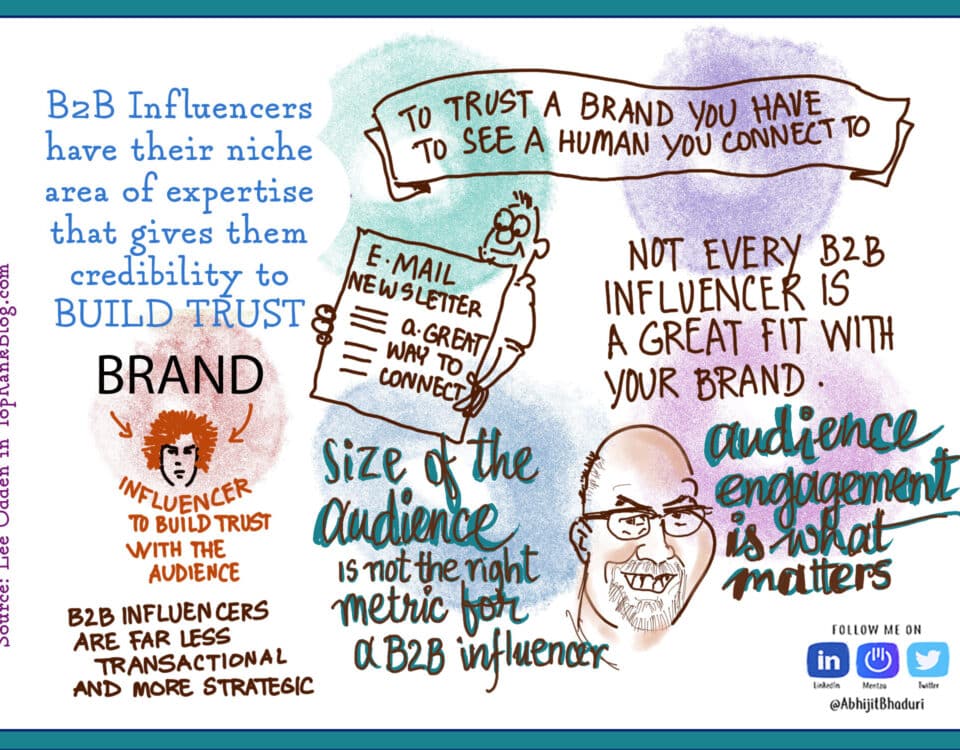
A personal brand is the degree of trust others have in your ability to do what you say. That happens when others say what you do.
Being a team leader very often means transitioning from being an individual contributor to a people manager’s role. That often comes with a salary bump and a career path that gets more attention everywhere. Doing well as an individual contributor has no bearing on how well the person does as a people manager.
It is the first taste of discretionary power one experiences very early in career. It is the first taste of responsibility for the success of others beyond one’s own self. It is the first opportunity to help and coach others to scale up and reach the desired goals. The leader’s role is to help the team achieve synergy not just remain the sum total of everyone’s results. To do that, the person managing a team must juggle three perspectives: