September 10, 2020
A personal brand is the degree of trust others have in your ability to do what you say. That happens when others say what you do.

A personal brand is the degree of trust others have in your ability to do what you say. That happens when others say what you do.
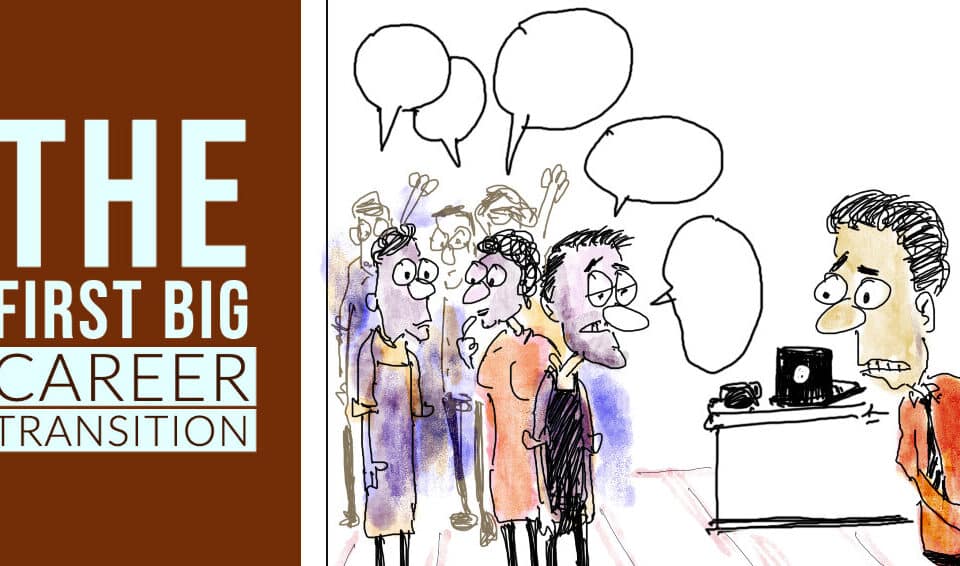
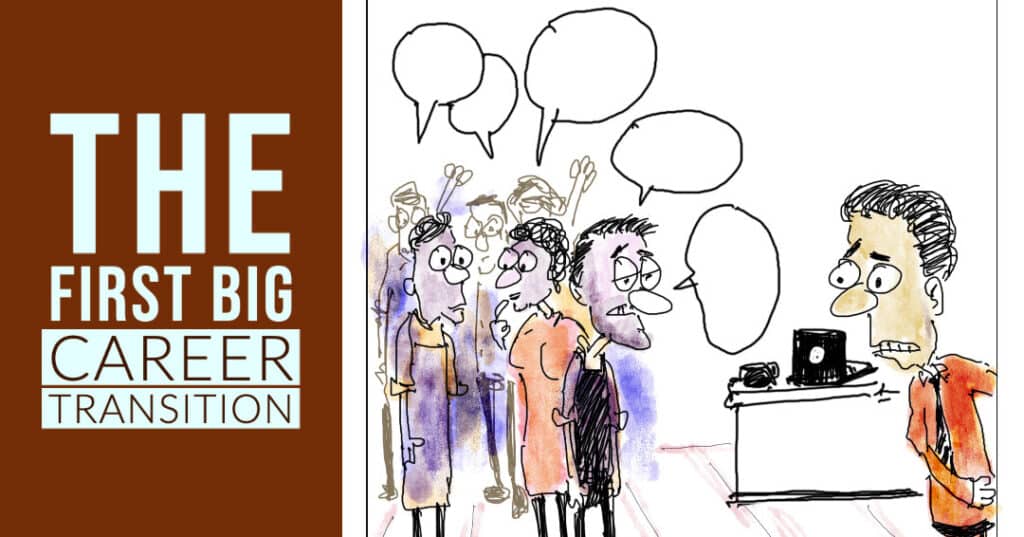
Being a team leader very often means transitioning from being an individual contributor to a people manager’s role. That often comes with a salary bump and a career path that gets more attention everywhere. Doing well as an individual contributor has no bearing on how well the person does as a people manager.
It is the first taste of discretionary power one experiences very early in career. It is the first taste of responsibility for the success of others beyond one’s own self. It is the first opportunity to help and coach others to scale up and reach the desired goals. The leader’s role is to help the team achieve synergy not just remain the sum total of everyone’s results. To do that, the person managing a team must juggle three perspectives:
This is a situation that nobody in the world has experienced before and, therefore, this is a time to make bold bets. It’s a time to start questioning the basic assumptions and begin to design a different workplace that values everything that the previous workplace norms did not allow for. Mental health has always been something that organisations have left people to worry about on their own. Perhaps this is a time to step up to the plate, prioritise employees’ holistic well-being, and question the inclusivity of the whole process. These are things which endear people to you. You build deeper connections, and that’s one of the big ways in which you build emotional resilience.
This is the first time in the world of work when the leader is as uncertain about the future as the employee. This democratisation of information or lack of it is creating a new contract between the employer and the employee. When leaders admit they are vulnerable, they are building trust. Being able to say, ‘I don’t know’ is a new phrase the leader has to get used to. It takes a courageous and self-assured leader to admit that it is their judgment and not precedence they are relying on.
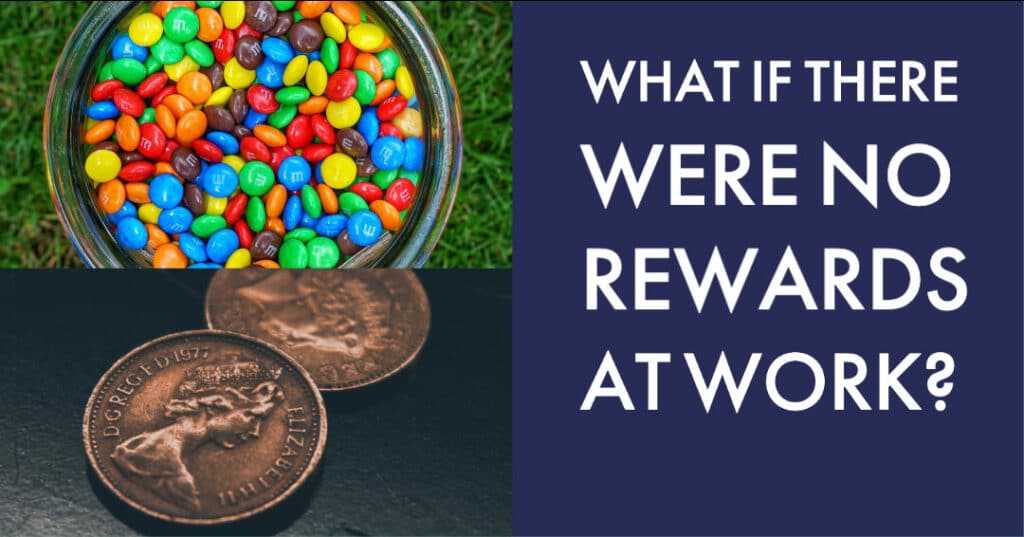
In the workplace, there is a special team of people who manage “total rewards” that does everything with the belief that periodic rewards make the employee feel appreciated and a little more engaged. Could it be that our system of rewards is just what is making them disengaged? Could it be that rewarding high performance is precisely what is making people not collaborate with colleagues? Could it be that offering rewards for innovation is stopping the employees from taking on complex problems? What does the science say?
Narcissists focus on looking good themselves. They often do not grow the second line of leaders, so that there is no one who has the “stature to challenge their decisions”. Many start-ups are as guilty of not investing in building a second rung of empowered and capable leaders.There could well be a better choice than choosing between the two extreme leadership models that we have seen. The price is paid by the employees and common investors. This must change.
While the job descriptions may be the same, you probably do the same job very differently from your predecessor. Personality shapes several aspects of the role – our ability to bounce back after rejection (Sales roles); risk taking ability; our method of competing with others or even how much we voluntarily socialize with colleagues can be traced to personality. A caveat: use a personality assessment tool that is scientifically validated and reliable. Humantic uses AI to assess the candidate for Big Five personality traits without requiring her to answer a questionnaire.
Repairing a broken culture takes much longer. A number of start-ups laugh at these needs of articulating values. Quite often the founding team gets together and chooses values that support revenue growth but ignore elements like diversity, respect etc that they think comes in the way of achieving scorching rates of growth. There is no doubt that it is well worth the investment.