Few topics have captivated talent management discussions more intensely than potential. But how good are we at evaluating human potential? The answer is, it’s mixed. In the real world of work, organizational practices lag behind, with 40% of designated “HiPos” — high-potential employees — not doing well in the future and at least one in two leaders disappointing, derailing, or failing to drive high levels of engagement and team performance. Despite the tools being available, political processes derail how talent is identified in organizations.
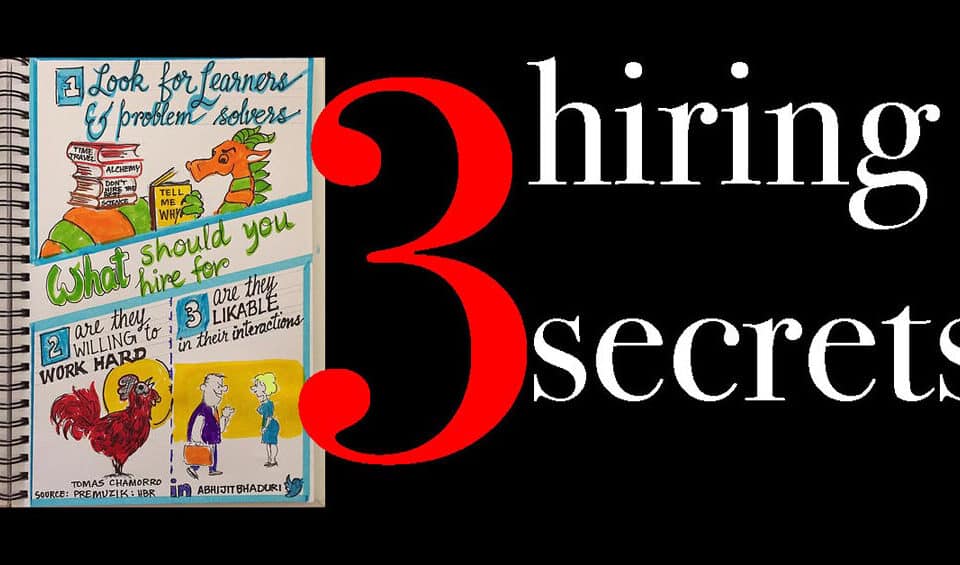
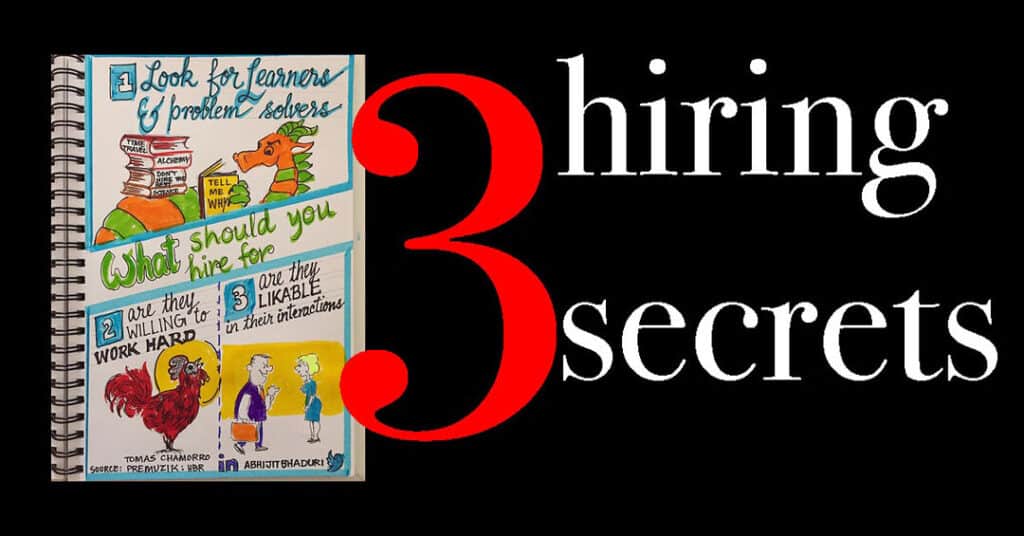
What makes someone an effective hire then boils down to three characteristics. Do they have the knowledge to do the job? Are they motivated to work hard? Do they have social skills that will make it easy for them to work with others?How can we assess for these during the hiring process?
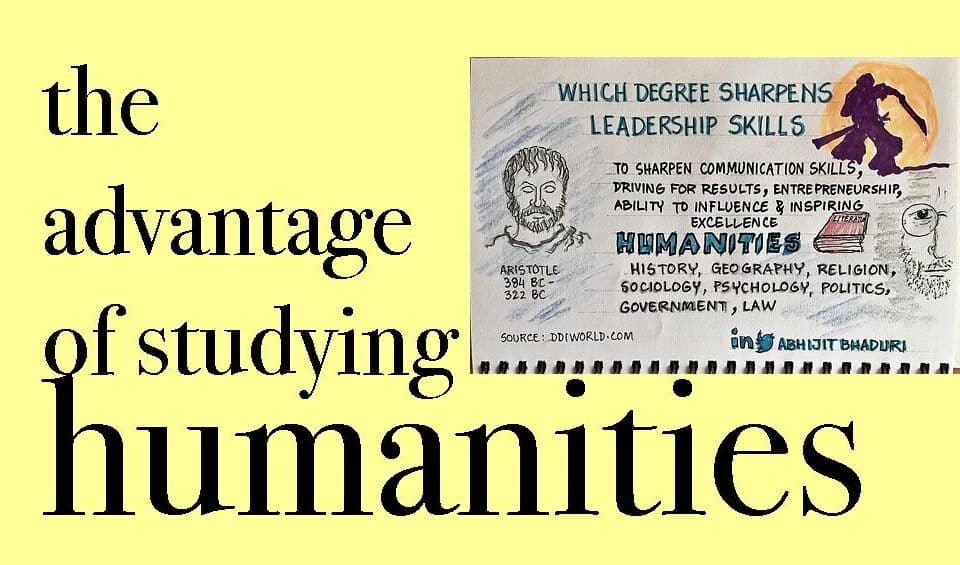
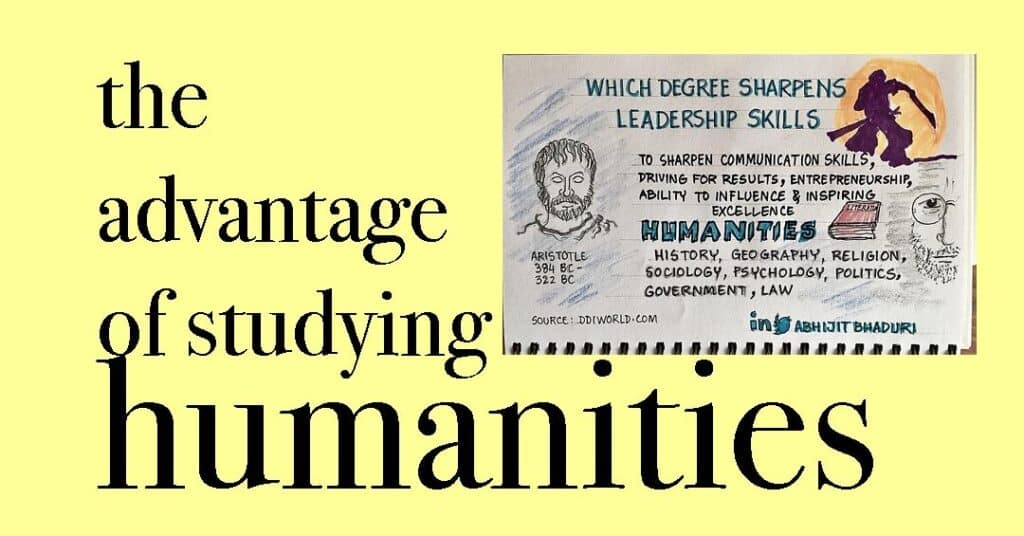
Business education seems to leave gaps in skills that demand human interaction and working across geographies and diverse groups. The entrance examination of a B-School is such that it is hard for a non-engineer to compete. Hardly any Humanities graduates can make it past the entrance examination that is tilted in favor of quantitative skills.It is no surprise that many of us struggle in the workplace to influence colleagues who do not report to us. Or to work with the matrix structures where power lines are fuzzy and influence lines matter.This is just what Humanities teach us. How to interact with human beings. To deal with ambiguity and fuzziness.
For the film makers, writers, lyricists and comedians, the streaming giants may offer a safe haven where opinions that are not palatable to the majority can be expressed. The stand-up comedians can do their routine without fear of a backlash other than the market forces. If viewers do not watch the shows or rate it poorly, the artistes will be taken off the air or at the very least not invited back. Free speech that challenges our worldview may thrive in the fringes while the mainstream cinema continues to dole out what is safe but bland.
A smaller team helps improve execution. Amazon’s stock has risen more than 36 percent this year. If you had invested $1,000 in Amazon in July 2002 — and had held onto your shares — that money would be worth $83,000 today. In real terms it would be $61,000. Can all this be attributed only to 2 Pizza teams or is there something more.
How to handle underperformers in a team you inherit? The manager is responsible for the success of the team. It is not fair to top performers when the manager ignores the underperformers and lets the others pick up the slack. How can the manager help?
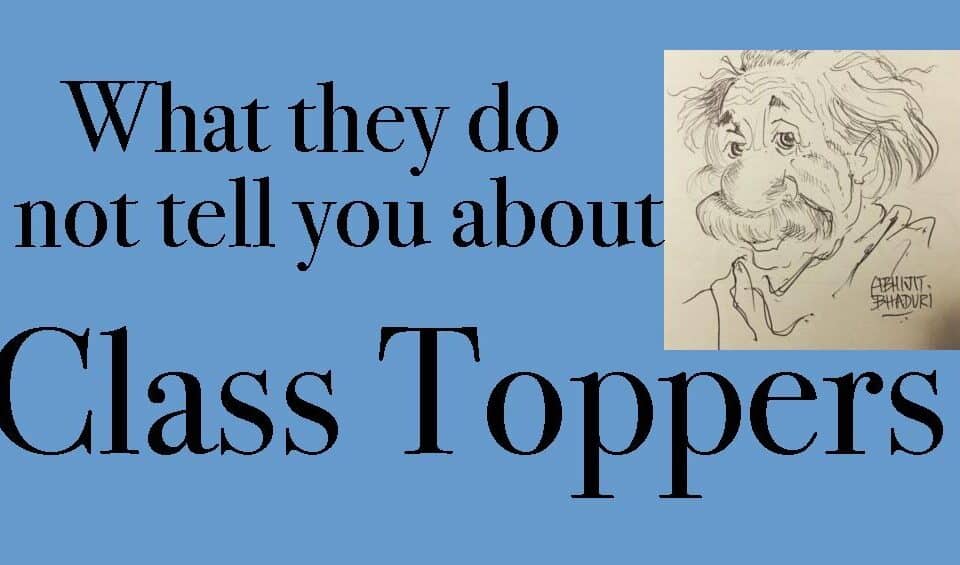
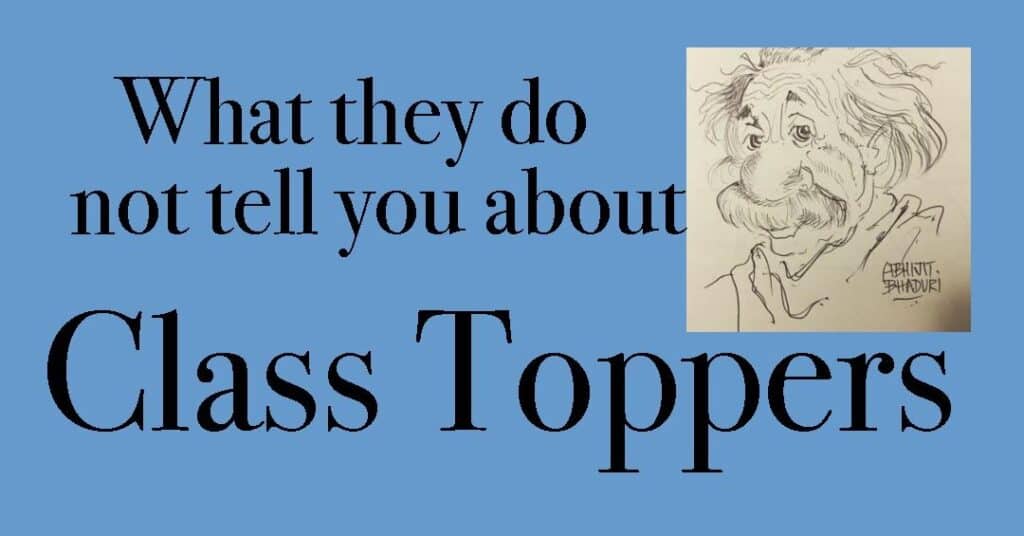
If you were the top student of your class, does it mean that you will land up being the CEO? To answer this question, Karen Arnold, a researcher at Boston College, followed 81 high school toppers and those who were top of the class after they finished academics to track their progress. Are they doing well? Are they successful? Find out for yourself.
What would happen if a tobacco company or alcohol maker or drug dealer were to buy the app to encourage addiction? The fear is not far-fetched. E-commerce companies are using algorithmic nudges to encourages shoppers to buy more than what they need or can afford. The UK government is using behavioural scientists to get people to pay their taxes in time. What is to stop a totalitarian government from using algorithms for something sinister?
Finding gaps in the readiness of a candidate for the next role can be done by using AI. Imagine using an AI platform to let the system analyze your readiness for the role you wish to take. Then provides a recommendation of the way to build the gap. There are already AI driven coaching tools that can be used to change the talent management process in organizations. Artificial Intelligence lies at the intersection of big data, machine learning and robotics. HR can leverage AI to truly impact business outcomes.