
 Assessing talent is one of the toughest decisions organizations have to make. Most people like to believe that if they trust their gut feel about a candidate, they will be able to hire the right person. Nothing could be further from the truth. Human beings look through the world with their filters. These are the biases they bring in while assessing talent.Since we spend all our life working with human beings it gives us an illusion that we are constantly improving our ability to assess performance and potential. That after all is the basis for all hiring decisions.Having accurate measurements for performance is tough enough. Measuring potential for future roles is even tougher.
Hiring is a skill
Just because someone has interviewed thousands of candidates does not mean that their skills of assessing talent have been improving. We all have been writing for years, but everyone’s handwriting is not equally legible and appealing. Assessing candidates needs to be learned.
What makes someone an effective hire?
The most effective employees are the ones who know their subject matter in depth. There is always so much we all need to know on a daily basis to stay on top of our field. Organizations reward employees who go above and beyond. They work hard to get the job done and take accountability of tasks that are assigned to them. They are people who everyone wishes to have on their team because we enjoy working with them. They care about our opinions. They know how to say things that motivate and energise others. They have high levels of emotional intelligence and social skills.
3 characteristics to assess
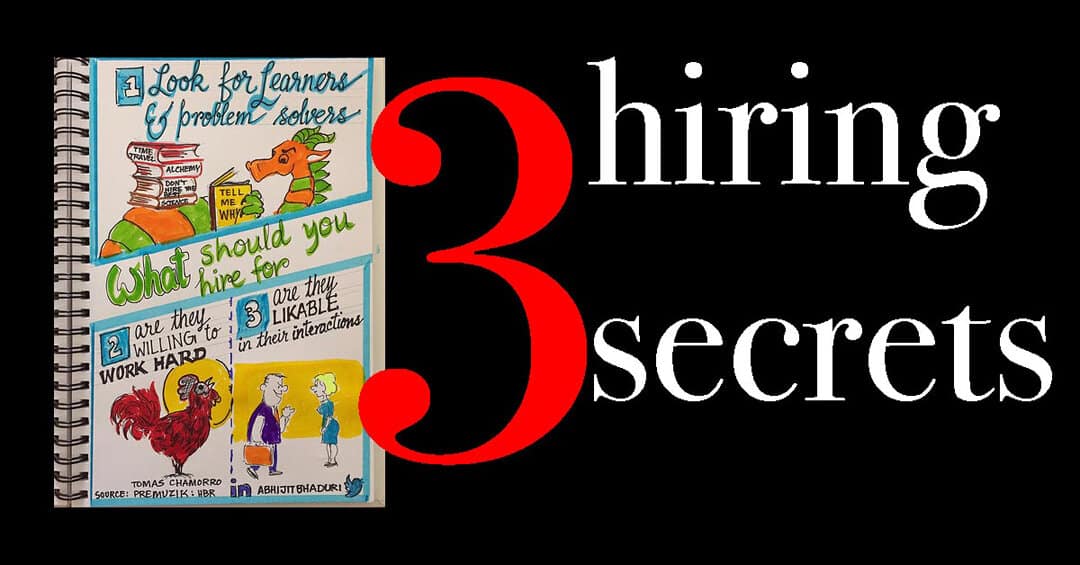
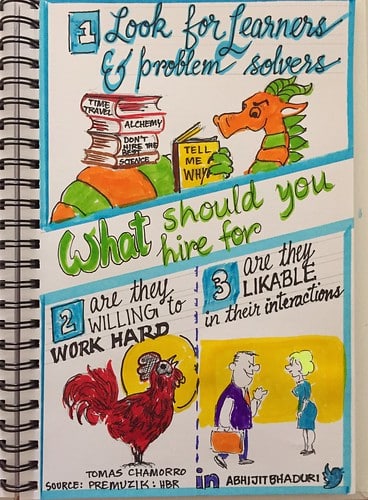
What makes someone an effective hire then boils down to three characteristics. Do they have the knowledge to do the job? Are they motivated to work hard? Do they have social skills that will make it easy for them to work with others?
- Are they learners and problem solvers?Assess for actual problems that they will need to solve in the role. Ask them how they would go about solving the biggest problem they will have to solve for when they start. Assess their approach to problem-solving by giving them a problem that was solved and compare their approach to what was done. How do they react when faced with a question they do not know. Do they bluff their way through?
- Are they willing to work hard?There will be deadlines to meet that need extending beyond the usual. There will be a crisis with a team member that needs everyone to pitch in. We may need to do five drafts of an article. Or spend a day polishing up a five minute speech. Willingness to work hard matters. It matters a lot. Please don’t assess it by asking someone, “Do you work hard?” There is only one answer to that question… “YESSSS!! I DO…”
- Are they likeable and pleasant in their interactions with others? Ask them about their approach to building a team. Find out if they have coached someone and improved their performance. How will they go about crafting a team at work? Have them meet some peers – I always find tremendous value in peer assessments? They can usually sniff out a colleague who they will hate. Watch them deal with people who are less powerful – that usually is a good predictor of their behavior with team members.
The next time you are hiring someone, look for ways to assess these three characteristics. Then evaluate the actual performance with your interview notes. Let me know if these were helpful.======Read: What Tomas Chamorro-Premuzik recommends as 3 Emerging Approaches to Predict Talent
1 Comment
I am always energized to see the simplicity of your writings…Kudos to you…