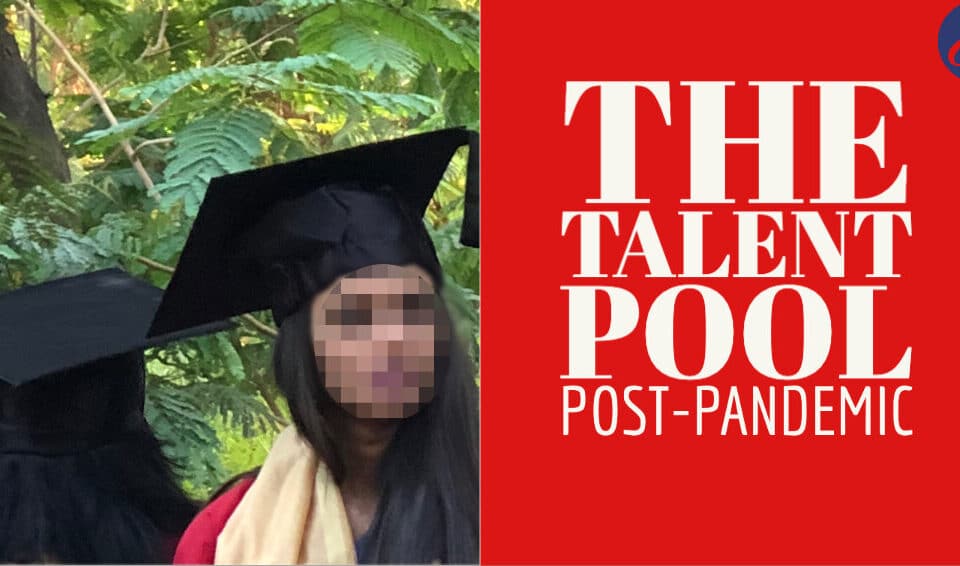
Whereas previously, the biggest online labor marketplaces flattened the individuality of workers, new platforms allow anyone to monetize unique skills. Gig work isn’t going anywhere—but there are now more ways to capitalize on creativity. Users can now build audiences at scale and turn their passions into livelihoods, whether that’s playing video games or producing video content. This has huge implications for entrepreneurship and what we’ll think of as a “job” in the future.
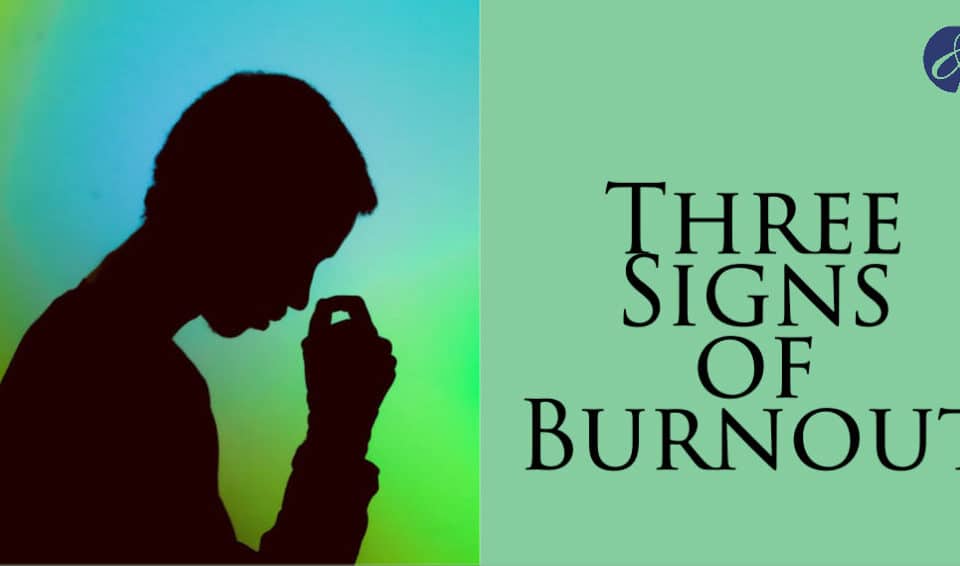
Burnout is often a result of wanting to be perfect and hence taking many more hours to complete projects. People who are pessimistic are also more prone to be pulled out at work. Burnout is a real challenge in these times. What should do to avoid burnout?
This is the first time in the world of work when the leader is as uncertain about the future as the employee. This democratisation of information or lack of it is creating a new contract between the employer and the employee. When leaders admit they are vulnerable, they are building trust. Being able to say, ‘I don’t know’ is a new phrase the leader has to get used to. It takes a courageous and self-assured leader to admit that it is their judgment and not precedence they are relying on.
Do the employees trust the intent of the leaders? Without trust, even the best of EX designs will be looked at with suspicion. Is the leader fair? Does the leader have integrity? The biggest element for great EX is to co-create it. The company’s policies reflect the assumptions the employer has about the employees. When Netflix said they offered unlimited vacation, they said the employee could be trusted not to misuse it.
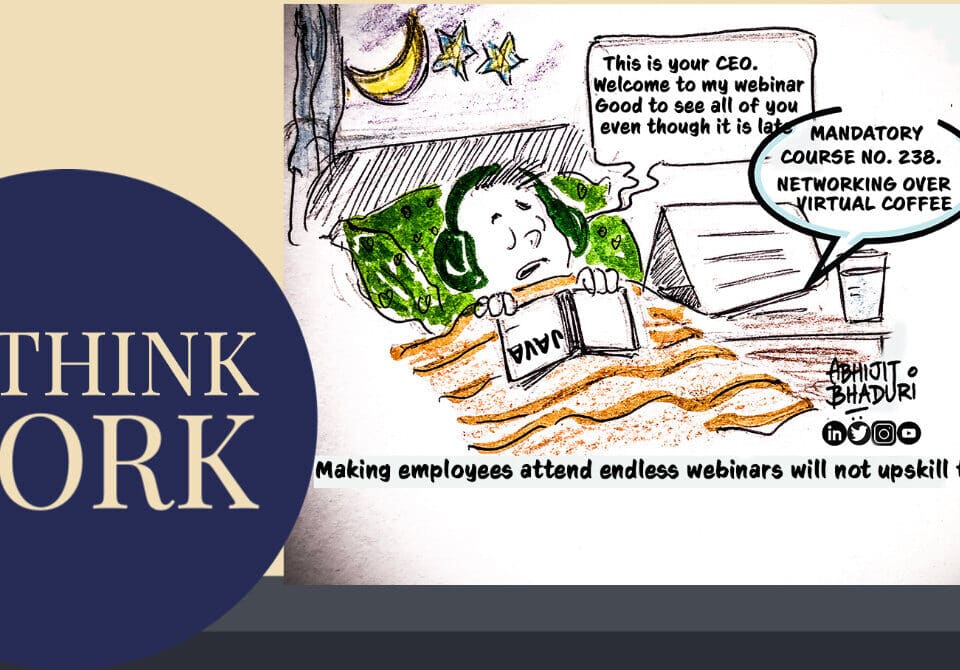
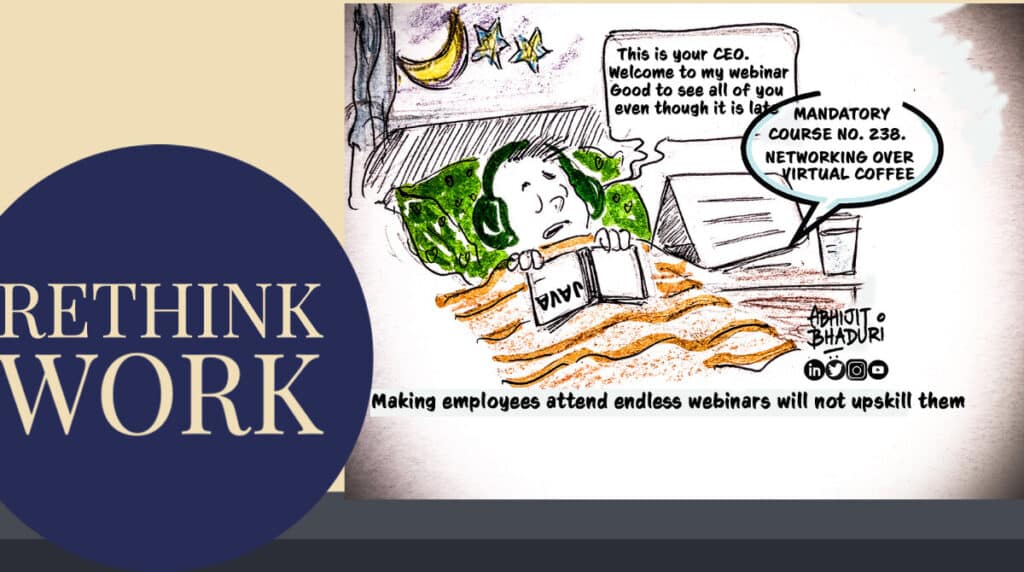
Most online classes are excruciatingly boring because they have the speaker continue for long stretches without involving participants. This can be done through polls, parallel chats, drawings, videos, quizzes, built in every few minutes. It is hard for the speaker to see the facial expressions of the learner. That is essential to build engagement.
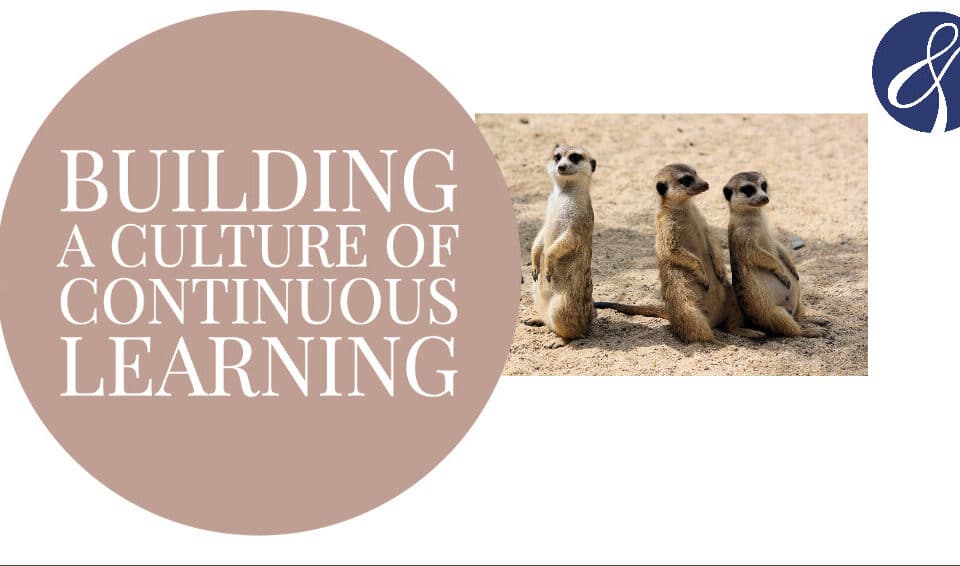
Encouraging the use of Informal Learning is the secret sauce of building a culture of continuous learning. Formal learning is the equivalent of taking a conducted tour while visiting at new city. Informal learning is all about exploring the city at your own pace. While formal learning is efficient, the effectiveness of informal learning is far higher.
One thing is for sure. The world of work has changed. The psychologist Erik Erikson refers to building trust as the first stage of human development. Knowing that we are interdependent, and we trust each other is the reason to hope for a better tomorrow. War and natural disasters can be powerful forces that form bonds that last a lifetime. We can turn this pandemic to be a force for rejuvenation.
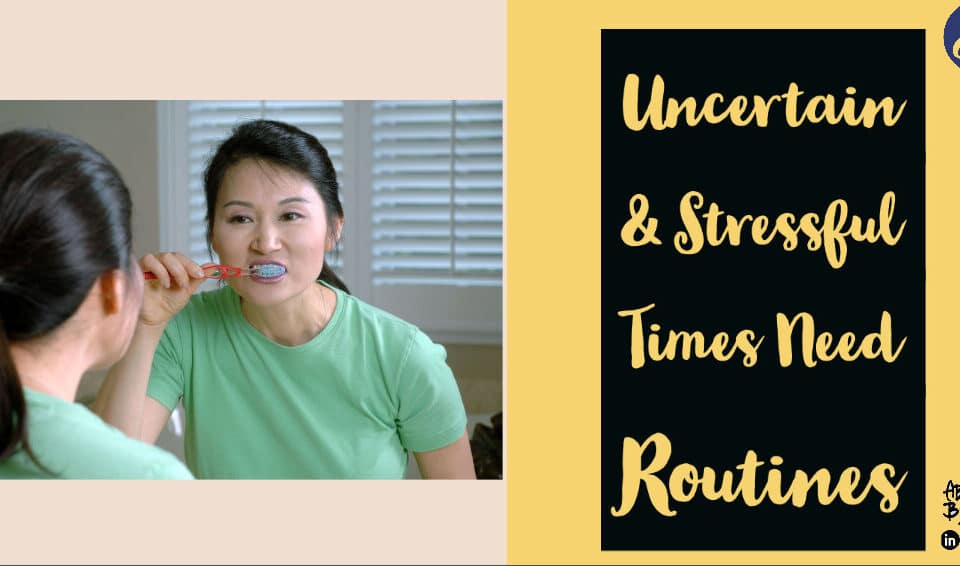
Comfort-food is a stress reliever. We throw caution to the winds and indulge in a routine that brings back memories of happy times and nostalgia. Friends and loved ones renew our faith. For some turning to religion is reassuring. Routines build a sequence that we know and have done before. Routines are necessary for mental health during times of stress and uncertainty. 5 Ideas you can use
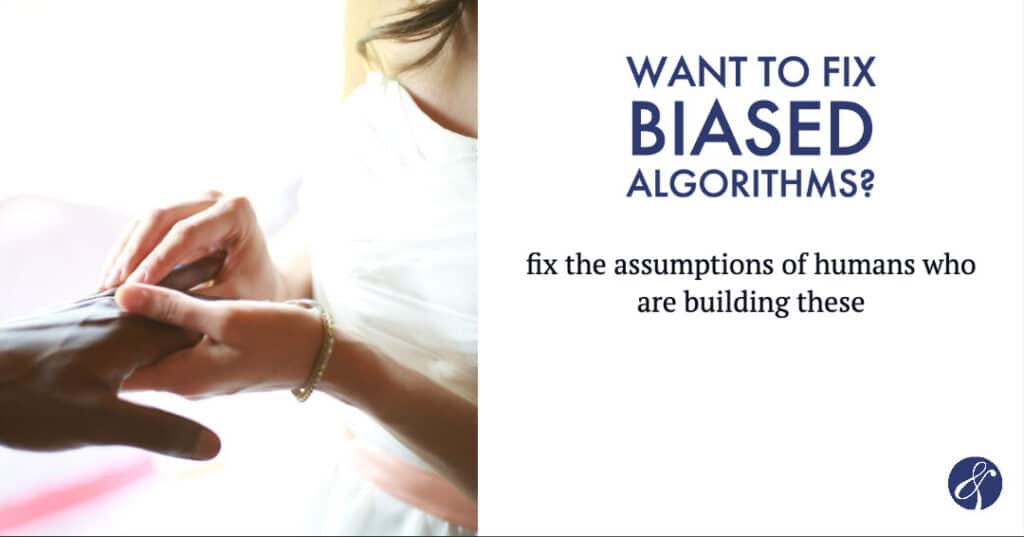
Something happens to us when we see ourselves as the majority. The people who are not like us become invisible. The majority writes the rule book to favor themselves in every way. Think of the challenge of left-handed people who wish to play the guitar or use a pair of scissors. The French word for right is “droit” and that is how adroit becomes a synonym for skilful in English. The left hand is called “gauche” in French which is how we describe something that is socially awkward.