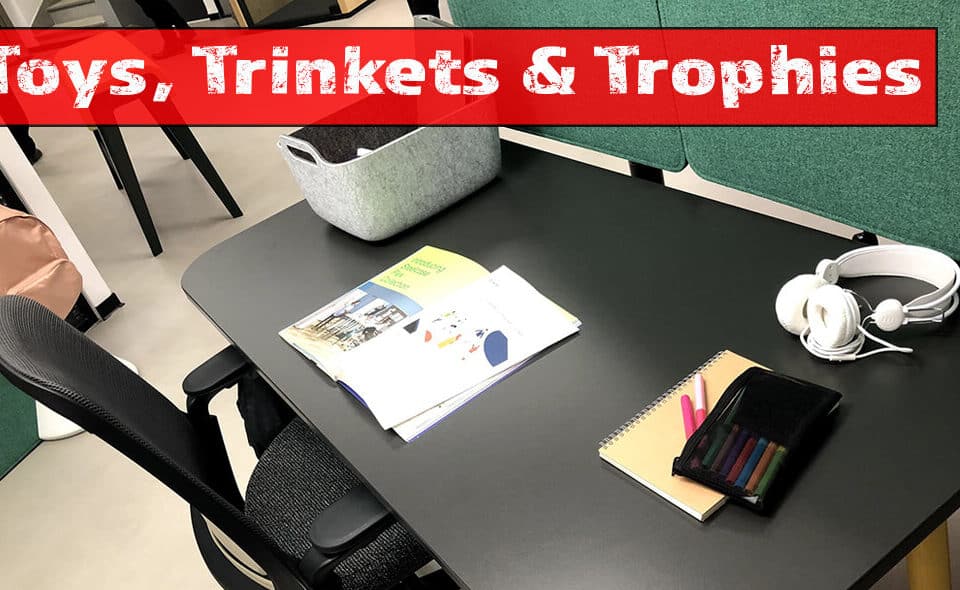
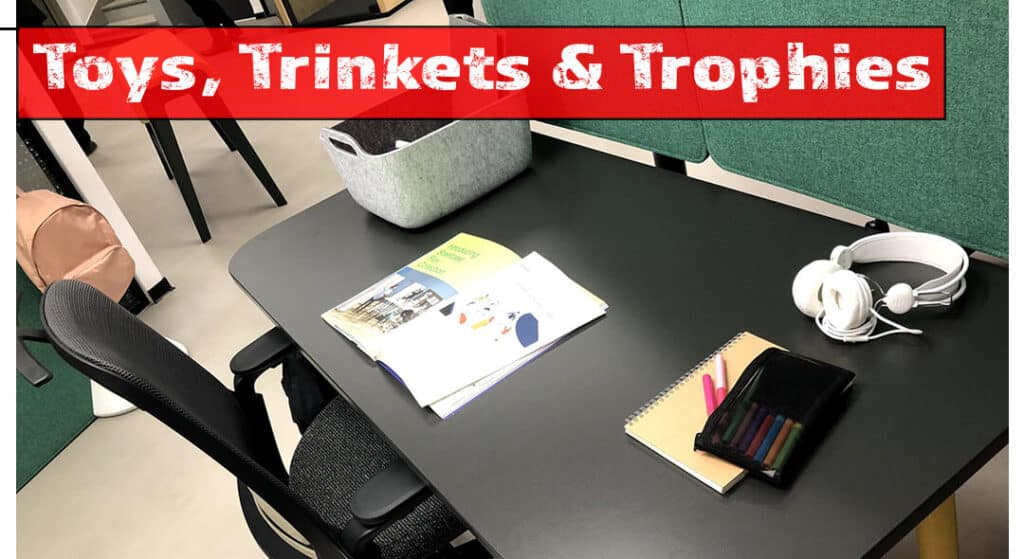
The increasing importance of the workplace design as a strategic lever for shaping culture needs to become part of the CXO vocabulary. What kind of work settings enhance the feeling of engagement with colleagues and which work settings encourage individual contribution time need to be consciously designed. How we do our work has changed. The workplace design has to catch up.
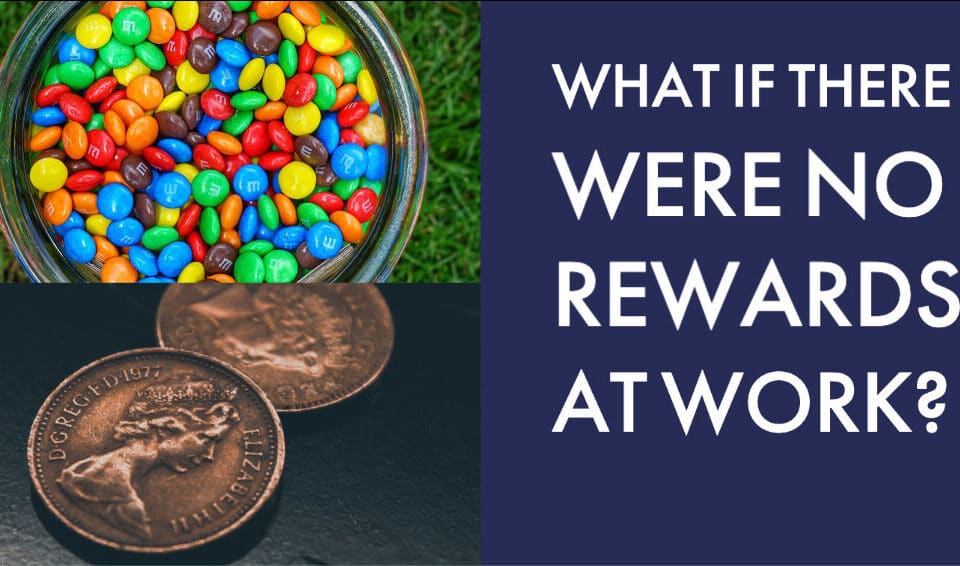
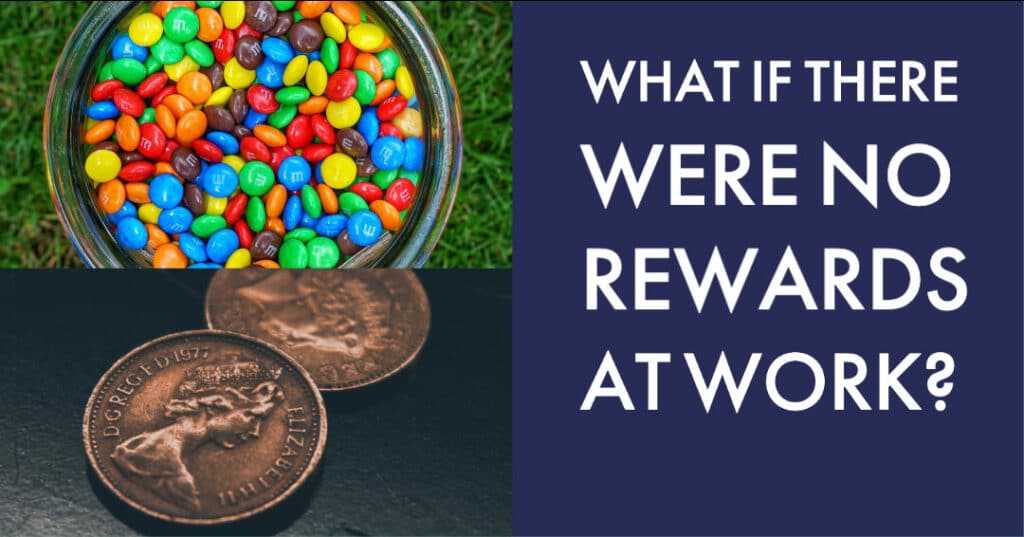
In the workplace, there is a special team of people who manage “total rewards” that does everything with the belief that periodic rewards make the employee feel appreciated and a little more engaged. Could it be that our system of rewards is just what is making them disengaged? Could it be that rewarding high performance is precisely what is making people not collaborate with colleagues? Could it be that offering rewards for innovation is stopping the employees from taking on complex problems? What does the science say?
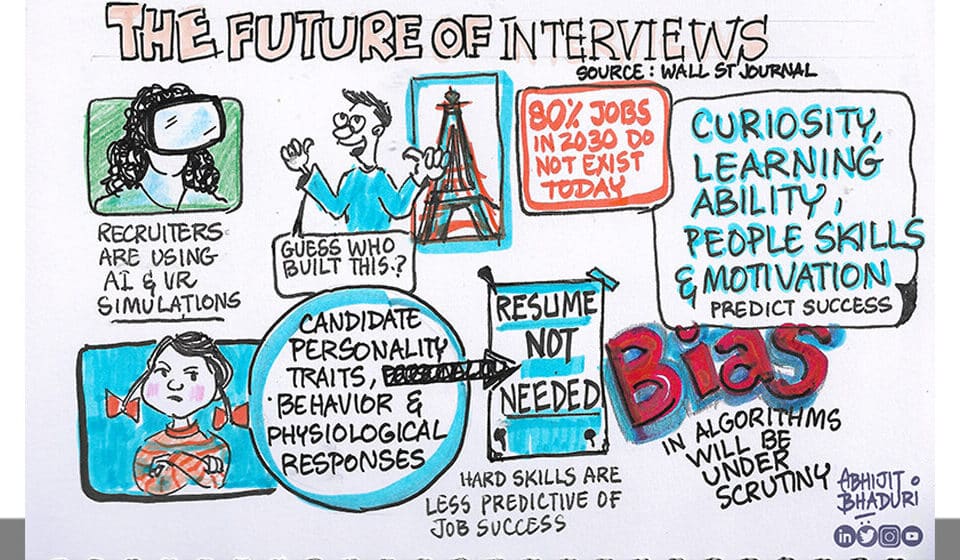
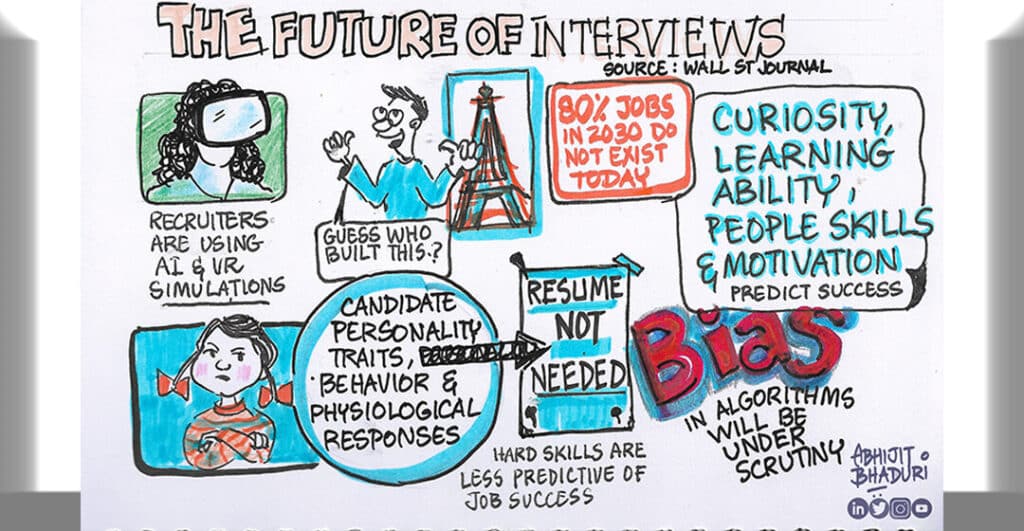
The highest growth will be in jobs that require tech skills and understanding of human emotions. They are called Hybrid Jobs. A Marketing manager with fluency in a database program, or a Data Scientist who knows data visualization or an Engineer who knows Sales qualifies as a Hybrid Job. These jobs will grow at twice the pace of any other job and are less likely to get automated. If you are a Techie, adding social or creative skills can make you a “purple squirrel” – a term recruiters use to describe people with these rare combinations.
This is a new world of work, workers and workplaces. The systems that govern workplaces are still being run like the analog world. When movie making first came about, the movies were like stage productions put on film. It is only later that people experimented and found that the story did not have to be shot in sequential form. Cinema offered new forms of storytelling like flashbacks. Or the use of sound, silence and songs for storytelling. Workplaces must discover the new sounds, silences and songs before they can tell new stories.
As a talent scout, when I went to various educational institutions, I got a great view of which sector attracted the best people. That changed every year. If Consulting got the prime slot in one year, the next year it could be Banking or Retail walked away with the brightest people. People with the same qualification chose different sectors every year depending on a number of factors. Print Media has to discover that element which will encourage them to compete head to head with everyone else for talent. They must, in turn, take a unified view of talent. When it comes to hiring engineers or designers or journalists, the print media has to compete with other employers. The fine balance between work, workers and workplaces is a great place to start.
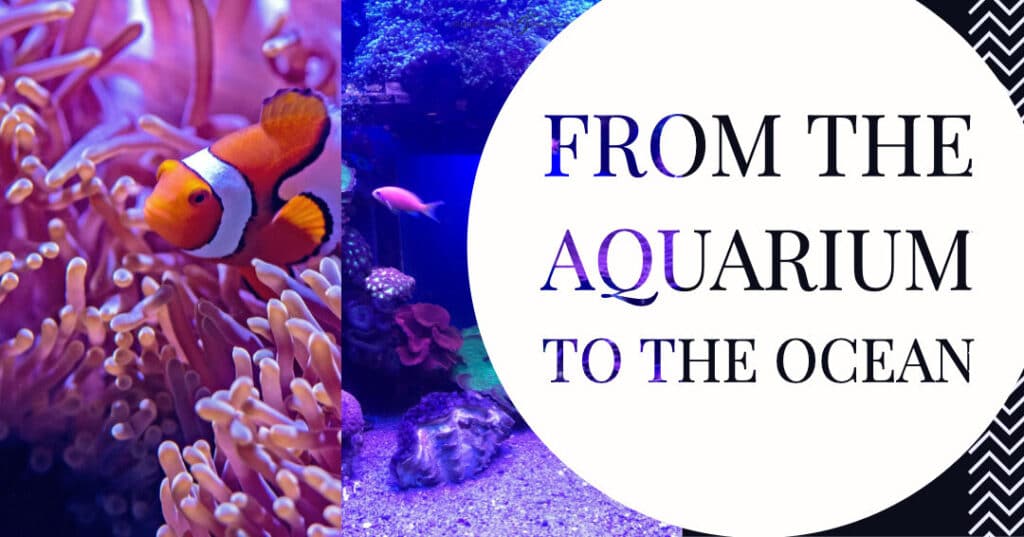
The organization is no longer like an aquarium that has a solid defined boundary wall. The organization is part of an ecosystem. Leading the fish in an aquarium is different from navigating the ocean. The digital organizations are as different from the legacy organizations as the butterfly is to the caterpillar. Leading these organizations needs not just new set of skills and competencies but also a different mindset. The hyperconnected customer is more aware and makes decisions and choices differently. The power balance has tilted in favor of the employees and consumers. They own the brand. The leaders role is now about helping the organization go from the aquarium to become part of ocean.
Very often organizations launch an initiative with great fanfare. When the dust settles, people move on to their desk and carry on doing their work as usual. Genpact seems to have found a way to sustain this massive exercise. The leadership team has taken it upon themselves to celebrate learning and the people driving the agenda - the employees.The CEO of Genpact recognizes the gurus and experts in every town hall. He celebrates the guru who has done the maximum amount of skill building. The clients are told about this. The CHRO and the Chief Innovation Officer talk about Genome to the clients and the employees at every possible opportunity. The result is that skill building is not a metric tracked by the L&D team, the agenda is part of the business conversation every day.
Joshua Karthik and his brother are behind the Virat Kohli-Anoushka wedding photos that got 10 million views. Their photos of Priyanka Chopra and Nick Jonas have been viewed 17 million times. When I invited Joshua Karthik to the studio of Dreamers and Unicorns I asked him how much money should one have in the bank to feel confident in quitting the job? His answer may suprise you.