Encouraging the use of Informal Learning is the secret sauce of building a culture of continuous learning. Formal learning is the equivalent of taking a conducted tour while visiting at new city. Informal learning is all about exploring the city at your own pace. While formal learning is efficient, the effectiveness of informal learning is far higher.
This may be a good time to rethink the conference. Here are a few easy fixes:1. The audience approves the speakers: Get the speakers to do a short 1-minute video of the topic they wish to speak about. Share the names of the speakers and their topic on the conference website. Let the people vote for the topic and the speaker. Those who are paying have a right to decide which speaker is worth their time.
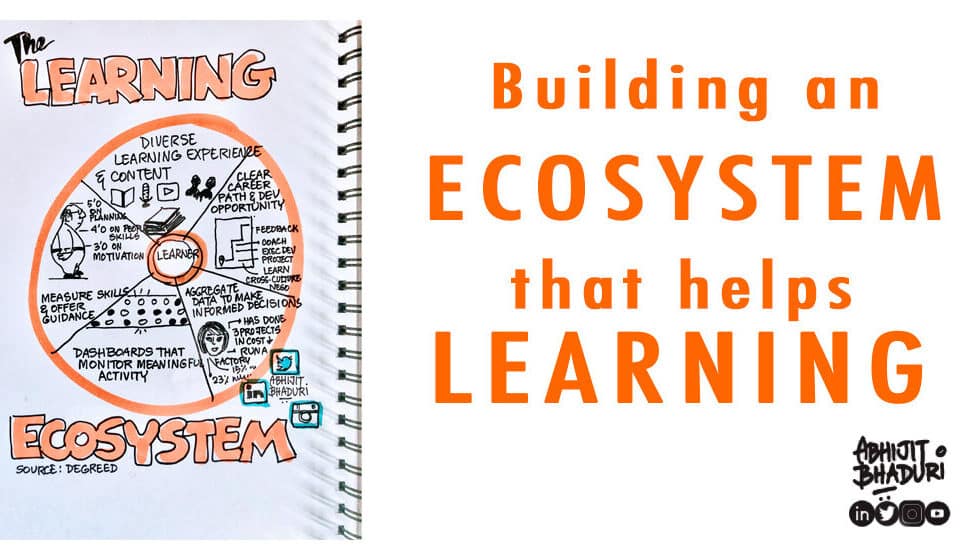
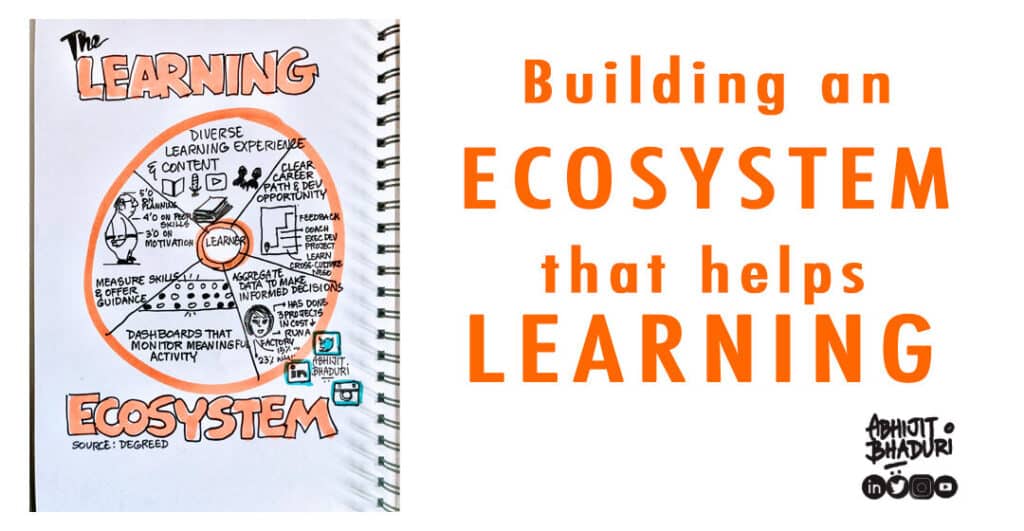
You probably use one or more of these open source learning systems: TED talks, General Assembly, EdX, Big Think ... and then you have many formats of content - videos, podcasts, blogs, websites, newsletters. I use a number of whitepapers and reports published by various organizations. Your employer probably has their own LMS to share content. Having great content does not ensure learning.
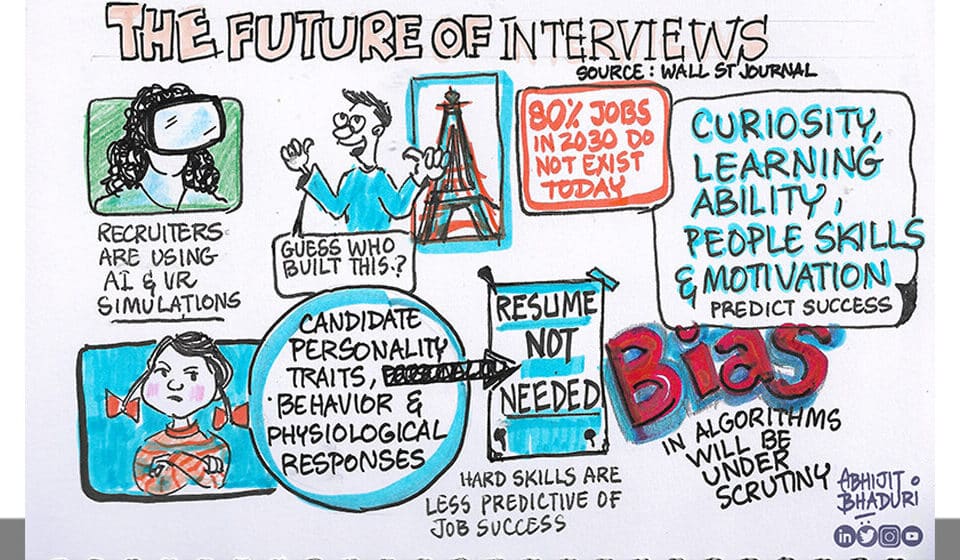
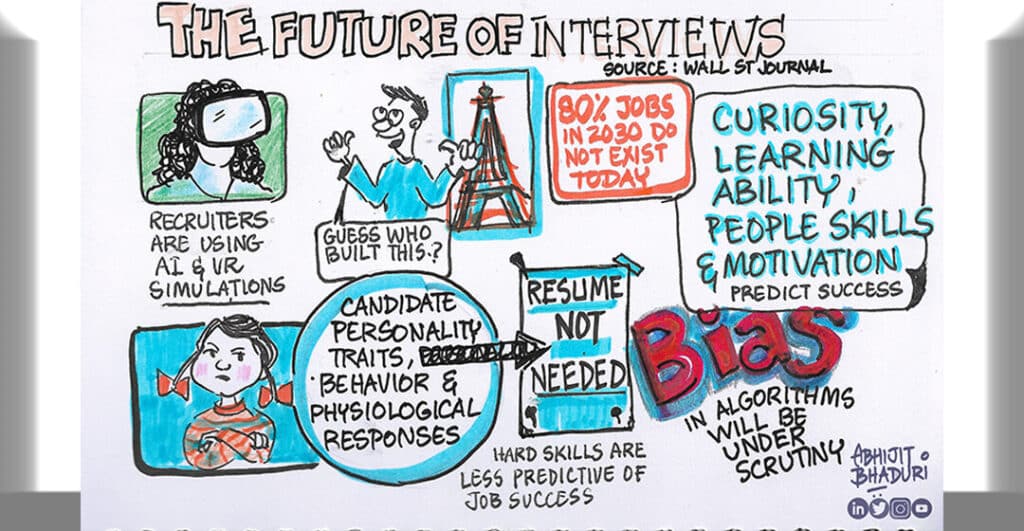
Your social media presence can be used to create your personality profile. These reflect more stable traits like ability to learn, motivation and people skills. Personality is probably a better predictor of your success than what people put on their resume. There is inaccurate and sometimes fake information in people's resumes. That when combined with poor skills at predicting performance from candidate interviews, means most hiring is a hit or miss situation.
There is something else besides the role dimensions, I think there is a very high sense of responsibility when you get into a business leadership role and the responsibility is about you realize your decisions are beginning to impact the careers of people, their whole livelihoods, the direction which you wish the organization to take and you bet on could come through, it need not, it could have an impact and you need to do it in a lot more responsible manner. And that sense of responsibility just gets accentuated when you step into this role which I have to admit was not there earlier.
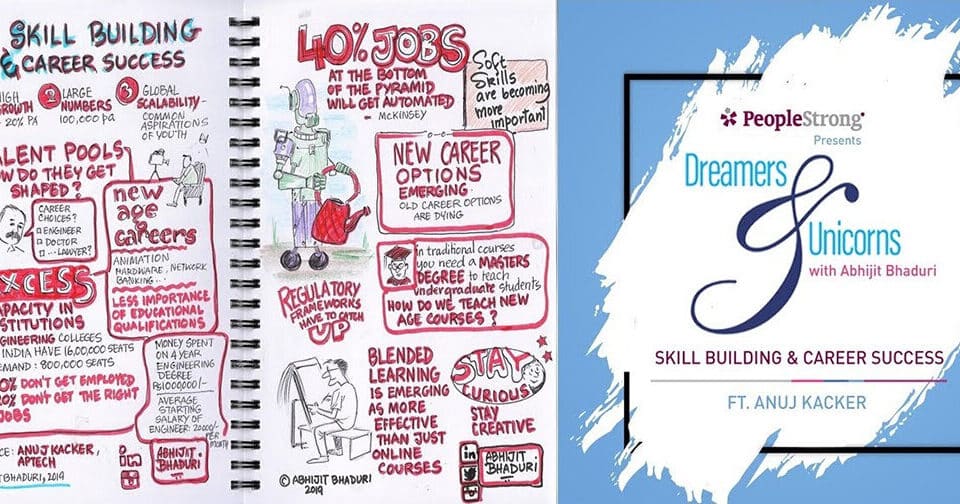
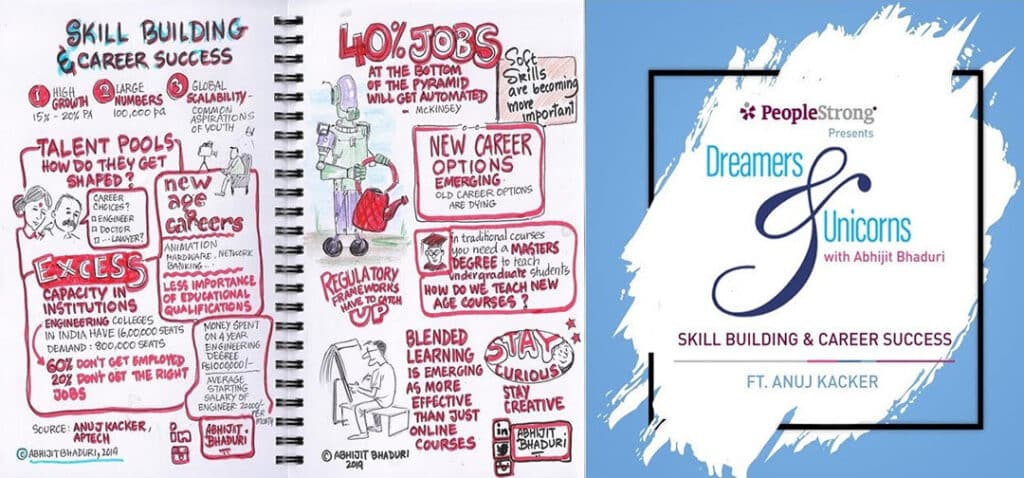
Many parents still go for conventional career choices like Engineering, Medicine, Law etc. These fields are crowded and the supply of talent exceeds the demand. Take Engineering for example. There are 16,00,000 seats in Engineering colleges in India and barely 800,000 of these get filled. Of these 800,000 students who graduate from Engineering colleges, 60% do not get employed and 20% do not get the right jobs. The average fees paid across 4 years of Engineering education is Rs 10,00,000 but the average starting salary is barely Rs260,000 per year. To repay a student loan at that salary level takes 3-4 years. The new age careers lie in fields like animation, cinematics, aviation etc
Very often organizations launch an initiative with great fanfare. When the dust settles, people move on to their desk and carry on doing their work as usual. Genpact seems to have found a way to sustain this massive exercise. The leadership team has taken it upon themselves to celebrate learning and the people driving the agenda - the employees.The CEO of Genpact recognizes the gurus and experts in every town hall. He celebrates the guru who has done the maximum amount of skill building. The clients are told about this. The CHRO and the Chief Innovation Officer talk about Genome to the clients and the employees at every possible opportunity. The result is that skill building is not a metric tracked by the L&D team, the agenda is part of the business conversation every day.
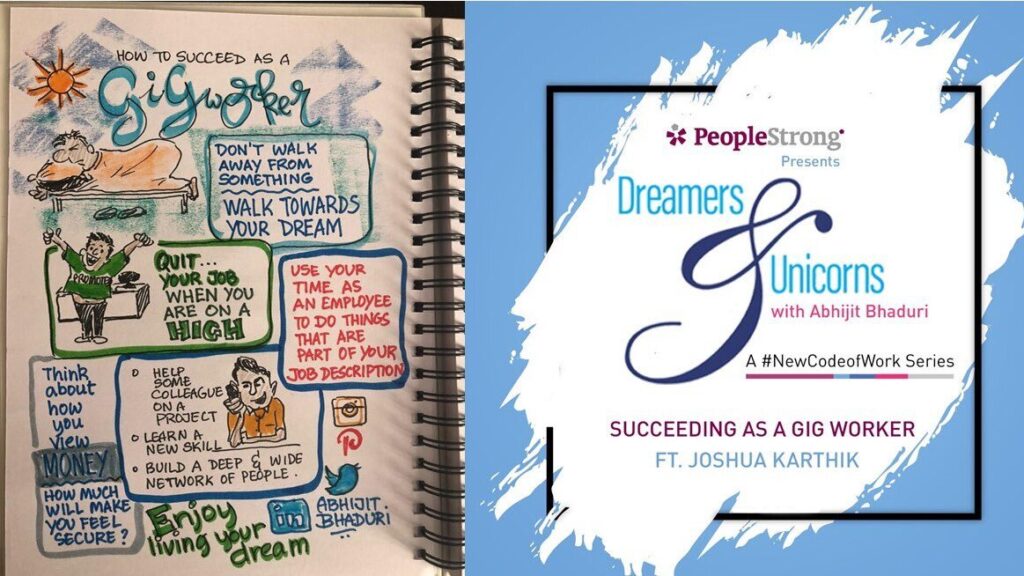
Joshua Karthik and his brother are behind the Virat Kohli-Anoushka wedding photos that got 10 million views. Their photos of Priyanka Chopra and Nick Jonas have been viewed 17 million times. When I invited Joshua Karthik to the studio of Dreamers and Unicorns I asked him how much money should one have in the bank to feel confident in quitting the job? His answer may suprise you.