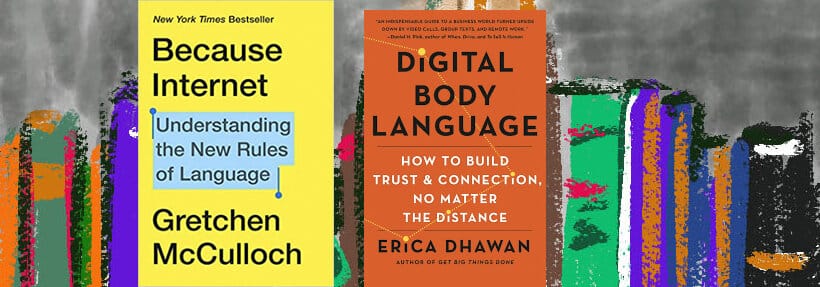
The virtual world makes it tougher to get communication right. Teaching leaders how to communicate effectively in the virtual world maybe a worthwhile investment. Getting coached in the digital body language may be a great investment. Here are two books I recommend.
Do you recall your childhood memories? Of course you do. But then how do you know that those memories are accurate? Do you have a photograph to prove it? Then your mind may be playing tricks.
What did you learn this week? That was Estelle Metayer who goes by the twitter handle @Competia. She was hosting a Clubhouse room that had music composer Philip Sheppard - on twitter as @PhilipSheppard (see his website to learn more) and me as the moderators. That question sparked off a storm of ideas in the room.
Talent Density is all about constantly culling the average performer. Think of it as the dreaded bell-curve on steroids. The Netflix culture site says, "Our version of the great workplace is a dream team in pursuit of ambitious common goals, for which we spend heavily. It is on such a team that you learn the most, perform your best work, improve the fastest, and have the most fun."
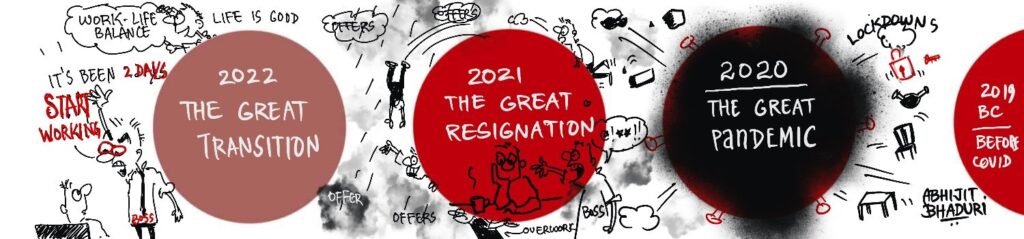
The impact of these three forces pales in comparison to the impact of Covid-19 in the job market. Millions of people have lost their jobs. People realize that their business card can no longer borrow the brand value of their employer. Even if the employer provides outplacement services (like RiseSmart) to the impacted employee, without a strong personal brand, the person is just another resume in the pile. Without a personal brand, an individual gets lost among the 650 million people on LinkedIn.
Layoffs are are a major reason for mental health issues. You can use the headline offered by LinkedIn to stand out in the job market. And what should you never say in the headline? When someone wants to know why you were laid off, how should you answer the question by using a statistic? And is there an Insurance Policy that covers you against a layoff?