This is a situation that nobody in the world has experienced before and, therefore, this is a time to make bold bets. It’s a time to start questioning the basic assumptions and begin to design a different workplace that values everything that the previous workplace norms did not allow for. Mental health has always been something that organisations have left people to worry about on their own. Perhaps this is a time to step up to the plate, prioritise employees’ holistic well-being, and question the inclusivity of the whole process. These are things which endear people to you. You build deeper connections, and that’s one of the big ways in which you build emotional resilience.
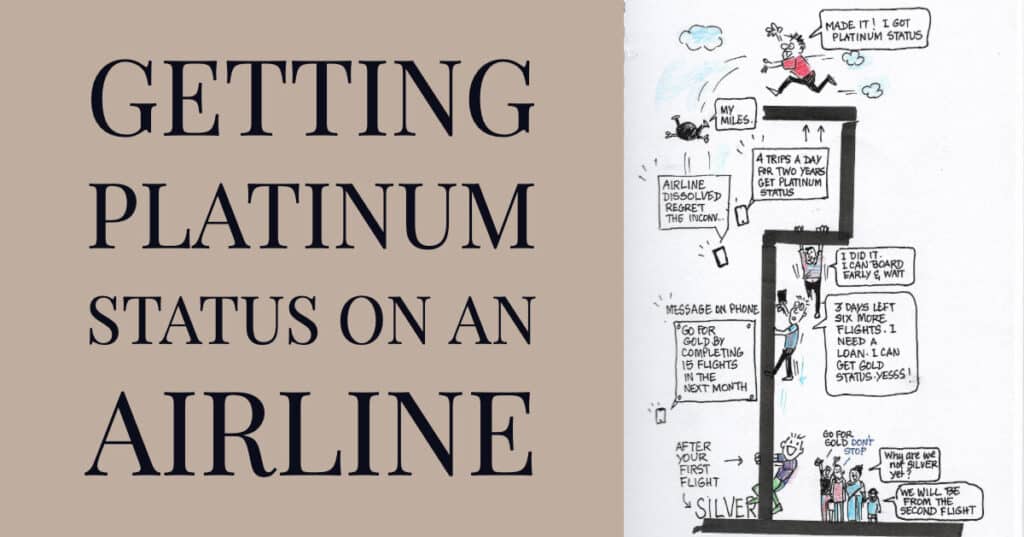
I have never won the Olympic Gold medal. I never aimed for it either. No really. Why should I settle for Gold when I could go for Platinum. In case you are that person who likes to read the last page of a murder mystery to find out the murderer's name and mobile number, this article is for you. Yes, I did achieve my goal. You are lucky one who will learn the secret without shelling out the fee I paid. Yes, nothing in this world is free, except unsolicited advice.
One look at Zuckerberg’s testimony before the European Parliament shows how powerless the lawmakers are because they do not understand how modern media works. The US senators were not much better when it came to questioning Zuckerberg. The lawmakers pose for selfies and photos with the very person they intend to grill. Part of the problem was the clear ignorance, if not befuddlement, in the face of technology displayed by most of the senators, many of whom are of a ripe vintage. At times Zuckerberg resembled the polite teenager who visits his grandparents, only to spend the afternoon showing them how to turn on the wifi.
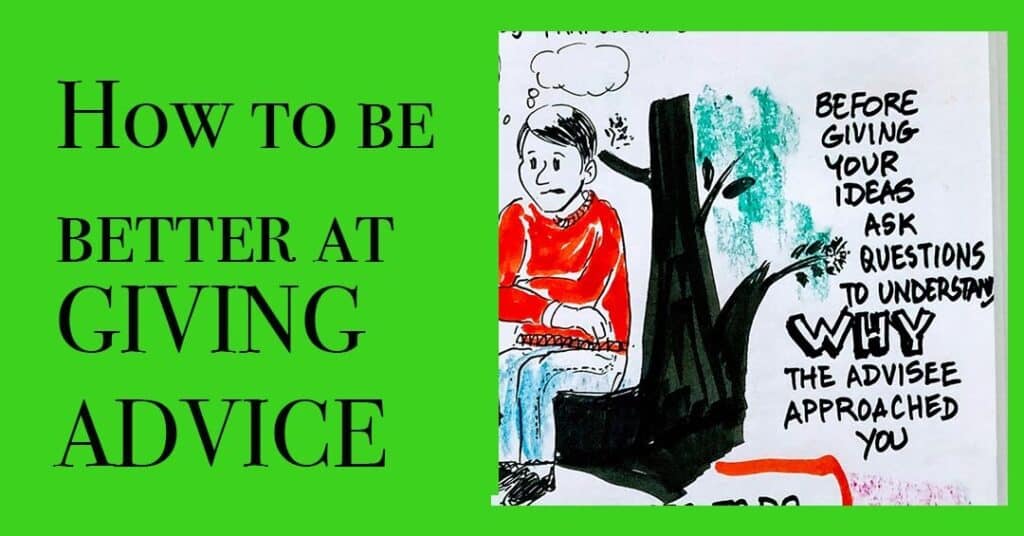
Three tips to better at giving advice1. ASK WHY: Find out why the advise thought of reaching out to you in the first place.2. MODEL THE BEHAVIOR: When leaders give speeches to employees about Learning Agility it rings hollow if the employees have never seen the leader struggle to learn something new.There is third piece of advice that matters even more.
According to a new research by Harvard Business School professors Alison Wood Brooks, Karen Huang, Michael Yeomans, Julia Minson, and Francesca Gino, people who ask follow-up questions are perceived as higher in responsiveness, an interpersonal construct that captures listening, understanding, validation, and care. Here are 9 follow-up questions you can ask.
It takes me a moment to realize that Gulzar is talking to me. The deep baritone voice fills up the studio.“I have been sketching and doodling for many years now. But I did not want to add my name to the sketches because I wanted unbiased feedback on my drawing skills. If I sign the sketches, some people will immediately stop evaluating the drawings critically. I will never get to know what I should do to improve. It is hard for me to get honest feedback and a real assessment of my skill. Without that it is hard to improve. So getting the feedback anonymously seemed like a good idea.”