I always believe that a transition is like the trapeze act you may have seen. When a performer releases the bar and is caught by another performer, the "catcher," who hangs by his or her knees on another trapeze. After the first performer leaves the trapeze bar and is held by the colleague, for a brief period of time the performer is in mid-air without any support. Transitions are like that in-between moment. They are scary but manageable.
This may be a good time to rethink the conference. Here are a few easy fixes:1. The audience approves the speakers: Get the speakers to do a short 1-minute video of the topic they wish to speak about. Share the names of the speakers and their topic on the conference website. Let the people vote for the topic and the speaker. Those who are paying have a right to decide which speaker is worth their time.
Every freelancer has to be their own C-Suite. If they do not understand the complexity of the taxes they have to pay, they can work with an accounting firm or a tax lawyer. In an organization, the Learning and Development team will assess the gaps in soft skills (along with the technical knowledge and domain knowledge) that are there for each employee and create a plan to bridge the gap. That option goes away for freelancers. They can’t assess their own skill gap in this area.
The increasing importance of the workplace design as a strategic lever for shaping culture needs to become part of the CXO vocabulary. What kind of work settings enhance the feeling of engagement with colleagues and which work settings encourage individual contribution time need to be consciously designed. How we do our work has changed. The workplace design has to catch up.
I had taken a sabbatical of 2 1/2 years due to medical reasons. I resumed work after full recovery. on my return, I am being treated differently by my coworkers and managers, who think I am still unfit. I’m not given key assignments. And whenever some crucial work comes my way, it is on sympathetic grounds. Even if they involve me in certain activities, it’s merely a formality. I feel very isolated. What should I do to ensure my career get a boost and I am treated equally at the workplace?
This is a new world of work, workers and workplaces. The systems that govern workplaces are still being run like the analog world. When movie making first came about, the movies were like stage productions put on film. It is only later that people experimented and found that the story did not have to be shot in sequential form. Cinema offered new forms of storytelling like flashbacks. Or the use of sound, silence and songs for storytelling. Workplaces must discover the new sounds, silences and songs before they can tell new stories.
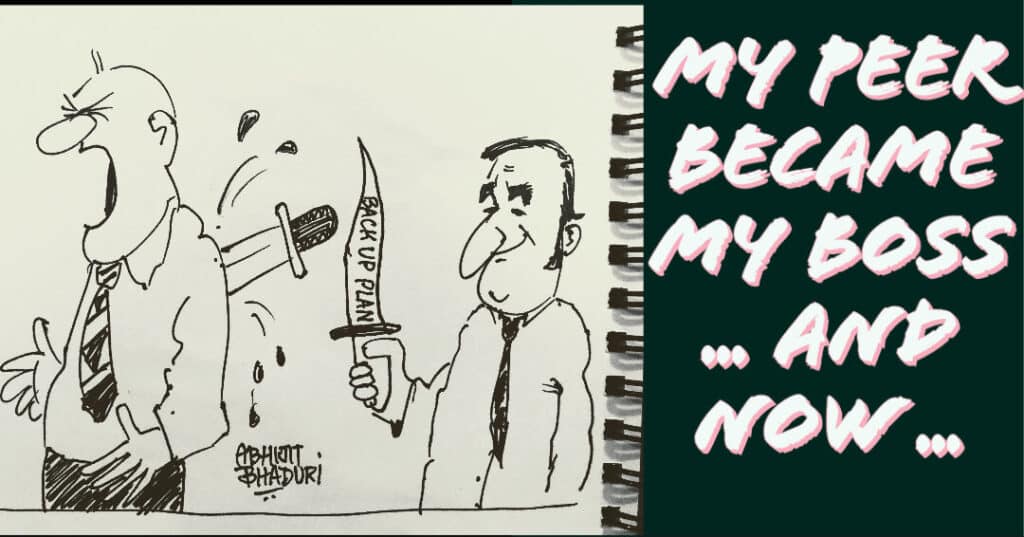
Reporting to someone younger is hurting your ego. Get over that mindset. It is archaic. You may had team members who had more experience or better qualifications than you. The work output is what matters. The years of experience and qualifications has limited value in the job market after a few years. The same goes for credentials. When a song becomes a hit, we do not care how old the singer is and if the singer holds a degree in music. Employers are no different.
As a talent scout, when I went to various educational institutions, I got a great view of which sector attracted the best people. That changed every year. If Consulting got the prime slot in one year, the next year it could be Banking or Retail walked away with the brightest people. People with the same qualification chose different sectors every year depending on a number of factors. Print Media has to discover that element which will encourage them to compete head to head with everyone else for talent. They must, in turn, take a unified view of talent. When it comes to hiring engineers or designers or journalists, the print media has to compete with other employers. The fine balance between work, workers and workplaces is a great place to start.