May 4, 2021
Book Review - Dreamers and Unicorns: How Leadership, Talent and Culture are the New Growth Drivers - Pavan Lall

Book Review - Dreamers and Unicorns: How Leadership, Talent and Culture are the New Growth Drivers - Pavan Lall
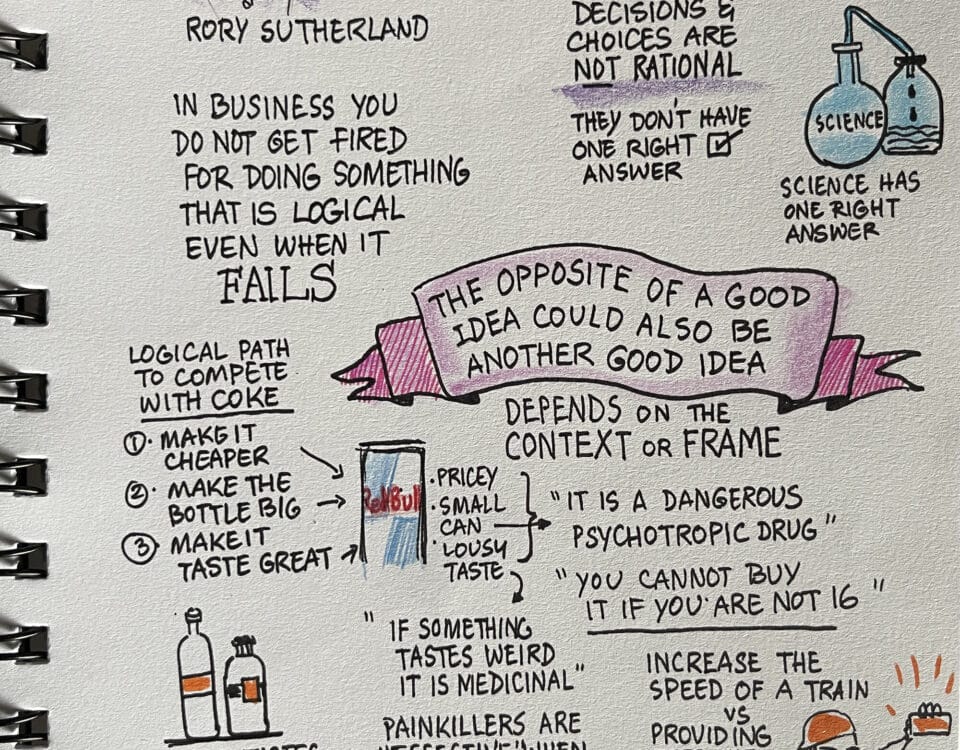
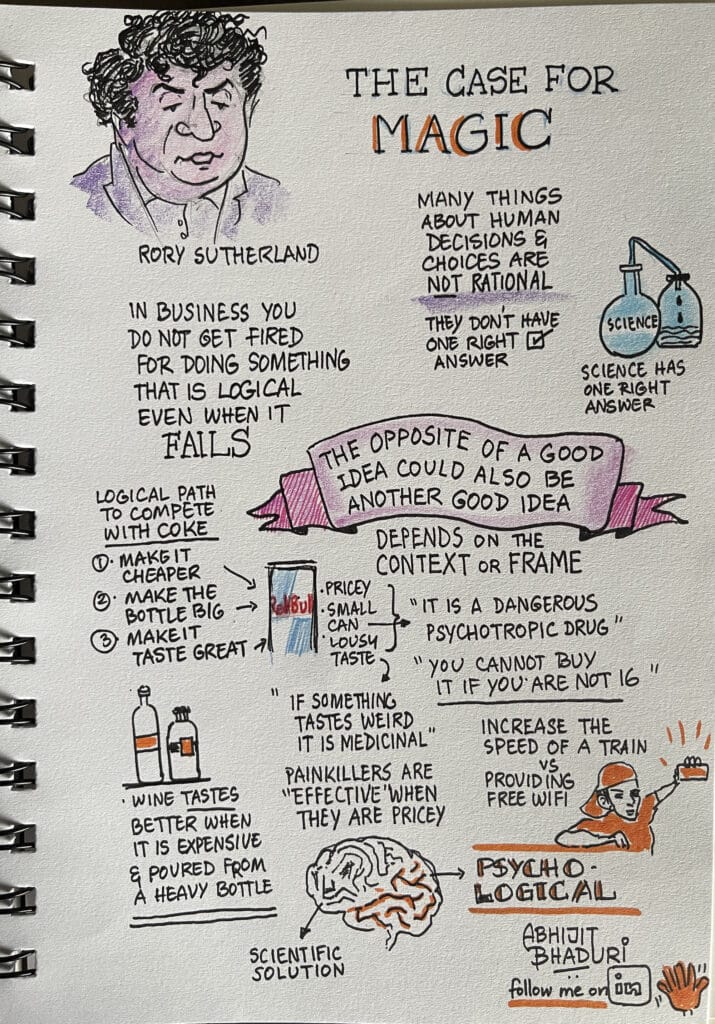
In this book Rory Sutherland builds a case for magic and alchemy. In science, everything has one correct answer. Human behavior and choices are guided by context. Pain killers are more effective when they are effective. Savlon launched an antiseptic liquid that did not “burn” like their competitor Dettol. The consumer complained that Savlon was ineffective because there was no burning sensation. Read my review about Alchemy - a book I really enjoyed.
Most people underestimate the value of likability in their career. When you make a mistake, people are likely to give you a second chance if they like you. Else they will pull out a rule book and tell you why you have not done what you must.
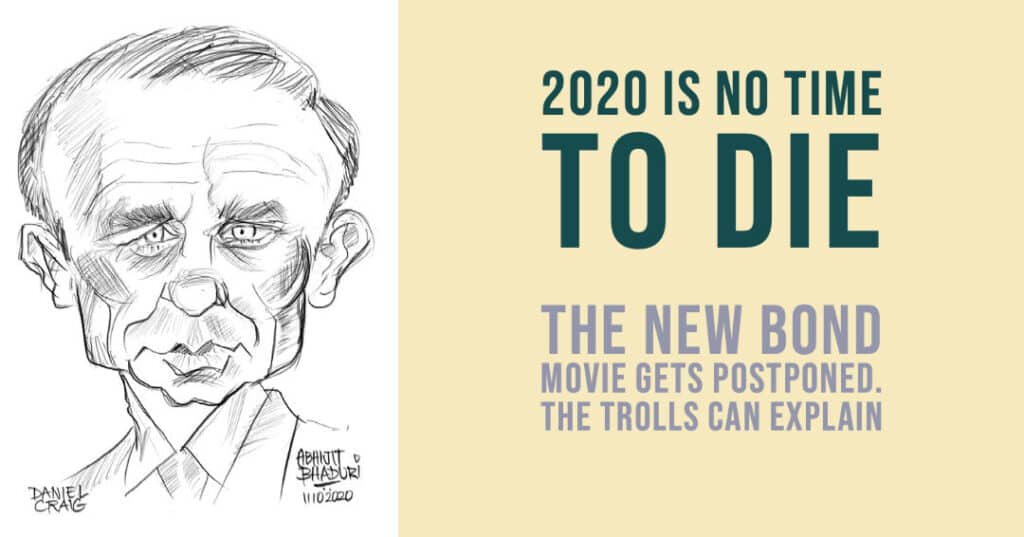
The Man With A Golden Gun beat a retreat. In a year that has seen millions of deaths, he decided he will only live twice (in theatres and small screens) in 2021. I will take a bet that James Bond will appear on the small screen for more viewers than the cinema. 2020 is no time to die. 2021 is unlikely to be different. COVID-19 has been the biggest Market Shaper of all times.
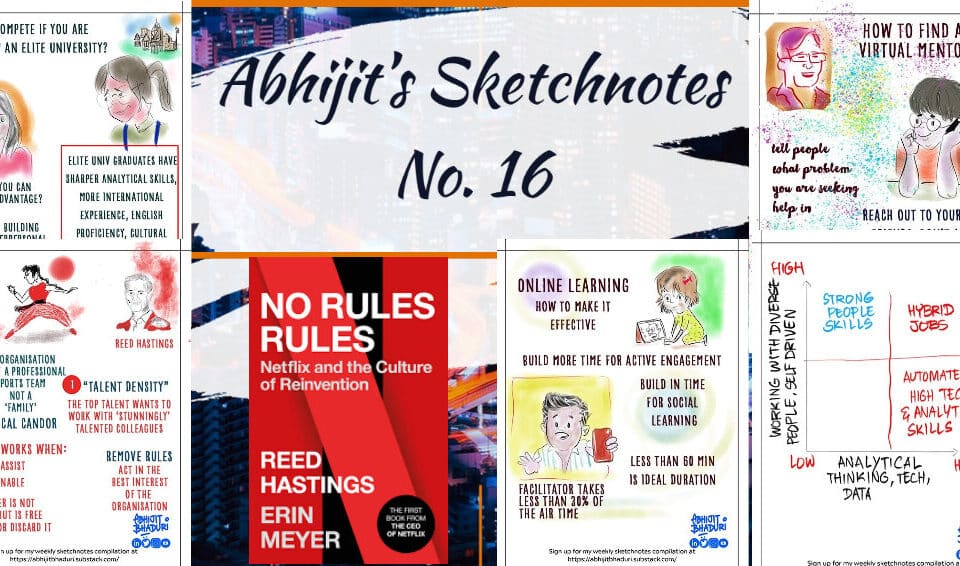
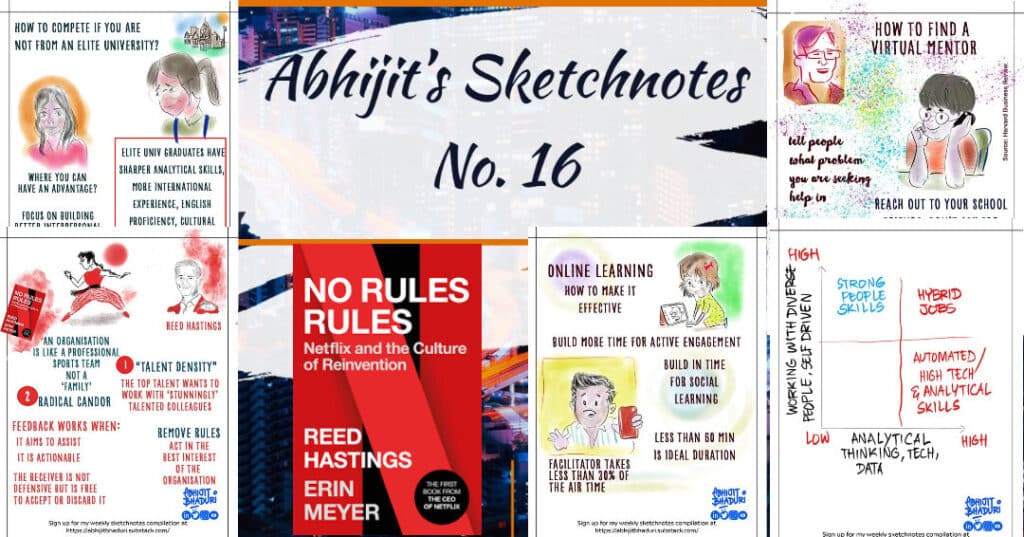
Can you find a virtual mentor even as you are locked up at home? That is what elite universities provide - great teachers and great mentors. Does that justify the premium they are paid? If you are NOT from an elite institute, is there any way you can compete? Yes, and it is something you can do today.
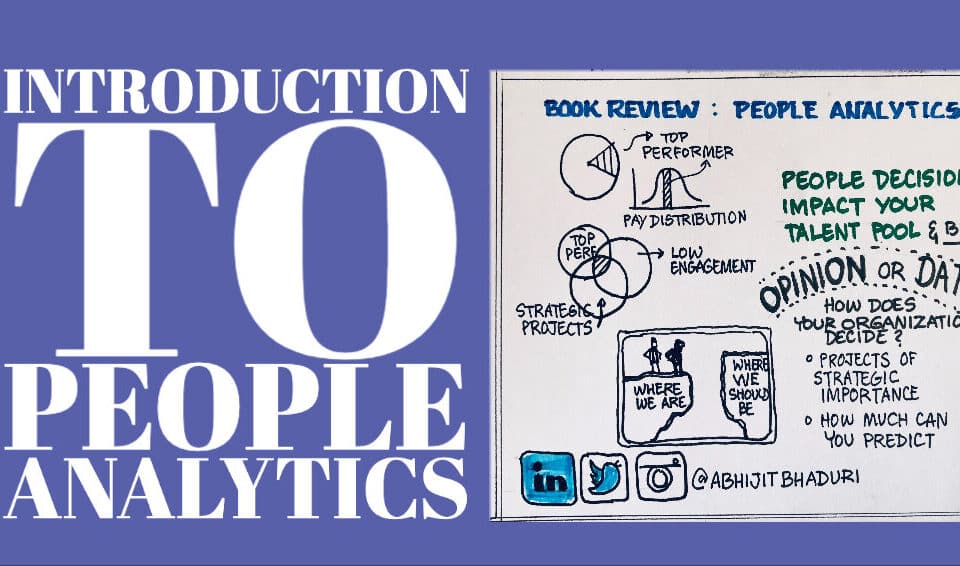
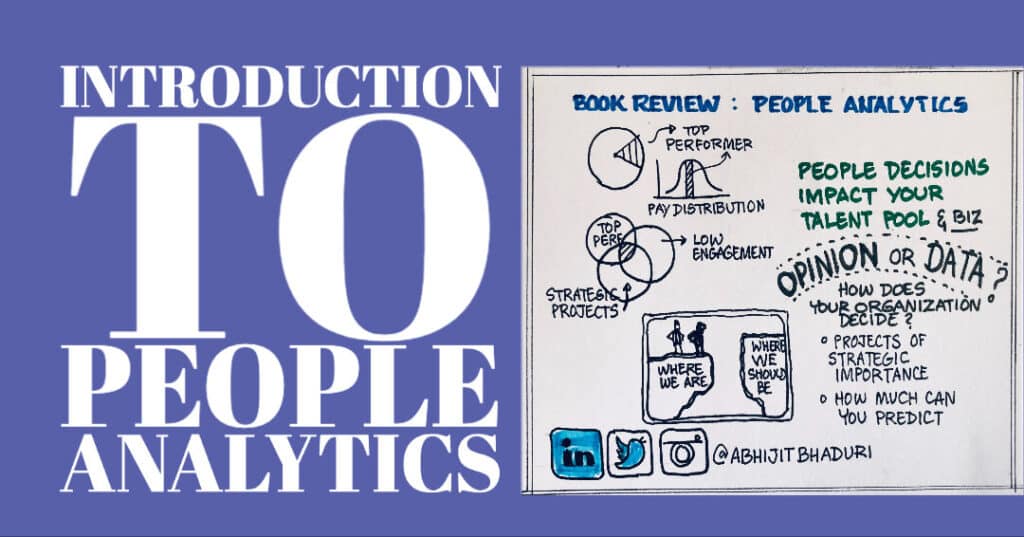
People Analytics will undergo a big shift. How do we build a people function that is relevant for the post-Covid world? HR will need to offer measures of productivity, engagement and skills. Analytics can be a great conversation starter, because it is hard to argue with insights that are data-driven. This book can be a good read for everyone in HR. The line that stayed with me was, “HR will not be replaced by data analytics. But HR people who do not use data and analytics will be replaced by people who do.”
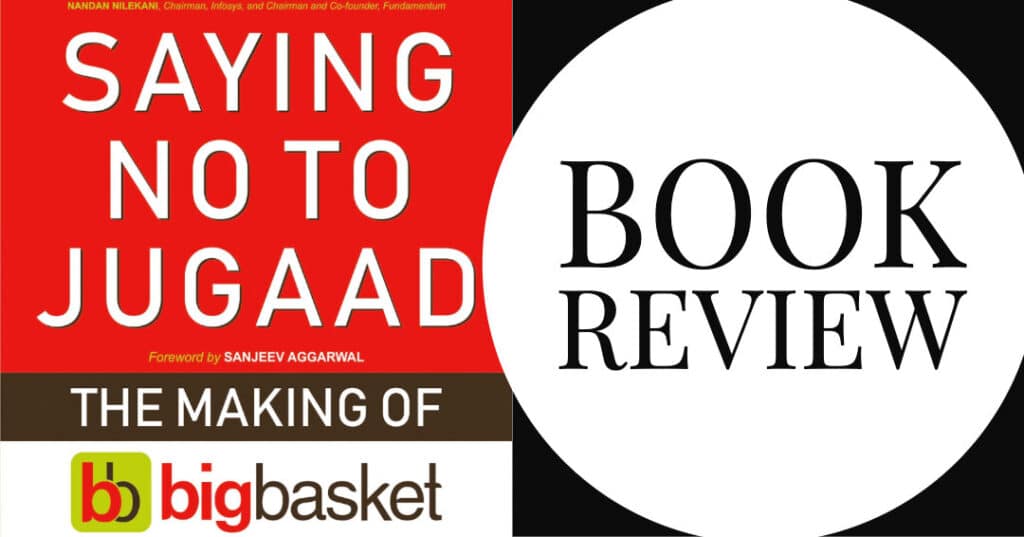
“Saying No to Jugaad” is the story of Bigbasket’s business strategy, culture and its desire to build a culture that puts the customer at the center. There are some interesting questions posed. Is is better to be tech-driven or tech-enabled. Most start-ups fall into one of two categories: a) those that are tech-first, where one of the co-founders is also the CTO. The perspective in these start-ups is often, ‘How can we leverage technology to build new businesses?’; and b) those that are tech-enabled, where the CTO is almost always not a founder. The perspective here is, ‘How can technology enhance the effectiveness of our business?’
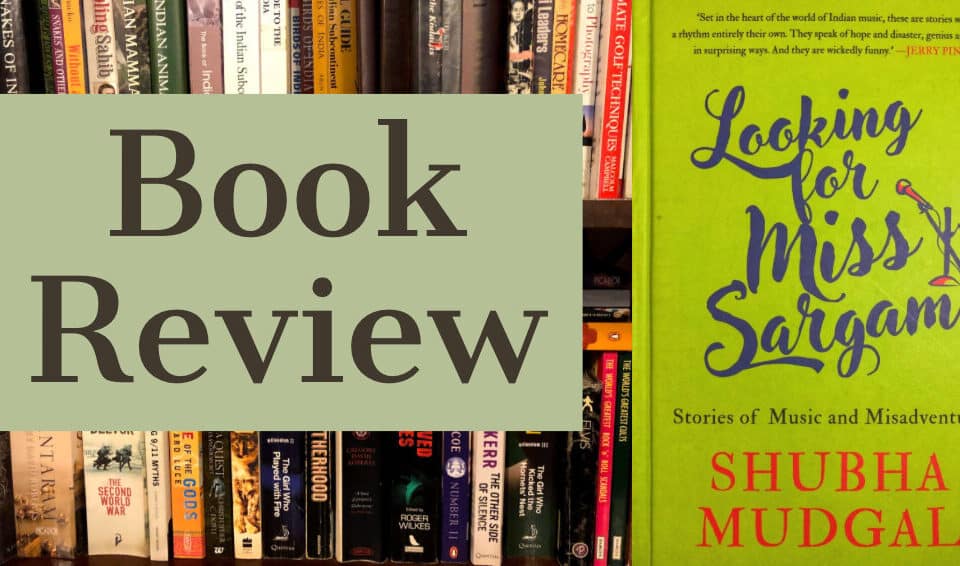
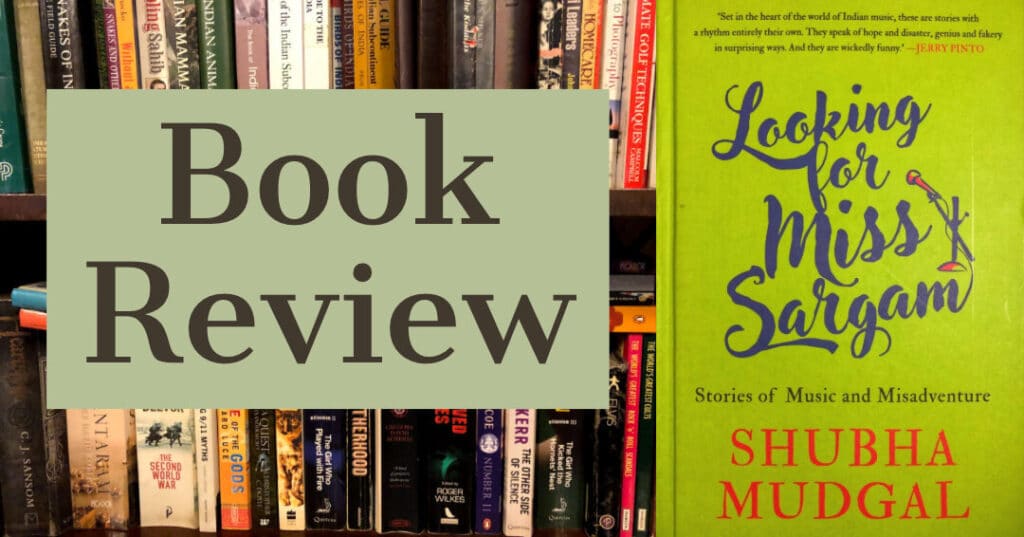
The settings are varied. What goes on behind the scenes when two star musicians from India and Pakistan share the stage in a concert for peace? A small-town music teacher and a big-city businessman team up. They plan a hunt for India’s best new classical talent—and make a few crores in the process? How does it end? Shubha Mudgal writes about these from the point of view of an insider. That is why each story is so true. The tone is funny but there is a tinge of sadness I felt right through even as I laughed. The stories have a wicked humor that comes from someone who has seen these characters at close quarters.