March 7, 2021

Do you recall your childhood memories? Of course you do. But then how do you know that those memories are accurate? Do you have a photograph to prove it? Then your mind may be playing tricks.

Do you recall your childhood memories? Of course you do. But then how do you know that those memories are accurate? Do you have a photograph to prove it? Then your mind may be playing tricks.
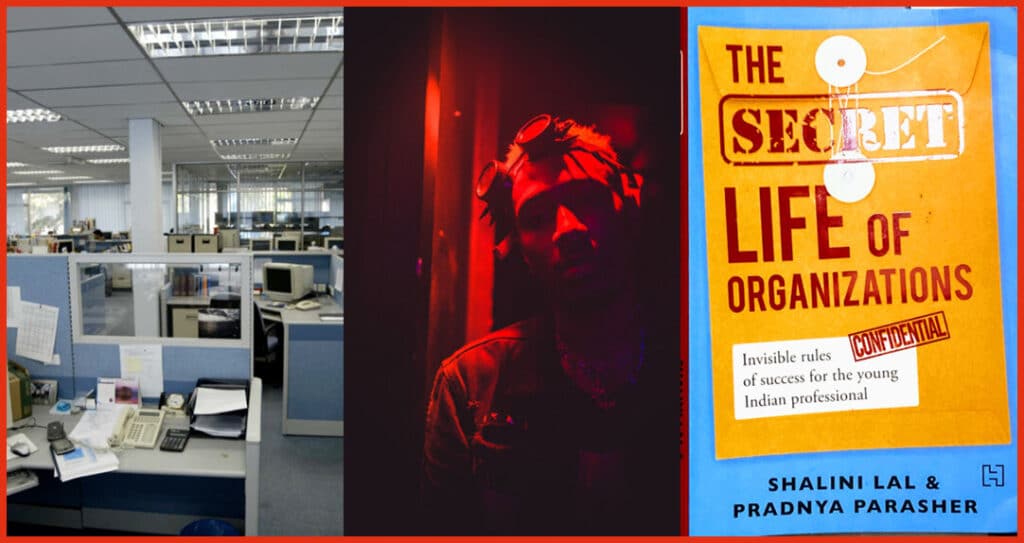
The Secret Life of Organizations written by Shalini Lal and Pradnya Parasher is that map that tells the young Indian professional how to make sense of the chaos in organizations. The authors use their own experience of working across a variety of organizations and their expertise in Organizational Psychology to tell the novice how to decode what they see. They do so with short cases and examples.
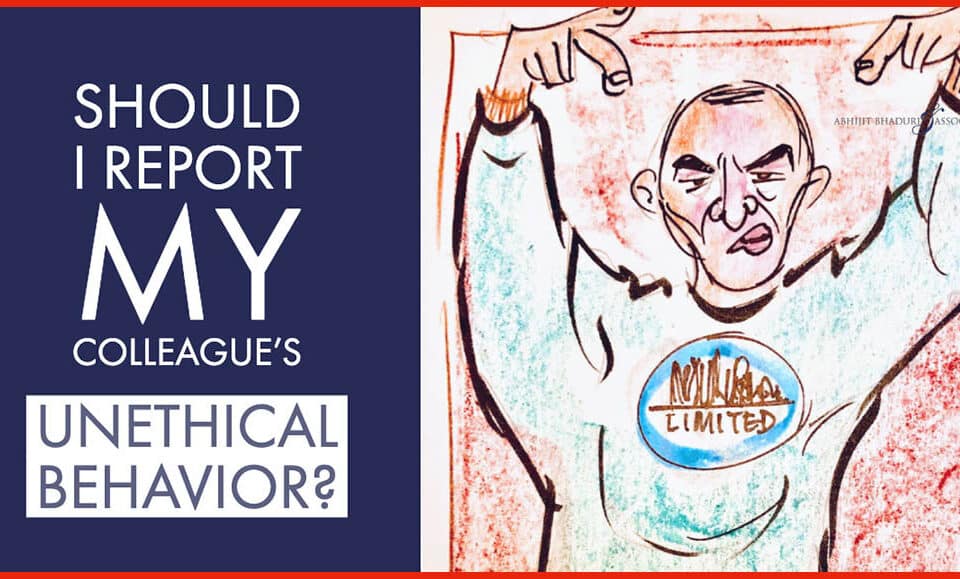
I have been working abroad as an IT specialist for 20 years. Under my stewardship, one of the projects, which was outsourced to an Indian company, faced some delays. Blaming me unfairly for the delay, a co-worker accused me of being racially biased & not protecting the interest of my organization. I was very upset with his accusation and it led to a heated altercation. ... wait there is more to it.
I was being repeatedly challenged to fix a higher target by my boss two levels my senior. Unable to take it beyond a point, I let off some steam and things turned unpleasant between us. This happened in an open office meeting. I now feel awkward facing him. He hasn’t spoken to me since the incident and my immediate superior has refused to intervene. How should I break the ice and maintain continuity at work?
Amazon has filed a patent that makes it possible to interpret users’ emotions and feelings. By analyzing the pitch and volume of speaker commands Alexa will respond to the user’s “feelings”. This could be a huge leap for ecommerce. But this also leaves you more vulnerable. Understanding emotions and moods helps build trust even with machines.
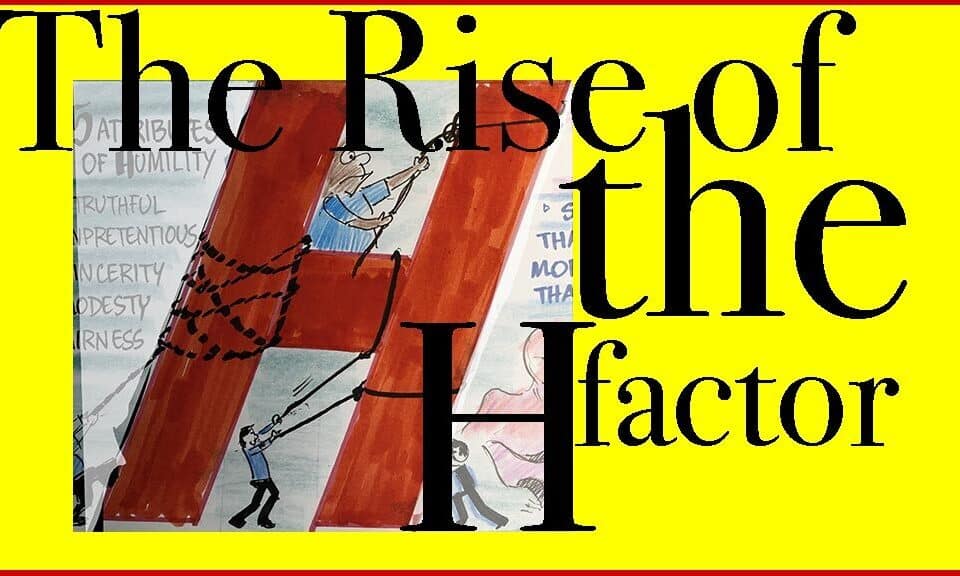
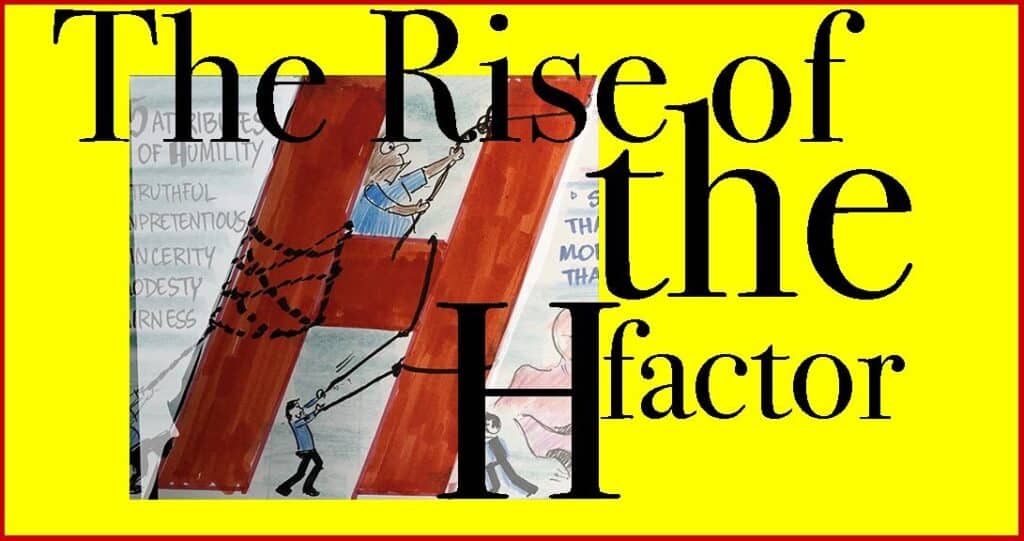
Kibeom Lee and Michael Ashton are convinced that Honesty-Humility is a new personality element that is made up of five attributes: Sincerity, Modesty, Fairness, Truthfulness and Unpretentious behavior. Leaders who are high on "the H -actor" put the spotlight on the team rather than on themselves. While such leaders are high on ambition, they liberally seek help from others and listen to feedback from others. Such leaders handle success without glowing in the I-did-it-all feeling.
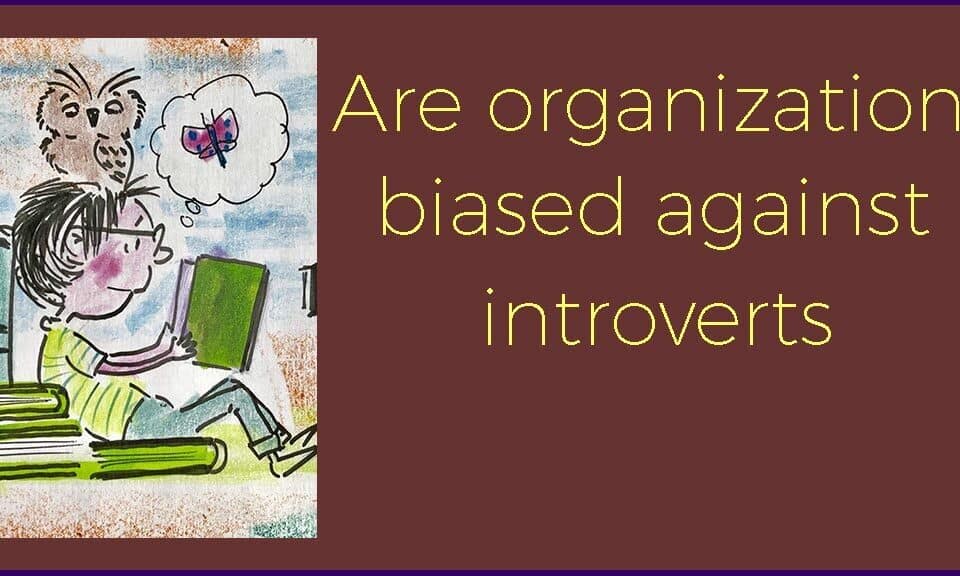
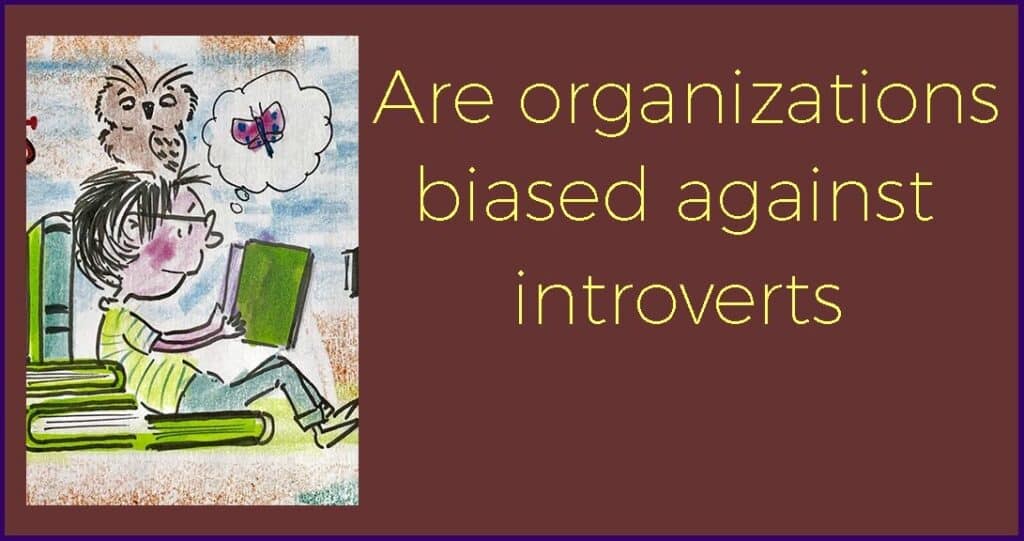
One of three people is an introvert says Susan Cain's research. Yet, we often ignore and fail to leverage the power of the introverts. This book is really about understanding the almost silent ways in which introverts operate. Even in organizations, we idolize people who can speak spontaneously, backslap strangers and who visibly demonstrate action. That really puts the introverts at a disadvantage. Introverts are uncomfortable in offices without walls, unabashed self promoting behavior and visibly appearing confident by monopolizing the conversation.
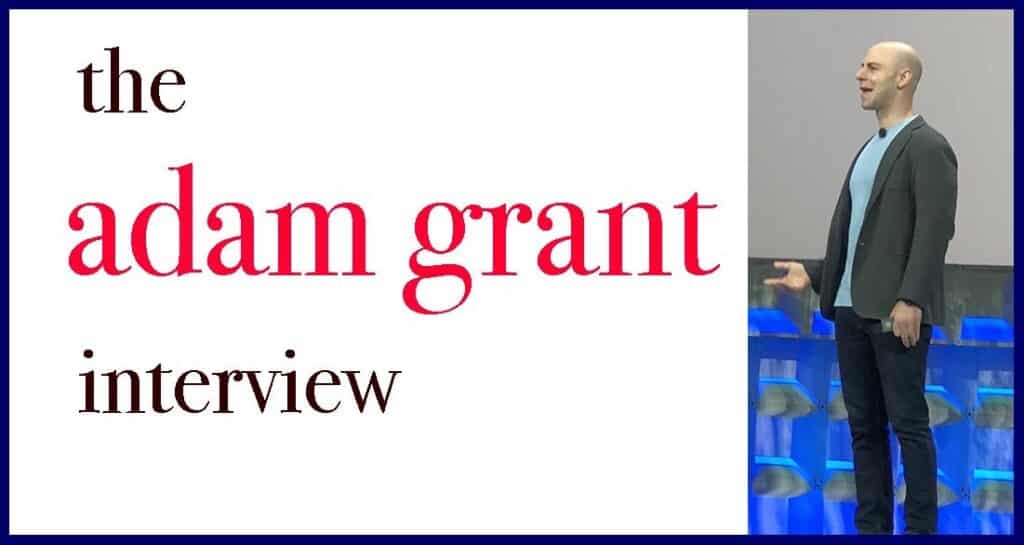
In the long run, the most effective style is not taking or matching, but giving: helping others with no strings attached. Givers tend to build deeper and broader networks than takers and matchers, investing in meaningful relationships that provide motivation, social capital, and access to new ideas. Adam Grant spoke to me about hiring, networking and his own approach to managing time.