The first world was unhappy when India became a nuclear power. Feed the starving and clothe the naked we were told. The same voices can be heard again when we speak of our space mission. Space activity is a wealth generator. India wants to enter the multi-billion-dollar market for space products and services. We are dreamers. Dreamers are irrational. They will pick themselves up, dust themselves and run towards the next moon or moonshot whichever comes first.
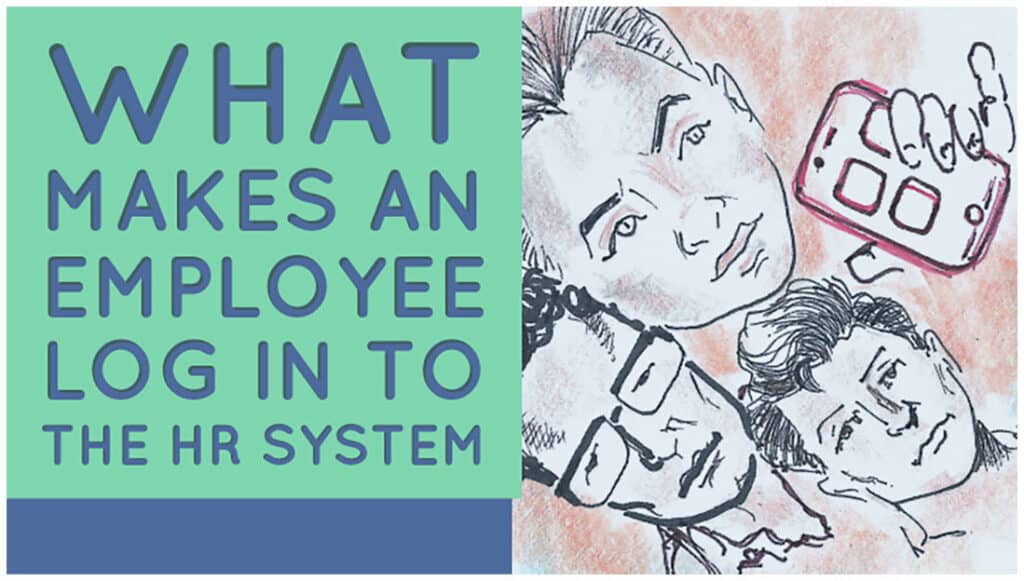
Most organizations aim to get the implementation right. That takes up the customers mindshare. What is often missed is the employees’ adoption. What can the company do to get the employee to log in? Some employers hold training sessions to get users comfortable with the new software. There is another reason that drives adoption by the employees. The flaw I believe lies in the assumption that underlies the design. Most HR systems get designed keeping the employer’s needs in mind. The employee is never the kept at the center. This is when you must ask a question...
One look at Zuckerberg’s testimony before the European Parliament shows how powerless the lawmakers are because they do not understand how modern media works. The US senators were not much better when it came to questioning Zuckerberg. The lawmakers pose for selfies and photos with the very person they intend to grill. Part of the problem was the clear ignorance, if not befuddlement, in the face of technology displayed by most of the senators, many of whom are of a ripe vintage. At times Zuckerberg resembled the polite teenager who visits his grandparents, only to spend the afternoon showing them how to turn on the wifi.
Technology is a tool to solve the business vision. Start by asking why you are doing this. If the discussion is about features and costs, then the project is about cost saving and not employee experience. Ask yourself what are you trying to achieve. Why are you doing this. Having that clarity within the sponsor team or CEO/CHRO is a good sign.
Artificial Intelligence will be the next electricity. Take healthcare. The market for healthcare artificial intelligence tools is expected to surpass $34 billion in the next 18 months. AI will drive $8.6 billion in annual revenue by 2025, contributing to the $34 billion total in software, hardware and consulting. To win this race you have to craft a 3 pronged approach: Data, Tools and Talent.
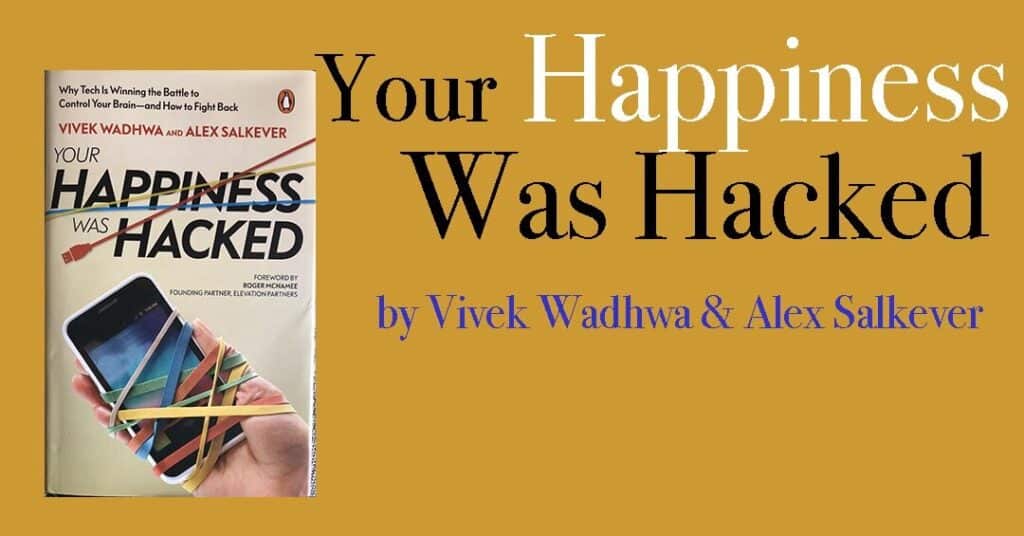
The deluge of information pouring in constantly causes technostress and blurs the line between work and home. Tech makes it convenient to connect and its ease of use has changed how we work. No one speaks enough about the way tech runs our lives.Not just adults, children are impacted very deeply. Children are spending fifty percent less time playing outdoors than their parents. The children spend less time playing with other children and more time with screens. This book tells you how to take back control of your life from tech.
Creating low end jobs is not going to be sustainable. Machines will outperform us every time. It may be hard to build the capability at scale to build techies with deep expertise in Artificial Intelligence. As machines take over from humans, all that is left is creativity and the ability to manage human relationships. That is what India excels at. Instead, India needs to leverage the strengths that it has. It is a culture where relations matter. This is not to take away from the need to build deep tech skills, but to supplement it with something that we may have an advantage in. How do we handle the impact of the 3 factors? Read on...
We filter all the feedback we receive. We filter it based on what we believe is the motive of the person giving feedback. Feedback from a loved one or a trusted person impacts us disproportionately. Even a stranger’s feedback can have sharp impact when we know that the person giving the feedback has no axe to grind.When people receive 360-degree feedback (much of which is anonymous), we spend time figuring out who could have said what. That is just human nature. It helps us put the feedback in context. Anonymous feedback does not drive change in individuals. It works for organisations. But that is not Sarahah’s target audience. It is aimed at colleagues and friends