I always believe that a transition is like the trapeze act you may have seen. When a performer releases the bar and is caught by another performer, the "catcher," who hangs by his or her knees on another trapeze. After the first performer leaves the trapeze bar and is held by the colleague, for a brief period of time the performer is in mid-air without any support. Transitions are like that in-between moment. They are scary but manageable.
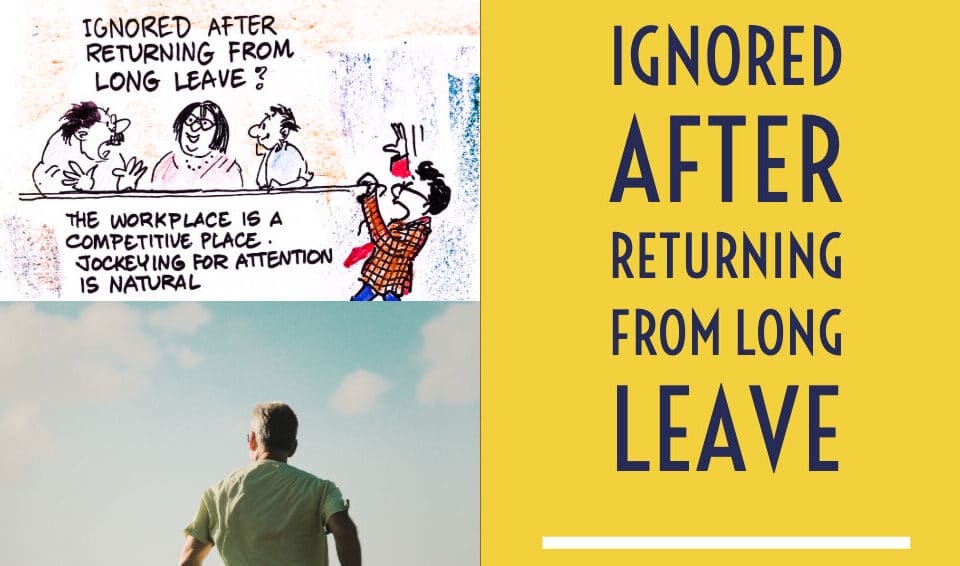
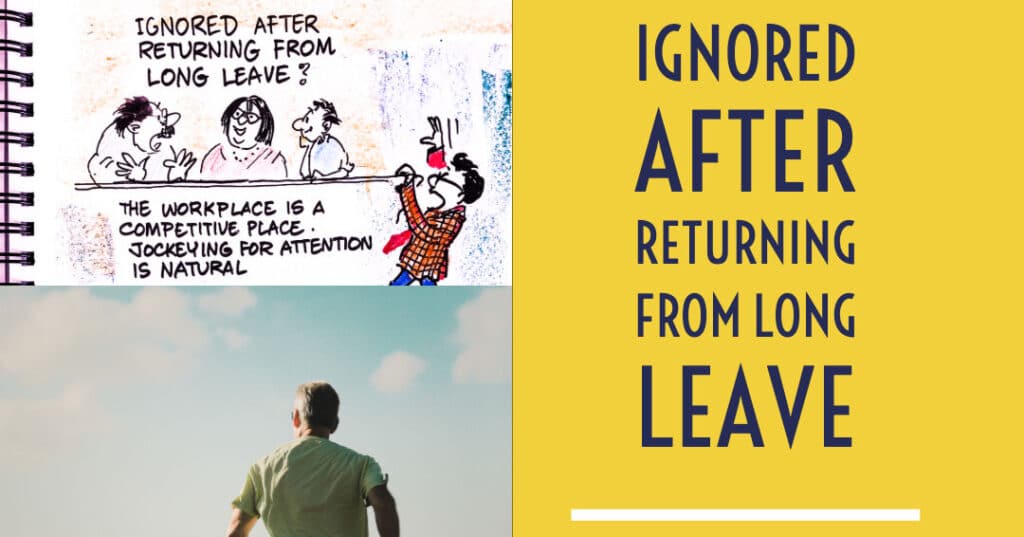
I had taken a sabbatical of 2 1/2 years due to medical reasons. I resumed work after full recovery. on my return, I am being treated differently by my coworkers and managers, who think I am still unfit. I’m not given key assignments. And whenever some crucial work comes my way, it is on sympathetic grounds. Even if they involve me in certain activities, it’s merely a formality. I feel very isolated. What should I do to ensure my career get a boost and I am treated equally at the workplace?
Very often organizations launch an initiative with great fanfare. When the dust settles, people move on to their desk and carry on doing their work as usual. Genpact seems to have found a way to sustain this massive exercise. The leadership team has taken it upon themselves to celebrate learning and the people driving the agenda - the employees.The CEO of Genpact recognizes the gurus and experts in every town hall. He celebrates the guru who has done the maximum amount of skill building. The clients are told about this. The CHRO and the Chief Innovation Officer talk about Genome to the clients and the employees at every possible opportunity. The result is that skill building is not a metric tracked by the L&D team, the agenda is part of the business conversation every day.
Mentoring someone needs someone to have the skills as well as the desire to invest time and commit towards your success. Else many mentors simply use the time to tell the mentee about their own achievements. Being a good listener and having empathy makes someone a good mentor.Create a Board of Mentors from your own organization. Build a set of 4-5 people you will seek advice from. I have always had a group of mentors to learn from. I find it wonderful to get a variety of ideas and perspectives on the same problem.
To help employees build the habit of learning, providing them some slack time to learn and reflect plus the opportunity to try it out at work and get feedback.
The outplacement firm acts as a bridge between the last employer and the potential employer. More often than not, the discharged employee tries to land a role in a firm within the industry. However, that is not always the case. In fact, post-layoff is a great opportunity for individuals to use this event as an opportunity to change to a different industry or to stay within the same industry but change roles. Finally, the most liberating option may be to use the career coach to explore a transition to a completely different career altogether.
Narcissists focus on looking good themselves. They often do not grow the second line of leaders, so that there is no one who has the “stature to challenge their decisions”. Many start-ups are as guilty of not investing in building a second rung of empowered and capable leaders.There could well be a better choice than choosing between the two extreme leadership models that we have seen. The price is paid by the employees and common investors. This must change.
The settings are varied. What goes on behind the scenes when two star musicians from India and Pakistan share the stage in a concert for peace? A small-town music teacher and a big-city businessman team up. They plan a hunt for India’s best new classical talent—and make a few crores in the process? How does it end? Shubha Mudgal writes about these from the point of view of an insider. That is why each story is so true. The tone is funny but there is a tinge of sadness I felt right through even as I laughed. The stories have a wicked humor that comes from someone who has seen these characters at close quarters.