
Every story ever told — from ancient myths to modern blockbusters — follows one of seven basic plot structures that tap into universal human emotions and desires. Understanding these narrative frameworks, story archetypes, and plot patterns can transform how you communicate, sell, and lead.
Before you start reading, make a list of ten movies you have loved. Now start reading.
Story Structure 1: Overcoming the Monster
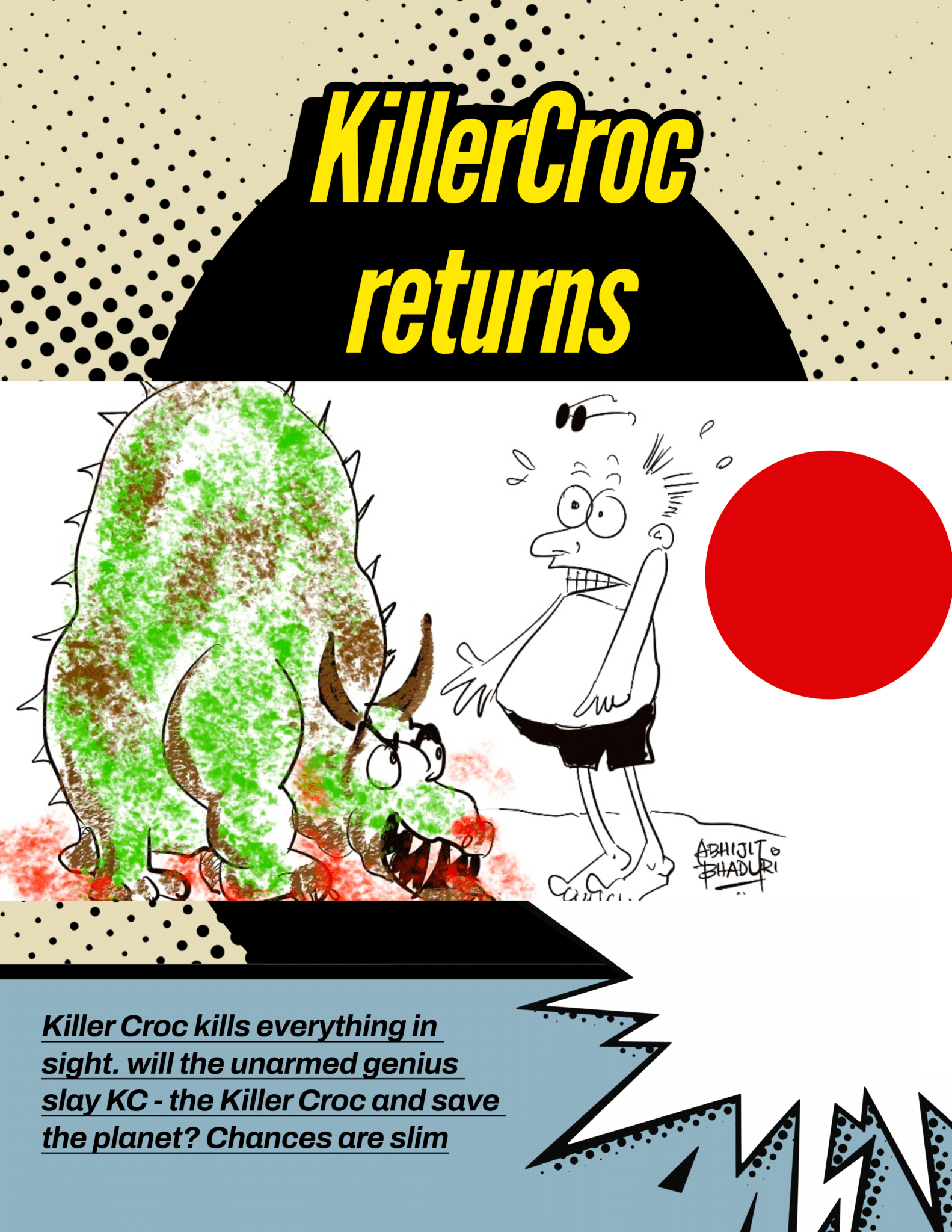
A hero faces something terrifying. A villain, a predator, a system, a disease, a competitor. The monster is bigger, stronger and more powerful than the hero appears to be. Everyone doubts the hero can win. The hero steps forward anyway, finds a courage they did not know they had, confronts the monster directly and destroys it. The world is made safe. The community survives.
The emotional engine is the oldest one in human biology. We evolved in a world of genuine predators. Our brains are still wired to respond to threat with a surge of attention and a desperate need to see the danger defeated. When a monster appears and someone steps forward despite genuine fear, something ancient in us wakes up and refuses to look away.
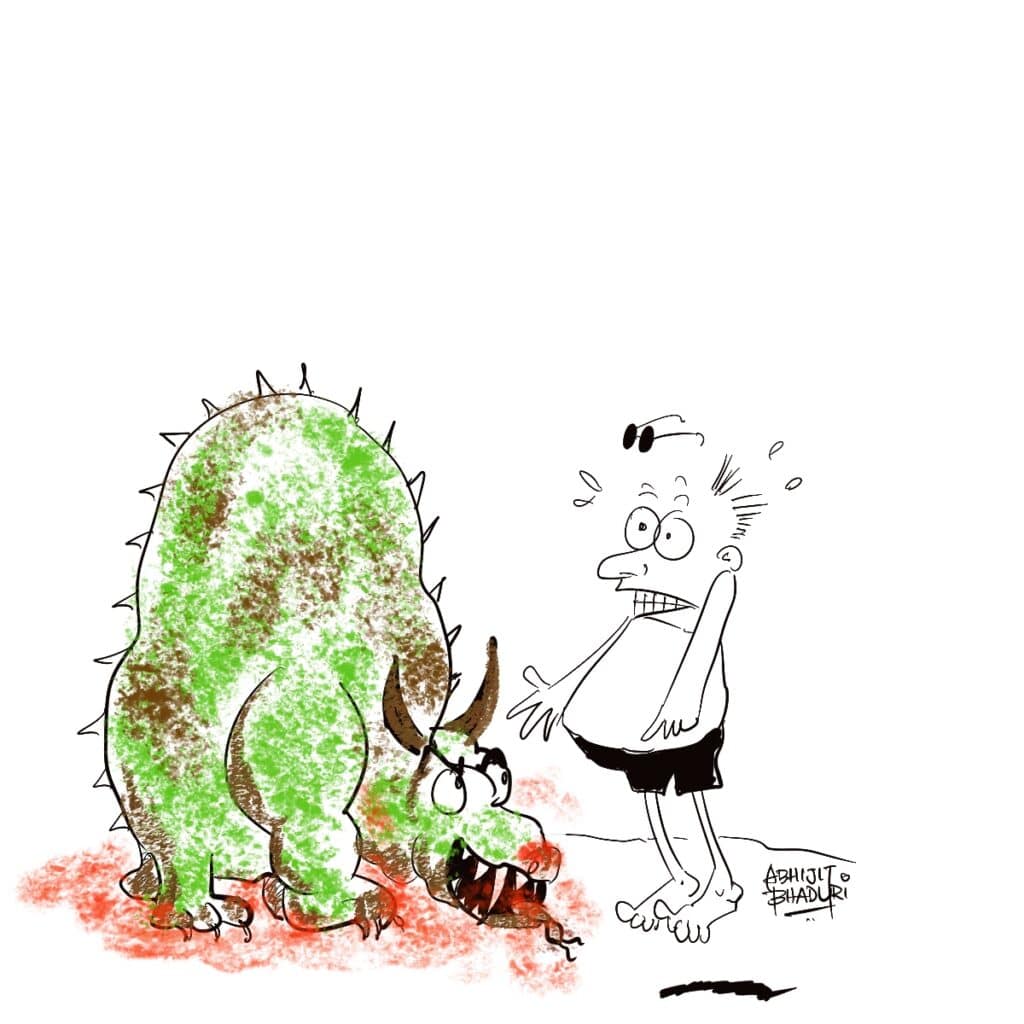
Jaws (1975) is the definitive example and probably the most culturally embedded monster story in cinema history. A police chief terrified of water. A great white shark eating his community alive. A tiny boat. One explosive tank. The moment Brody climbs the mast and fires that final shot has been watched by more humans than almost any moment in modern cinema. It works because the monster is genuinely terrifying and the hero is genuinely afraid. The courage is real because the fear is real.
Lagaan (2001) is the Bollywood monster story that entered permanent cultural memory. A drought-stricken village is challenged by a colonial officer to beat the British Army at cricket or pay triple taxes for three years. The monster is not a creature. It is an empire. A four-hundred-year-old assumption that certain people exist to be ruled. Bhuvan steps forward. Four hours later half of India was in tears. The film became a global phenomenon and was nominated for the Academy Award for Best Foreign Language Film.
How to Use It
Startup pitch: Open by naming the monster your industry is living with. Not a trend. Not a challenge. A genuine monster that is costing people money, health, time or dignity right now. Make it vivid and specific. Then show exactly why existing solutions have failed to kill it. Then introduce your company as the hero with the one weapon that actually works. The investor’s brain will do the rest.
B2B sales: Every buyer is sitting across from you with a monster in the room. A problem costing them revenue, reputation or sleep. Most salespeople walk in with features and case studies. Walk in instead and name their monster first, accurately and specifically. When you demonstrate that you understand what they are actually afraid of, they stop evaluating you and start listening to you. Name the monster. Show it is beatable. Position your solution as the weapon and yourself as the guide who has helped others defeat this exact monster before.
Hiring top talent: The best candidates are not looking for a job. They are looking for a fight worth having. Tell them about the monster your company exists to defeat. Make it real. Make it consequential. Make them feel what it would mean to be part of the team that kills it. Nobody leaves a comfortable job for a salary. They leave for a monster worth fighting.
Story Structure 2: Rags to Riches
The Structure
A person born into poverty, obscurity or powerlessness is revealed through trials, setbacks and transformation to possess extraordinary worth. They rise. They fall back once, painfully, in a way that feels fatal. Then they rise again and this time they stay risen. The ending restores justice. The person who was always deserving finally receives what they were always owed.
The emotional engine is our obsession with status. We are all, at some level, the person who suspects the world has underestimated us. The Rags to Riches story is the fantasy of being finally, completely, justly seen for who you actually are. It works because it answers the question every human being is quietly asking: does effort and character actually matter, or does the world only reward the already privileged?
Hollywood
Rocky (1976) is the most universally recognised Rags to Riches story in Hollywood history. A club boxer in Philadelphia nobody believes in gets one shot at the world heavyweight champion. The training montage set to Bill Conti’s score is one of the most copied sequences in film history because it does something precise to the human nervous system. It makes you believe that refusal to quit is enough. The film won three Academy Awards including Best Picture and spawned one of the longest-running franchises in cinema history.
Dangal (2016) became the highest-grossing Indian film in history at the time of its release and made over two billion dollars worldwide, with a remarkable portion of that coming from China. Mahavir Singh Phogat trains his daughters to become world-class wrestlers in a country that has decided girls cannot do this. The rags are real. The prejudice is real. The gold medal is earned through a story so emotionally precise that it crossed every cultural boundary on earth.
How to Use It
Startup pitch: Tell the founding story as a Rags to Riches narrative. Where did you start? What did everyone tell you was impossible? What did you discover when nobody was watching that made you believe anyway? The fall in the middle is essential. The moment when it almost did not work is the moment investors lean forward. A founding story with no setbacks is a founding story nobody believes.
B2B sales: Use this structure for your customer case studies. Do not start with the solution. Start with where the customer was before you arrived. Make the before state vivid and specific. Show the moment they realised their existing approach was failing. Then show the rise. The transformation lands hardest when the starting point is clearly understood. A case study that begins with the solution is like watching Rocky starting from the championship fight. You need the basement gym first.
Hiring top talent: When recruiting exceptional people, tell the company’s Rags to Riches story honestly. Where did you start? What did you get wrong? When did it almost not work? Talented people are not impressed by perfection. They are energised by genuine struggle followed by genuine progress. Show them the journey, not just the destination. The candidate who hears the real story will trust you. The candidate who hears only the highlight reel will wonder what you are hiding.
Story Structure 3: The Quest
The Structure
A hero must travel toward a distant goal that seems clear at the start. The journey is long, dangerous and full of obstacles and companions. Each obstacle tests a quality the hero did not know they needed. Each companion brings a different wisdom or failure. The destination arrives and it means something completely different from what anyone expected at the beginning. The hero who arrives is not the person who departed.
The emotional engine is our need for purpose. We are creatures who require something to move toward. The Quest gives life its direction, its meaning and its structure. We do not just want the hero to reach the goal. We want to watch them become worthy of it. Because that is what we are all attempting to do with our own lives and careers.
Hollywood
The Lord of the Rings: The Fellowship of the Ring (2001) is the defining modern Quest story. A hobbit who has never left his village must carry the most dangerous object in existence to the one place it can be destroyed. Every obstacle is designed to test a quality Frodo did not know he needed. The films made over three billion dollars across the trilogy not because of the landscapes or the battles but because of Sam Gamgee carrying Frodo up the mountain at the end. That image broke audiences worldwide because it was not about fantasy. It was about what friendship actually is.
Watch the Fellowship of the Ring trailer
Bollywood
Zindagi Na Milegi Dobara (2011) made over a billion rupees and sent an entire generation of young Indians booking flights to Spain. Three friends on a road trip across Europe, each carrying something heavy they cannot name, each being slowly forced by the journey to put it down. The film understood what most Quest stories miss. The journey is not the obstacle between you and the destination. The journey is the destination.
How to Use It
Startup pitch: Frame your company’s journey as a Quest. Where did you begin? What companions joined you and why? What obstacles forced you to discover capabilities you did not know you had? What does the destination look like now compared to what you imagined when you set out? The Quest pitch works because it makes investors feel they are joining the journey at an important moment, not simply writing a cheque.
B2B sales: The Quest structure works powerfully for long sales cycles. Position the sales process itself as a shared quest toward the buyer’s goal. You are not a vendor. You are a companion on their journey. Each meeting is a stage on the road. Each obstacle you help them navigate builds trust and deepens the relationship. The deal closes not because you convinced them but because you walked far enough of the road together that turning back made no sense.
Hiring top talent: The best talent wants to join a Quest, not fill a role. Describe where your company is going and what the journey will require. Be honest about the obstacles still ahead. Show them where they would fit in the Fellowship. The candidate who joins because they believe in the destination will outperform the candidate who joined because the salary was highest. Every time.
Story Structure 4: Voyage and Return
The Structure
A protagonist leaves their familiar world and enters one that operates by completely different rules. Strange things happen. The strangeness is not random. Every disorienting encounter in the other world is a mirror held up to the world they left. When they return home they see it clearly for the first time. They cannot go back to not seeing it. The voyage gives them a perspective that staying home never could.
The emotional engine is the human hunger for perspective. We are all trapped inside our own assumptions about how things work. The Voyage and Return story offers the fantasy of stepping outside that trap and the permanent gift of clearer vision when you return. It is also quietly one of the most subversive structures because it always ends with the hero knowing something the people who stayed behind do not.
Hollywood
The Wizard of Oz (1939) has been watched by more humans than almost any other film in history and has been in continuous broadcast somewhere in the world for over eighty years. A farm girl lands in a place where her rules no longer apply. She travels a yellow brick road. She meets a wizard who turns out to be an ordinary man behind a curtain. She goes home and understands something about home she could not have understood without leaving. The ruby slippers worked all along. She just needed to go away to find out.
Bollywood
Swades (2004) underperformed at the box office on release and has grown into one of the most quietly influential Indian films ever made. A NASA scientist returns to rural India and discovers that the world he left behind contains something the world he built his career in cannot give him. Shah Rukh Khan’s performance works because his character genuinely does not know when he arrives what he is looking for. The voyage reveals it. The film asks a question that an entire generation of Indian professionals living abroad has sat with ever since.
How to Use It
Startup pitch: Use this structure when your company was born from an outsider perspective. You came from a different industry, a different country or a different discipline and saw something the insiders had stopped seeing. The voyage gave you the view that people inside the problem could not access. That outside perspective is your competitive advantage. Name it clearly and show what you saw that nobody else could.
B2B sales: This structure is powerful when your solution comes from a completely different category than the buyer expects. You are not another version of what they already have. You come from somewhere else. You bring a perspective the industry has not encountered. Show them what you saw from outside their world. Let them experience the defamiliarisation. The sale closes when they see their own problem through your eyes and realise they cannot unsee it.
Hiring top talent: When recruiting people with non-traditional backgrounds, use the Voyage and Return frame to help them understand why their outsider perspective is an asset rather than a liability. You are not hiring them despite the fact that they come from somewhere different. You are hiring them because of it. The team that has only ever seen one world will keep solving problems the same way. The person who has been somewhere else and come back brings the view from outside.
Story Structure 5: Rebirth
The Structure
A protagonist who has closed themselves off from the world, from connection, from warmth, from any kind of vulnerability, is cracked open by something they cannot control or dismiss. A ghost. A child. A dying friend. An unexpected love. The wall comes down. The person underneath is revealed to have always been capable of the very thing they spent their life avoiding. The community is restored. The cold becomes warm.
The emotional engine is the secret question every person carries. What would happen if I let someone in? The Rebirth story exists to answer it. It works on the deepest audience because every person alive has built a wall somewhere. Around some feeling, some person, some kind of risk. And every person alive has wondered, in a quiet moment, whether the wall is protecting them or imprisoning them.
Hollywood
Good Will Hunting (1997) is the Rebirth story that has reached the deepest into modern culture. A genius from South Boston who uses his intelligence as a weapon to keep everyone at a safe distance. A therapist with his own wall. Two broken men in a small office. The scene where Robin Williams says it is not your fault, again and again, until the wall finally collapses, has been watched over fifty million times on YouTube alone. It works because it is not about therapy. It is about what it costs to stay closed and what it feels like when you finally stop.
Watch the It’s Not Your Fault scene
Bollywood
Dil Dhadakne Do (2015) is the Bollywood Rebirth story that spoke most directly to a generation of urban professionals. A wealthy family on a cruise, every member of which has sealed off something true about themselves behind a performance of success. The film works because it refuses to make any of the walls the villain. They are all just people who got hurt and did not know another way to survive. The rebirth, when it comes, is quiet and earned and completely convincing.
How to Use It
Startup pitch: Use the Rebirth structure when your company’s origin story is one of transformation. The founder who worked inside the broken system for years, saw what everyone else had stopped seeing, and finally could not stay closed to the truth of what needed to change. The company was born in the moment the wall came down. That is a compelling origin story because it is specific, personal and irreversible.
B2B sales: Rebirth works powerfully in sales situations where the buyer has been burned before. They have a wall. They built it because the last vendor did not deliver. The worst thing you can do is pretend the wall is not there. Acknowledge it. Show that you understand why it exists. Then, slowly and specifically, give them the evidence that allows them to let it down. The sale that closes after genuine trust is rebuilt is the sale that produces the longest client relationship.
Hiring top talent: Some of the best candidates you will ever meet are people who had a bad experience somewhere else and built a wall around their ambition. They stopped trusting organisations. They stopped believing that a company could actually mean what it says. Do not try to argue them out of the wall. Show them the specific evidence that this place is different. Let them test it at their own pace. The candidate who lowers their wall and joins you will bring everything they held back from the last place.
Story Structure 6: Comedy
The Structure
Multiple characters, each operating from a completely wrong set of assumptions about how other people work, collide with each other. The collisions are funny, painful or both. Gradually each character is humiliated into seeing where their model of the world was wrong. Misunderstandings are resolved. The community is restored. People who were kept apart by their own wrongness finally find each other. The ending is reunion and recognition.
The emotional engine is the comedy of social life itself. We are all confidently wrong about other people in specific and predictable ways. The Comedy plot takes that universal human experience, turns it up to a visible and amusing level, and then resolves it into connection. We laugh because we recognise ourselves. We are moved at the end because the connection feels earned.
Hollywood
When Harry Met Sally (1989) is the Comedy structure at its most perfectly executed. Two people who are each completely wrong about what they want from relationships and from each other, crossing paths repeatedly over twelve years, each collision revealing a little more of the gap between their theory of the other person and the actual other person. The final scene in the New Year’s Eve party has been quoted in proposals and wedding speeches for thirty-five years because it understood something true about how love actually works. It arrives when you stop being right about it.
Bollywood
Andaz Apna Apna (1994) was a commercial failure on release and has since become possibly the most quoted film in the history of Indian cinema. Two young men each convinced they are more clever, more charming and more deserving than the other, competing for the same wealthy woman, both spectacularly and repeatedly wrong about everything. It became a cult classic because it understood that the characters are not funny because they are stupid. They are funny because they are so confidently, completely and recognisably human.
Watch the Andaz Apna Apna trailer
How to Use It
Startup pitch: Use Comedy structure when pitching a product that solves a problem created by two parties who each think the other is the problem. Marketplace businesses, platform companies and mediation tools all live in this territory. Show the audience the gap between what each side thinks the other wants and what they actually want. Your product is what happens when the misunderstanding finally gets resolved. That is both the joke and the solution.
B2B sales: The Comedy structure is the most underused frame in sales. Use it when you want to show a buyer why their current situation is producing worse results than they realise. Not by making them feel foolish but by showing them the gap between what they think is happening and what is actually happening. Done well this creates the experience of suddenly seeing something that was always there. The buyer laughs first and then writes the purchase order.
Hiring top talent: Use Comedy framing in employer branding when your culture is genuinely collaborative and self-aware. Show the real misunderstandings that happen in your organisation and how they get resolved. Show leaders being wrong and admitting it. Show teams navigating confusion with good humour. Nothing attracts talented people faster than a company that is honest about its imperfections and funny about the process of fixing them. Performed perfection repels great candidates. Honest comedy pulls them in.
Story Structure 7: Tragedy
The Structure
A gifted, often initially successful protagonist is destroyed by a flaw they cannot or will not fix. Every opportunity to change is offered and refused. The warning signs are visible to everyone around them and to the audience but not to the protagonist. The fall is not accidental. It is the inevitable destination of a specific kind of wrongness pursued to its logical end. The community is damaged. The lesson is permanent.
The emotional engine is the most honest one in all seven plots. Not everyone changes. Not every flaw gets healed. Some people and some organisations choose their story over their survival. Watching that choice play out, with terrible precision, is one of the most powerful experiences fiction can provide because it carries the weight of genuine warning. This is what it looks like when nobody blinks.
Hollywood
The Godfather (1972) is the tragedy that has entered the deepest into Western cultural memory. Michael Corleone begins as the one family member who refused the life. He ends as the thing he refused. Every step of his journey is a choice he could have made differently. The tragedy is not that the Corleone world was too powerful to escape. The tragedy is that Michael was too proud and too controlled to take the exit that was offered to him repeatedly. He chose the fall. That is what makes it devastating rather than merely sad.
Bollywood
Devdas has been made three times in Indian cinema but the version that defined a generation is Devdas (2002) directed by Sanjay Leela Bhansali. A man who loves genuinely but cannot match his love with courage. Every chance to choose differently is taken and wasted. The destruction is total and entirely self-authored. The film made over three hundred million rupees and confirmed what Indian audiences already knew. The tragedy that hurts most is not the one caused by fate. It is the one caused by a person who could see the door and chose the wall.
How to Use It
Startup pitch: Use Tragedy structure carefully and sparingly. The most powerful way to deploy it is as a cautionary tale about the market before you introduce your solution. Here is what happens to companies that do not solve this problem. Here is what the flaw looks like when it is left unaddressed. Here is the fall that is coming for anyone who refuses to change. Then position your company as the alternative ending. The investor who has seen a Tragedy play out in their portfolio will respond to this immediately.
B2B sales: The Tragedy structure is your most powerful tool for creating urgency without manufacturing false pressure. Show the buyer what happens to organisations that ignore this problem. Be specific. Use real examples if you can or anonymised patterns if you cannot. The tragedy is always the story of a flaw that was visible and unaddressed until it was too late. Let the buyer see themselves in that story just long enough to feel the weight of it. Then show them the choice that changes the ending.
Hiring top talent: Use Tragedy framing when you want to attract people who are motivated by genuine mission. Show them what happens in the world if the problem your company is solving does not get solved. Make the cost of inaction vivid and specific. The candidate who joins because they have genuinely felt the weight of that potential tragedy will work with a commitment that no compensation package can replicate. They are not working for you. They are working against the fall.
Which Story Structure Works Best for B2B Sales
The answer most people reach for is Rags to Riches because it sounds like a case study. Before and after. Problem and solution. Transformation achieved.
It is the wrong answer.
The plot that closes more B2B deals than any other is Overcoming the Monster.
Here is why.
Every B2B buyer is sitting across from you with a monster in the room. A problem that is costing them revenue, reputation, talent or competitive position. A threat to something they are personally responsible for protecting. When you walk in with features, benefits and case studies you are asking them to evaluate you rationally. Rational evaluation is slow, committee-driven and almost always ends in no decision.
When you walk in and name their monster first, accurately and specifically, something different happens in the room. They lean forward. They stop being a buyer and start being a person with a problem. And people with problems are not looking for vendors. They are looking for someone who understands the monster well enough to help them kill it.
The best B2B sales conversation follows the Overcoming the Monster structure with almost mechanical precision.
Name the monster. Show that you understand exactly what it threatens and exactly why existing approaches have failed to defeat it. Establish that it is beatable but only with the right weapon and the right guide. Position your solution as the weapon. Position yourself as the guide who has helped others defeat this specific monster before. Let the buyer feel, for a moment, what the world looks like when the monster is gone.
That feeling is not a manipulation. It is the oldest story in human history. And the reason it works in a boardroom in 2025 is the same reason it worked around a campfire fifty thousand years ago.
The monster is real. The threat is genuine. And the brain that evolved to respond to that threat is sitting right across the table from you.
A story is the truth made memorable
2 Comments
This is truly insightful. I started writing books last year. Right now I almost completed a book and my natural instinct is to try and map this framework and see how it works. I will keep you posted.
I would be curious to know how your book is shaping up. Happy to bounce ideas.