
If a robot can run faster than Usain Bolt will you still go to watch humans race at the Olympics? Nobody is there for the speed. People are there for the human attempt to defy boundaries.
A humanoid robot ran faster than humans
But …
If a robot can run faster than Usain Bolt will you still go to watch humans race at the Olympics?
Nobody is there for the speed. People are there for the human attempt to defy boundaries. The cramp at the 350m mark. The look on the face of the athlete who ranked fourth. The story of the woman who almost quit the sport two years ago. But did not …
We reward effort and grit and not giving up.
Now think about work.
AI writes faster than any human. Algorithms sort better. And every week someone shares a post saying “I did in 10 minutes what used to take 10 hours.”
If speed is the ONLY reason to work, why employ people?
Because work is not about speed alone.
A nurse is not more valued because she is giving more injections per day. She matters because she notices the patient who is pretending to be fine.

A teacher doesn’t matter because he covers the syllabus quickly. He matters because he sees which kid stopped asking questions last Tuesday.
A manager doesn’t matter because she replies to more emails per day. She matters because she knows when a “fine” on a text message actually means “I’m drowning.”
The human job was never about doing more. It was about noticing more.
And the companies that will win in the next 5 years are not the ones with the fastest AI tools. They’re the ones that redesigned work so their people could finally do what only people can do – judge, empathize, improvise, care.
That’s not a soft skill. That’s the only skill that can’t be automated.
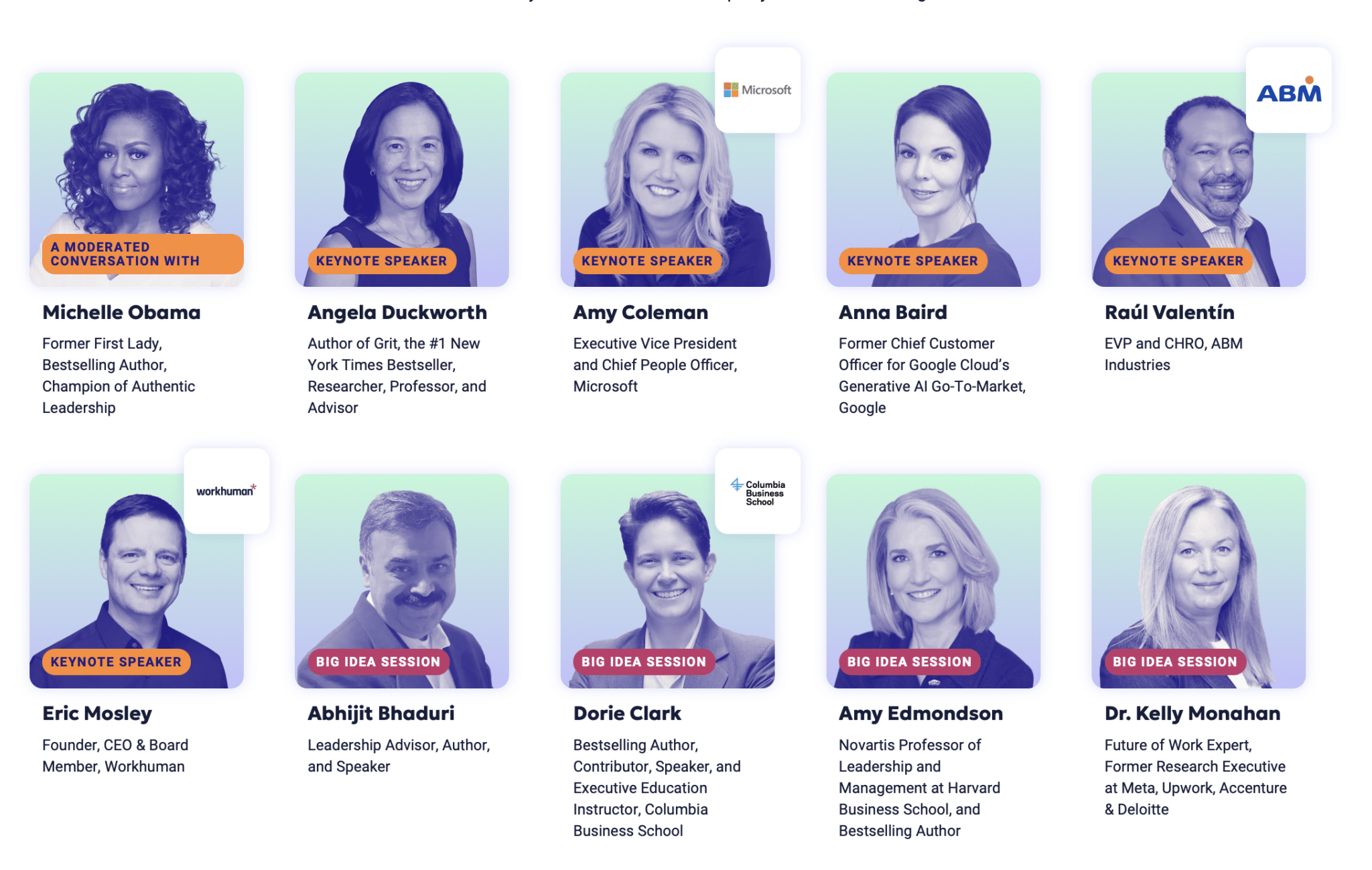
I’ll be talking about this at @Workhuman Live in Orlando (April 27-30) – how to reinvent talent management when AI changes what “work” even means.
If you’re in HR or people leadership, this is the conversation to be in.
🔗 Grab your spot at workhumanlive.com
Use code ABHADURI20 to get 20% off.
♻️ Repost if you believe work should be designed around what humans do best – not what machines do faster.