
Understand your own neural default. Under stress, which brain layer dominates? Are you a fast reactor (amygdala-driven) or a careful deliberator (cortex-driven)? This shapes how you handle crisis, feedback, and conflict.
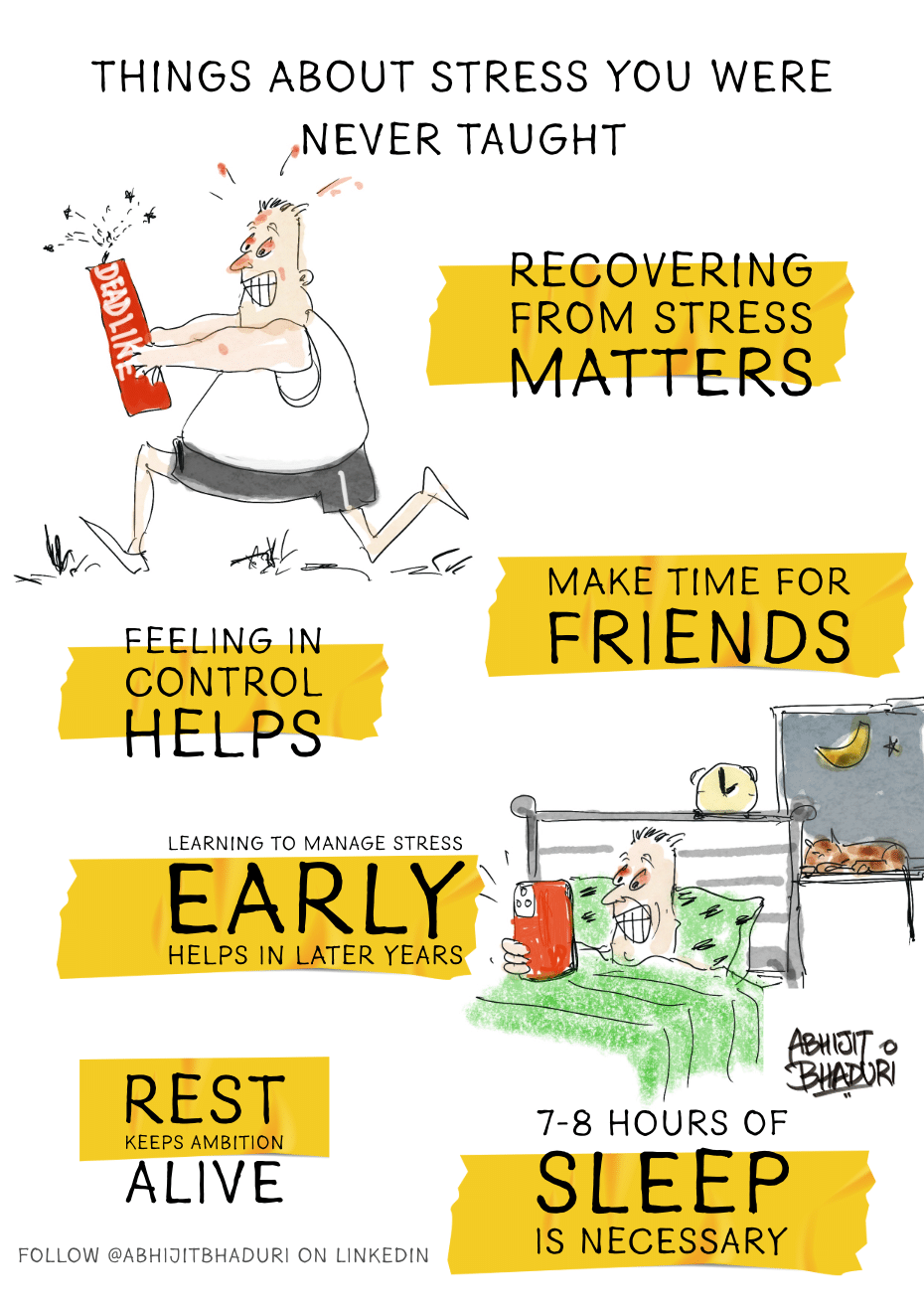
We were taught the Pythagorean theorem, but nobody handed us the operating manual for handling a panic attack at 2:00 PM on a Tuesday.
Here are some biological and psychological truths about stress management that your textbooks omitted, and delivered with zero corporate buzzwords.
The Science of Stress Management: Why Your Brain Loves Feeling in Control
When a major project hits your desk, your brain’s amygdala reacts as if a saber-toothed tiger just walked into your open-plan office. The secret to disarming this evolutionary alarm system isn’t pretending everything is fine. It needs to be in control.
Research in behavioral economics and neurobiology shows that human perception of control dramatically lowers cortisol levels. When you feel in control, your brain transitions from “fight or flight” to “plan and execute”.
Understanding the Amygdala Hijack in the Workplace
When a colleague “loses it” in a meeting or makes a reckless, impulsive decision, their amygdala has effectively hijacked their prefrontal cortex. This isn’t a moral failure or a character flaw—it’s pure neurobiology. Shaming them only heightens the threat response; instead, focus on rebuilding neural pathways through psychological safety.
To build an environment where brains actually function, decision-making processes must account for neural reality:
- Structure high-pressure decisions: High-stakes, time-limited pressures instantly trigger amygdala activation. Building in reflection time, psychological safety, and clear, objective criteria forces the brain to pivot back to cortical reasoning.
- Recognize trust as a neurobiological state: Individuals with chronically activated amygdalas—whether from past organizational trauma, discrimination, or persistent workplace instability—will naturally default to self-protection. You cannot “logic” someone out of a biological threat response; you have to gradually retrain the amygdala through consistent, predictable, safe experiences.
Re-Engineering HR and Talent Systems for Neural Reality
Traditional HR practices often treat employees like rational input-output processors. In reality, organizational stress (uncertainty, tight deadlines, structural instability) keeps amygdalas firing across the workforce. This system-level threat state tanks creativity, destroys cross-functional collaboration, and drives defensive, tribal thinking. Systemic stress management isn’t just a wellness perk—it’s baseline organizational architecture.
1. High-Stress Interviews Measure Reactivity, Not Competence
Interviews conducted under intense pressure flood candidates’ brains with stress hormones. When their amygdalas take over, candidates perform worse and behave less like their true selves. High-stress interview formats don’t measure capability or competence—they simply measure amygdala reactivity.
2. Feedback Delivery Is Threat-Detection
Most performance feedback systems fail because they treat feedback as a rational exchange of information. In truth, receiving critical feedback immediately triggers threat-detection centers in the brain. If delivery bypasses psychological safety, the brain enters survival mode, and learning completely shuts down.
3. Stress Management Hacks
- Recover like an elite athlete: Stress without recovery isn’t ambition; it’s just biology catching up with you. You cannot out-hustle a nervous system that hasn’t shut down since 2019.
- Phone a friend (literally): Social connection triggers oxytocin, the natural neurochemical buffer against stress. Making time for friends isn’t an elective activity—it’s basic operational maintenance.
- Build early habits: Learning to manage pressure early in your career builds neurological resilience that pays massive dividends in your later years. Think of it as compound interest for your sanity.
Rest Keeps Ambition Alive
There is a bizarre cultural myth that sleeping less equals working harder. In reality, sleeping 4 hours a night to “grind” is the corporate equivalent of driving a sports car with no oil and expecting a victory lap.
According to a 2023 meta-analysis published in Sleep Medicine Reviews examining over 150,000 participants across 45 studies, chronic sleep deprivation increases the risk of burnout by 74% and degrades executive functioning and emotional regulation by 40%.
Getting 7 to 8 hours of sleep isn’t a luxury. It’s a biological non-negotiable. Rest doesn’t kill ambition; rest keeps ambition alive so you don’t burn out before reaching the finish line.
Put down the deadline bomb, step away from the glowing screen in bed, and give your brain the recovery time it actually needs.