
Power isn’t a personality trait reserved for the bold and the loud. It’s a skill. A learnable, practicable, improvable skill. And the people who refuse to learn it don’t become more virtuous for it. They just become invisible.
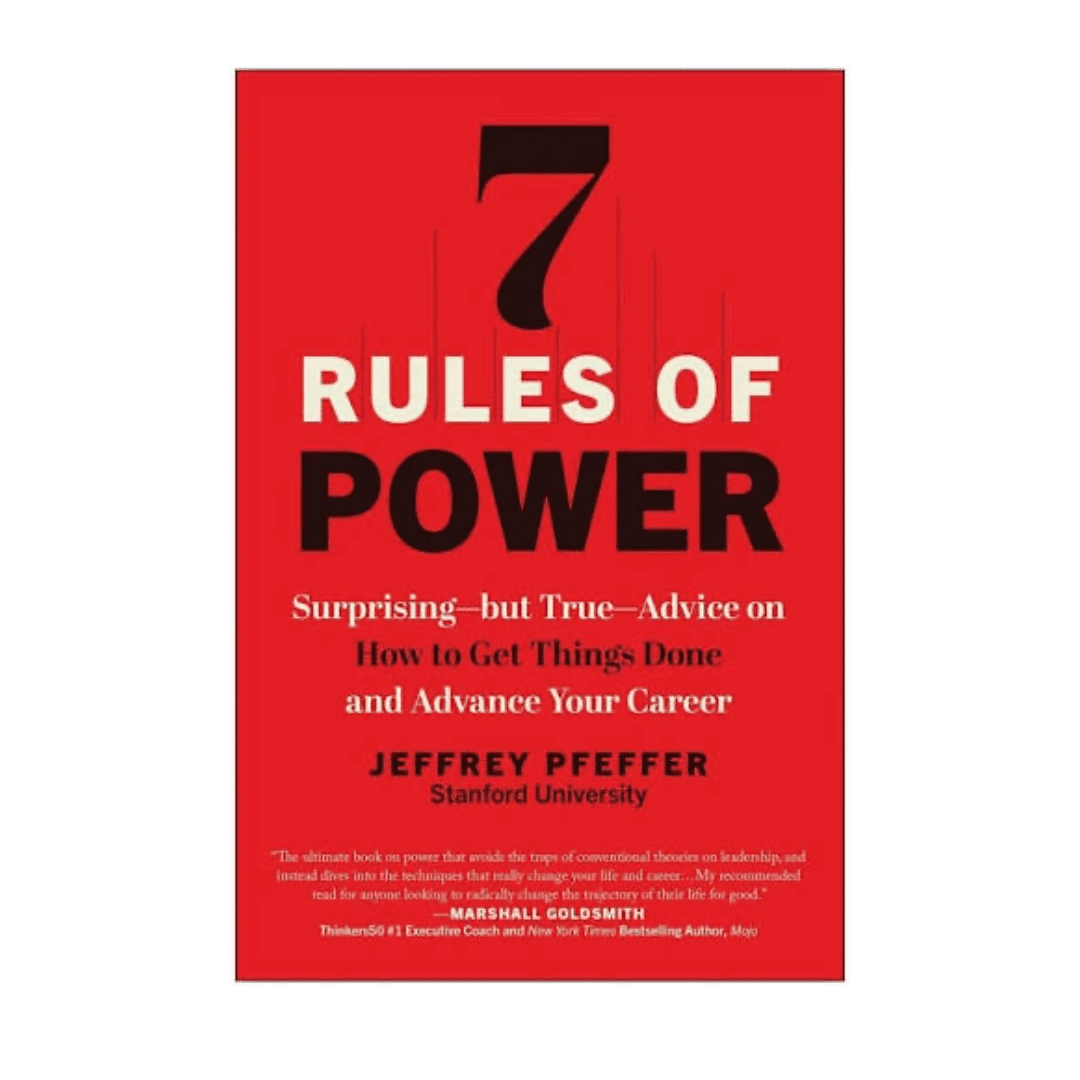
Jeffrey Pfeffer has been teaching power at Stanford Business School since 1979.
When I sat down with him, I asked the question everyone is too polite to ask:
“If power matters so much — why does everyone pretend they don’t want it?”
His answer was instant. We’re raised to believe the world is fair. Work hard. Stay humble. Good things will follow.
Except they don’t. Not automatically. Not at work.
“We’re raised to believe the world is fair. Work hard. Stay humble. Good things will follow.
Jeffry Pfeffer
Except they don’t. Not automatically. Not at work.”
The 90/10 Rule That Changes Everything
Then he shared one statistic that stopped me cold.
When people form an impression of you, here’s how the weight breaks down:
- 50% — How you look. Body language. Posture. Physical presence.
- 40% — How you sound. Tone. Pace. Confidence in your voice.
- 10% — What you actually say.
We spend our entire careers perfecting the 10%.
Pfeffer’s point isn’t that content doesn’t matter. It’s that most people completely ignore the 90% that determines whether their content even lands.
Steve Jobs could barely hold a room when he started. The version of Jobs who later sold a vision to thousands — same person, learned skill. Power is not a birthright. It’s a practice.
Jeffrey Pfeffer’s 7 Rules of Power — Explained Simply
Rule 1 — Get Out of Your Own Way
“Don’t reject yourself before others do.”
The biggest career obstacle most professionals face isn’t a bad boss, a broken system, or bad luck.
It’s themselves.
Waiting to be “discovered.” Thinking merit alone is enough. Downplaying wins. Letting imposter syndrome do the rejection work before anyone else even gets a chance.
Start: Own your accomplishments out loud. Ask for the opportunity. Act confident before you feel it.
Stop: Hiding your work. Over-qualifying everything you say.
Rule 2 — Break the Rules
“Question assumptions others just accept.”
Most people follow the map. Powerful people ask: why does this map even exist?
Every workplace has unwritten rules that nobody has questioned in years. The 10-year timeline to visibility. The “pay your dues” culture. The assumption that waiting is professional.
Ask: Is this rule real — or just tradition?
Then find the shortcut others assumed didn’t exist.
Rule 3 — Appear Powerful
“People believe what you signal.”
Perception isn’t a vanity project. It’s data. People make judgments about your competence, confidence, and capability within seconds — often before you’ve said a word.
Notice the difference:
❌ “Sorry, this might be a stupid idea, but…”
✅ “Here’s my perspective.”
Same idea. Completely different signal. Train the 90%.
Rule 4 — Build a Personal Brand People Can Describe
“If nobody can describe you, nobody remembers you.”
You don’t need to be famous. You need to be known for something specific in the rooms that matter.
What’s your one expertise? Your one story? Your one distinctive edge?
Generic professionals are forgettable. A clear personal brand is leverage.
Rule 5 — Network Relentlessly (Before You Need It)
“Your network is your leverage.”
Most jobs, promotions, and opportunities don’t come from job boards. They travel through relationships — upward, sideways, and across industries.
The mistake: people network only when they need something. By then, it’s transactional and obvious.
Build the relationships now. Before the ask exists.
Rule 6 — Use Your Power
“Power grows when exercised.”
Many people earn influence — then become terrified to use it. They hedge. They soften. They wait for the “right moment.”
Power that sits unused doesn’t stay. It fades.
Make decisions. Take positions. Advocate for something. Influence is a muscle — exercise it.
Rule 7 — Success Excuses (Almost) Everything
“Success rewrites history.”
This one is uncomfortable — but Pfeffer is unflinching about it.
Before success: “reckless,” “too ambitious,” “not a team player.”
After success: “visionary,” “bold,” “a leader before their time.”
It’s not morally ideal. But it’s empirically common. Results change how the story gets told.
The Mentor vs. Sponsor Distinction That Could Change Your Career
Here’s the line from the conversation that hit hardest:
You don’t need more mentors. You need sponsors.
Mentors give advice.
Sponsors give promotions.
A mentor says: “Here’s what I would do.”
A sponsor says: “I want you on this project. I’m putting my name behind yours.”
Advice is cheap. Access is valuable. Find people who will act on your behalf — not just counsel from a safe distance.
The Real Lesson
Power isn’t about becoming someone else. It’s about stop apologizing for being who you already are.
45 minutes with Jeffrey Pfeffer reminded me: the game has rules. You can pretend the game doesn’t exist or you can learn to play it well, on your own terms.