
Alfred Hitchcock was called the Master of Suspense. His films felt like carefully wired circuits where tension flows at unexpected moments. The master of suspense showcased his hunar that came from the strange, specific imprint of his life that he brought into his films.
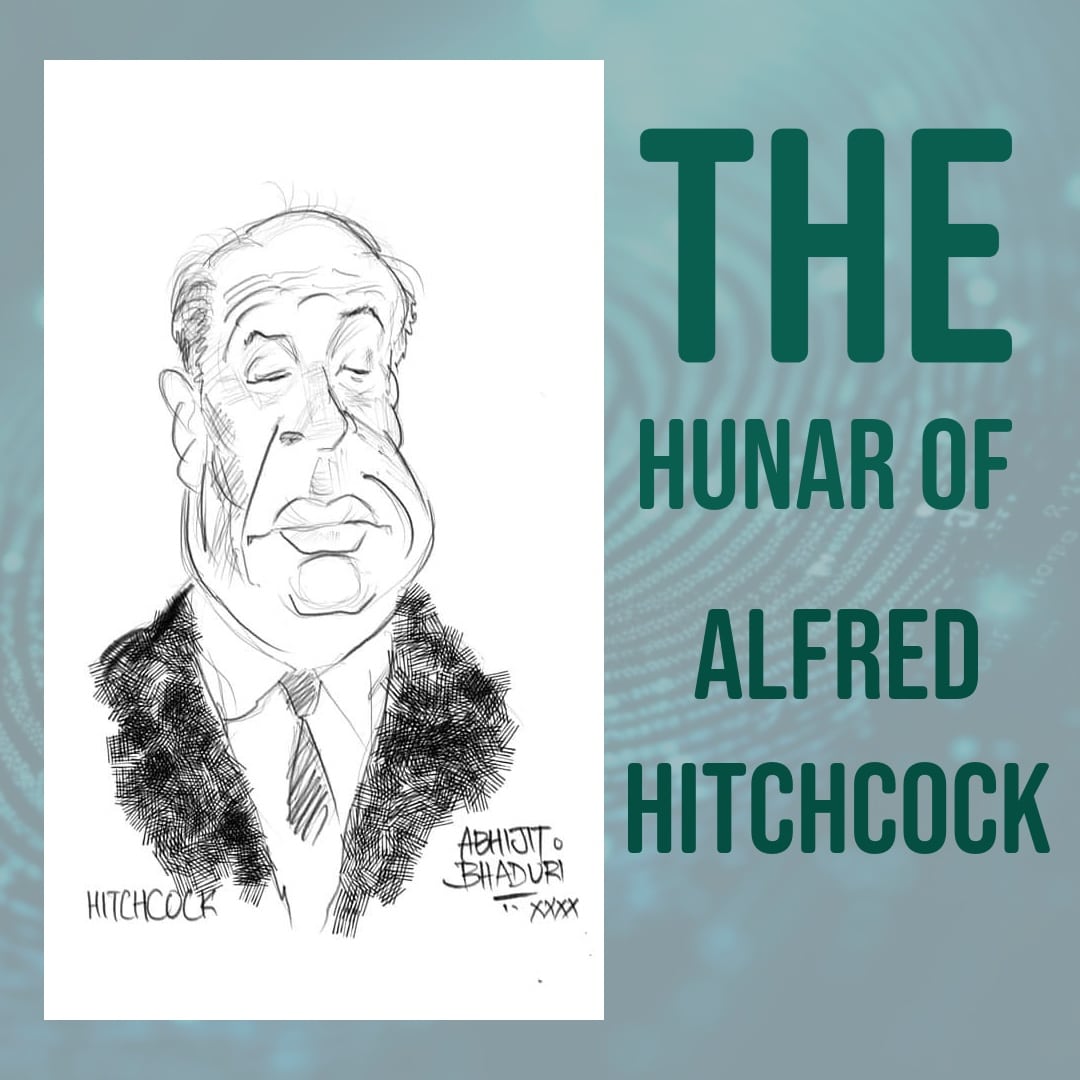
Talent gives you a head start. Skill gives you competence. Hunar gives you a signature.
As a child, Hitchcock’s father once had him locked in a jail cell for a few minutes as punishment. That moment never left him. It shows up decades later in films like The Wrong Man and North by Northwest, where innocent people are trapped by systems of authority. This is the first clue to Hunar. It is not learned technique. It is lived experience, repurposed.
He started in silent film designing title cards. No dialogue. No shortcuts. Just visuals. That is why the shower scene in Psycho works without ever showing the knife entering flesh. Seventy camera angles. Forty five seconds. Pure suggestion. Skill executes. Hunar decides what not to show.
Alfred Hitchcock’s hunar was shaped by his own fears
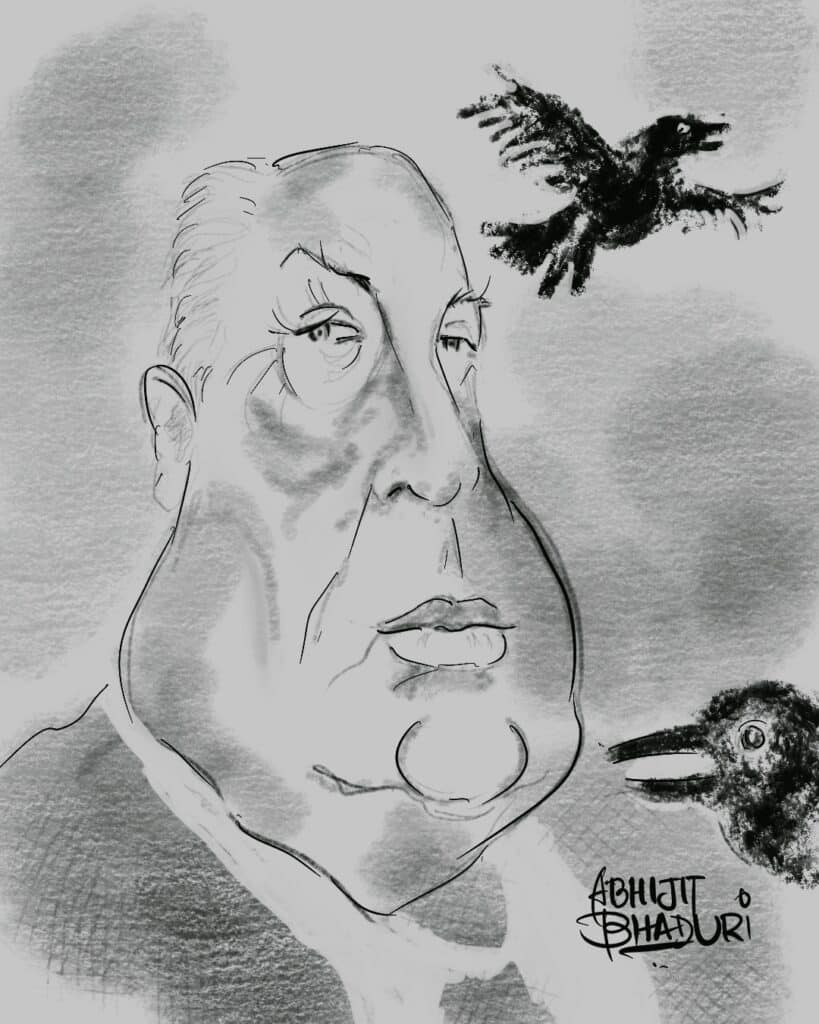
Hitchcock designed his identity rooted in what only he could bring.
He made cameos in nearly every one of his films. Thirty nine in total. Not as ego, but as a quiet signature. A reminder that the creator is always present in the work. Several other directors copied this, but it seemed gimmicky.
He was famously afraid of eggs. He called them disgusting. That discomfort with the ordinary shows up in how he made everyday settings feel unsettling. A staircase. A glass of milk. A flock of birds. In The Birds, he removed music entirely and replaced it with electronic sounds. The absence of a score becomes the tension. Anyone who has seen crows will start wondering if the crow sitting outside the kitchen window is planning an attack.
Hitchcock also believed actors should fit into his vision precisely. He once described them as cattle, which sounds harsh until you understand the context. He had already constructed every frame in his mind before shooting began. The film was finished in his head. What looks like control is actually clarity shaped by experience.
Mystery or Suspense – The Difference
“The big difference between suspense and shock or surprise is that in order to get suspense, you provide the audience with a certain amount of information and leave the rest of it to their own imagination.”
From skill to hunar
Anyone today can learn camera angles, pacing, and editing. In fact, AI can already replicate much of that. Give it enough data and it can produce a technically solid thriller.
But it cannot recreate Hitchcock’s particular fear of authority. It cannot invent the emotional memory behind it.
Consider Rope, where he experimented with making an entire film look like a single continuous shot, pushing against the limits of film reels at the time. Or Rear Window, shot entirely from one apartment, turning the audience into voyeurs. Or Vertigo, initially dismissed, now considered one of the greatest films ever made. These are not just creative risks. They are expressions of a point of view shaped over time.
One of his most famous ideas explains everything. “There is no terror in the bang, only in the anticipation of it.” That line is not just about filmmaking. It is about how he saw the world.Hunar is that worldview. It is the accumulation of fears, curiosities, obsessions, failures, and experiments that shape how you solve problems.
Think of it like a golf ball rolling across a field. If it follows the same path as every other ball, it disappears into the same hole. Fitting in makes you invisible. Hunar changes the terrain.
Hitchcock did not try to be the best director. He became the only Hitchcock.
AI can steal your skills. It can never steal your HUNAR.