
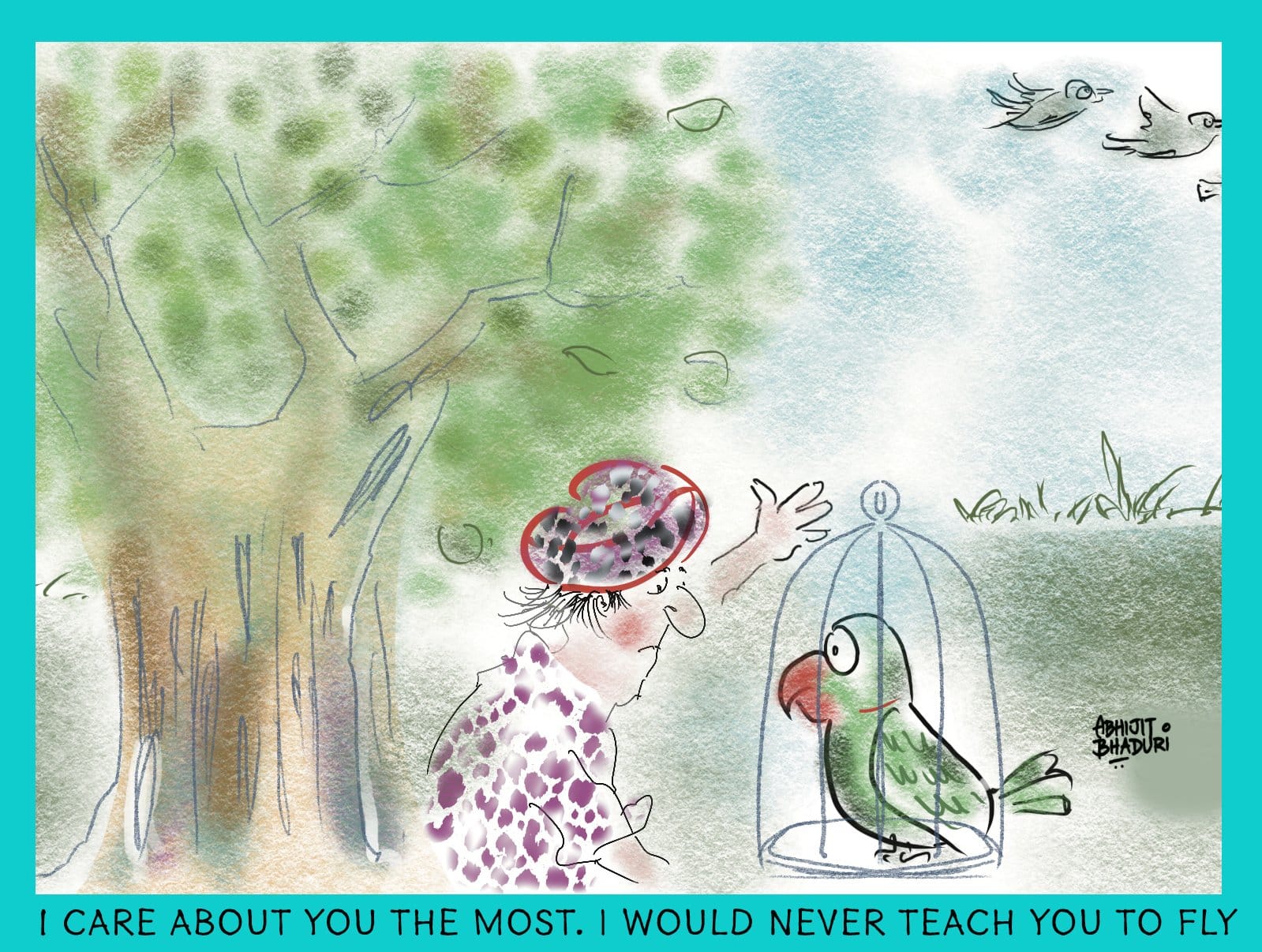
If your employer has not helped you to be ready for your next role, it is a warning sign.
Killing you softly with no development
The absence of professional development isn’t just a minor inconvenience—it’s a critical warning sign that your employer views talent as a commodity rather than an investment. Recent studies paint a concerning picture of this widespread issue and its implications for career growth.
According to LinkedIn’s 2023 Workplace Learning Report, 94% of employees would stay longer at a company that invests in their career development. Yet, paradoxically, only 29% of employees report being “very satisfied” with their current career advancement opportunities. This disconnect reveals a troubling gap between employee aspirations and workplace realities.
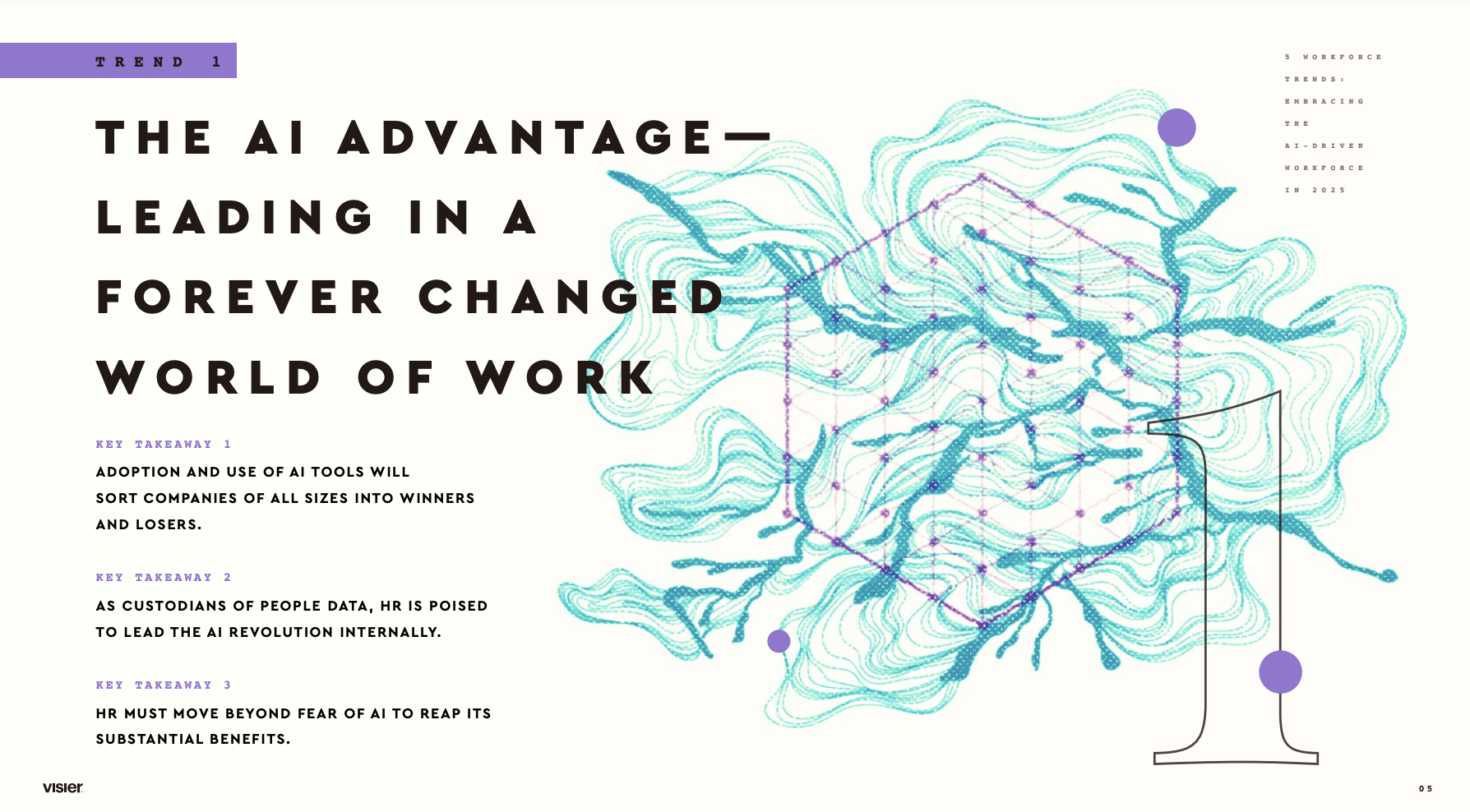
Source: 5 WORKFORCE TRENDS FOR 2025
Skills learned today may be obsolete within 30 months
The cost of skill stagnation is stark. The World Economic Forum’s Future of Jobs Report indicates that 50% of all employees will need reskilling by 2025 due to technological adoption. In the tech sector alone, the half-life of professional skills has dropped to just 2.5 years, meaning skills learned today may be obsolete within 30 months.
Financial implications are equally concerning. Salary data from PayScale shows that employees who remain skill-static for more than two years earn, on average, 15-20% less than their continuously upskilling peers when switching jobs. This wage gap compounds over time, creating a significant lifetime earnings differential.
Moreover, a Gallup study found that companies that made a strategic investment in employee development reported 11% greater profitability and twice the rate of employee retention compared to organizations that didn’t. Despite these clear benefits, many employers continue to underinvest in their workforce.
For employees, the message is clear: if your workplace hasn’t provided meaningful learning opportunities in the past 12 months, you’re likely falling behind in marketability. The modern career ladder requires continuous skill enhancement—whether through formal training, mentorship programs, or challenging project assignments.
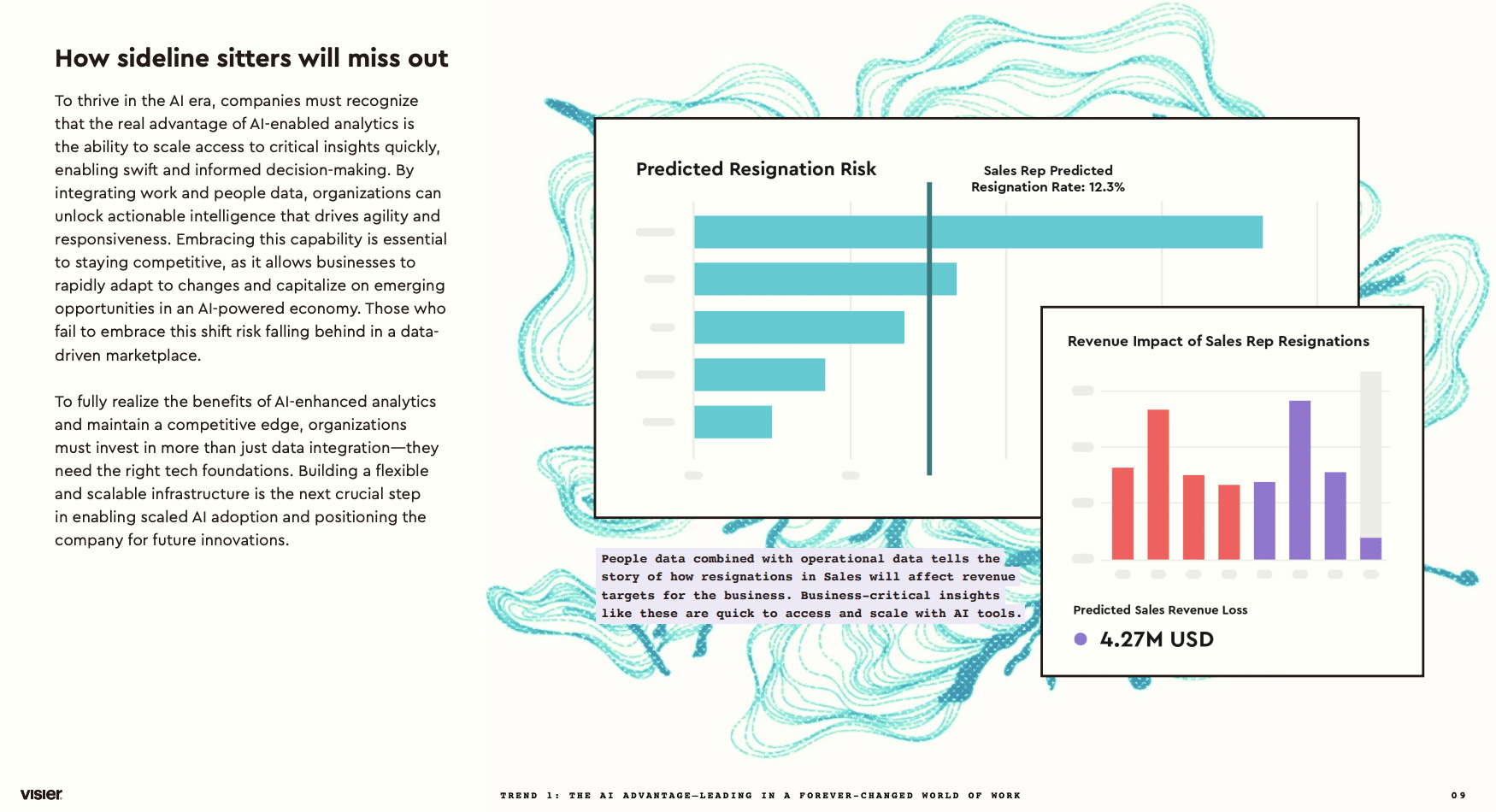
Is your employer helping you to be employable?
Don’t mistake comfortable stability for career security. In an era where artificial intelligence and automation are reshaping entire industries, professional development isn’t optional—it’s survival. If your employer isn’t investing in your growth, they’re inadvertently investing in your obsolescence.
Remember: Your skills are your career currency. Don’t let them depreciate through neglect.
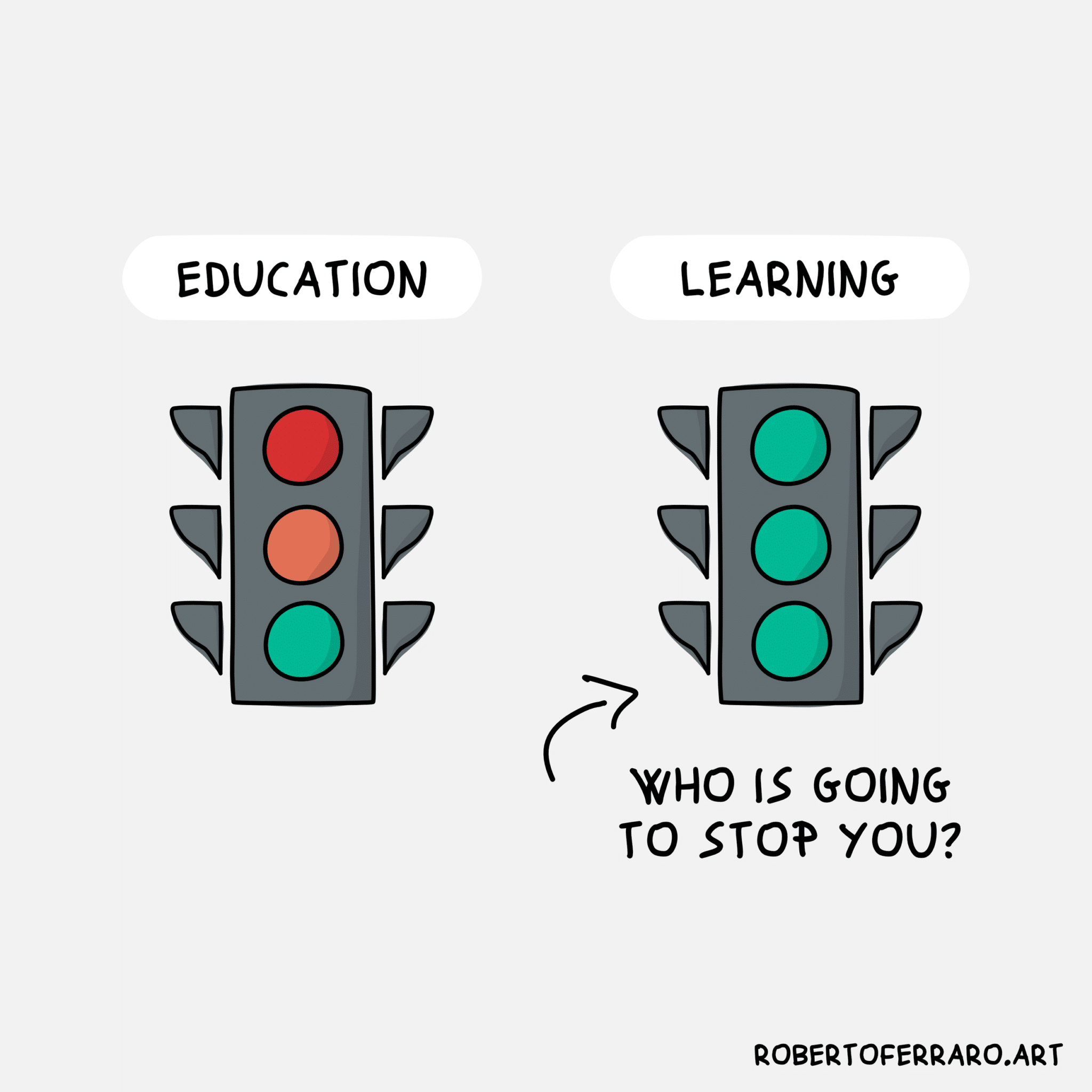
Roberto has a way of simplifying complex ideas. I loved this one.
Read more: 5 AI workforce trends by Vizier